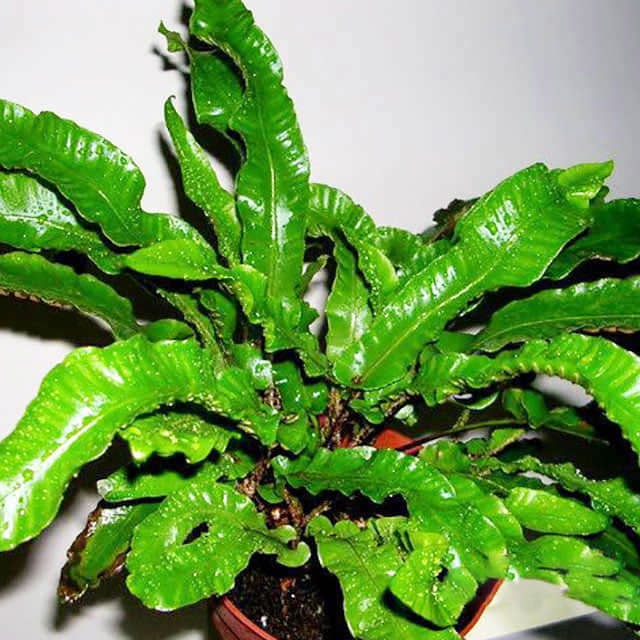
Asplenium scolopendrium Drooping Leaves
eco Drooping Leaves

Asplenium scolopendrium – Drooping Leaves

Why does your Asplenium scolopendrium have drooping leaves? Diagnose the cause and fix it with our step-by-step guide.

pets Pet Friendly

search Possible Causes

error

Underwatering and Low Humidity

Hart's-tongue ferns thrive in consistently moist environments; dry substrate or low ambient humidity causes the fleshy fronds to lose turgor pressure, resulting in drooping.

Very Common
lightbulb
How to confirm: Check if the soil feels bone-dry to the touch or if the tips of the fronds are turning crispy and brown.
build How to fix it
shopping_cart Recommended Products
1 Immediately check the soil moisture level using a moisture meter to determine the depth of dehydration.
2 Thoroughly water the plant until water drains from the bottom, ensuring the substrate is fully saturated.
3 Increase ambient humidity around the fern by using a pebble tray or a fine misting spray bottle to prevent further frond drooping.
error

Root Rot (Overwatering)

While they like moisture, stagnant water in the pot deprives the roots of oxygen, causing them to decay and lose the ability to transport water to the fronds.

Very Common
lightbulb
How to confirm: Gently lift the plant from its pot to see if the roots are dark, slimy, or emitting a foul odor.
build How to fix it
shopping_cart Recommended Products
1 Immediately remove the plant from its current container and inspect the roots for mushy, dark, or foul-smelling decay.
2 Prune away all dead or rotting roots using sterilized shears and repot the fern in a fresh, well-draining medium like a mix containing perlite to improve aeration.
3 Switch to a pot with superior drainage and use a moisture meter to ensure you only water when the top inch of soil feels dry, preventing future waterlogging.
warning

Temperature Fluctuations or Cold Stress

This species prefers stable, cool-to-moderate temperatures; sudden exposure to cold drafts or temperatures below 10°C (50°F) can cause the plant to wilt.

Common
lightbulb
How to confirm: Verify if the plant is located near a drafty window, door, or air conditioning vent.
build How to fix it
shopping_cart Recommended Products
1 Relocate your fern to a stable environment away from cold drafts, windows, or air conditioning vents to maintain temperatures above 10°C.
2 Monitor the soil moisture closely, as cold stress can disrupt water uptake; use a moisture meter to ensure the soil remains consistently moist but not waterlogged.
3 If the plant shows signs of recovery, apply a diluted liquid seaweed fertilizer to help reduce environmental stress and promote root health.
warning

Light Stress (Sunscorch)

Direct sunlight can overheat the thick, strap-like leaves, causing cellular damage that leads to wilting and eventual bleaching of the green tissue.

Common
lightbulb
How to confirm: Look for pale or bleached patches on the fronds alongside the drooping symptoms.
build How to fix it
shopping_cart Recommended Products
1 Immediately move the fern to a location with bright, indirect light to prevent further cellular damage from direct sun exposure.
2 Monitor the soil moisture levels closely, as sunscorch often coincides with rapid evaporation; use a moisture meter to ensure the substrate remains consistently damp but not waterlogged.
3 If the leaves have become bleached or crispy, prune the damaged tissue using clean, sharp shears to allow the plant to focus energy on new growth.

Other Asplenium scolopendrium problems

Your plant might also be experiencing one of these issues:

local_hospital All symptoms eco All plants with drooping leaves
favorite