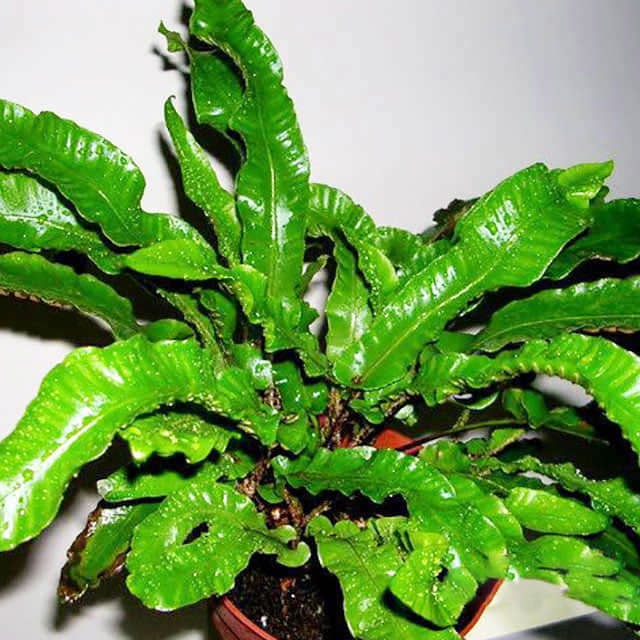
Asplenium scolopendrium Tiny Black Flies
eco Tiny Black Flies

Asplenium scolopendrium – Tiny Black Flies

Why does your Asplenium scolopendrium have tiny black flies? Diagnose the cause and fix it with our step-by-step guide.

pets Pet Friendly

search Possible Causes

error

Fungus Gnats (Sciaridae)

The presence of tiny black flies around the soil surface in a moisture-loving fern like Asplenium scolopendrium usually indicates fungus gnats. Their larvae thrive in the damp, organic-rich substrate that Hart's-tongue ferns require, feeding on decaying organic matter and occasionally fine root hairs.

Very Common
lightbulb
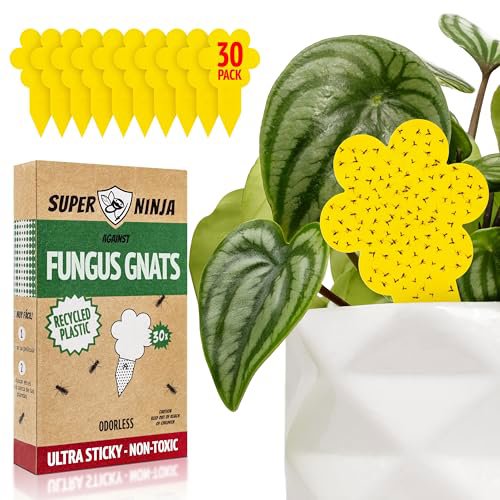
How to confirm: Place a yellow sticky trap near the pot to confirm if small, dark-bodied flies are being attracted to it.
build How to fix it
shopping_cart Recommended Products
1 Deploy yellow sticky traps near the soil surface to capture adult flies and break the breeding cycle.
2 Allow the top inch of soil to dry out more between waterings to make the environment less hospitable for larvae.
3 Apply a biological control or organic insecticide to target the larvae living in the organic matter.
error

Overwatering and Root Decay

While this fern enjoys humidity, excessively wet soil creates an ideal breeding ground for moisture-dependent insects. Constant saturation can lead to anaerobic conditions, attracting flies that thrive in decomposing organic material.

Very Common
lightbulb
How to confirm: Stick your finger two inches into the soil; if it feels muddy rather than just damp, reduce watering frequency.
build How to fix it
shopping_cart Recommended Products
1 Reduce watering frequency and allow the top inch of soil to dry out completely before watering again to disrupt the fungus gnat life cycle.
2 Repot the fern in a well-draining, airy medium like a mix containing perlite or orchid bark to prevent future soil saturation.
3 Deploy yellow sticky traps to capture the adult flies and prevent further breeding in the soil.
warning

Saprophytic Life Cycle in Organic Matter

If you have recently added fresh compost or bark to the fern's pot, the flies may be attracted to the newly available decomposing nutrients. The larvae use this organic matter to complete their life cycle, often appearing as a nuisance near the foliage.

Common
lightbulb
How to confirm: Examine the top layer of the potting medium for small, worm-like larvae moving through the substrate.
build How to fix it
shopping_cart Recommended Products
1 Apply a biological control to eliminate the adult flies and larvae by targeting the organic matter where they breed.
2 Reduce moisture in the top layer of the soil and ensure the pot has proper drainage to disrupt the fungus gnat life cycle.
3 Top-dress the soil with a layer of inorganic material like perlite to create a barrier that prevents flies from reaching the decomposing organic matter.

Other Asplenium scolopendrium problems

Your plant might also be experiencing one of these issues:

local_hospital All symptoms eco All plants with tiny black flies
favorite