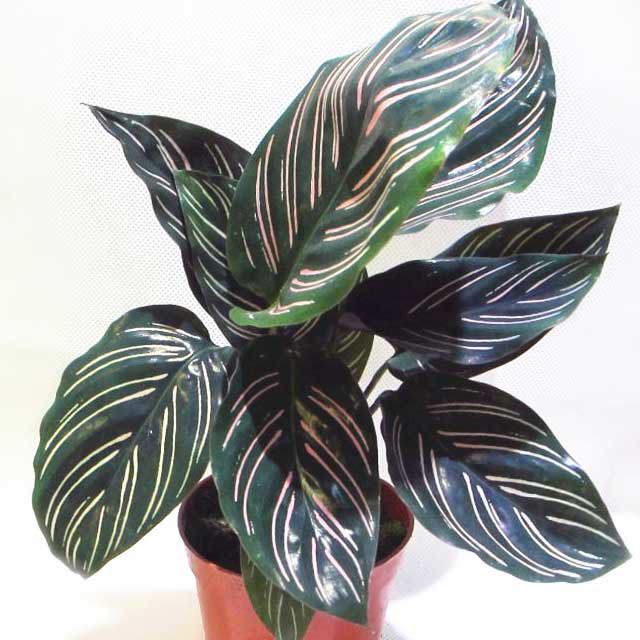
Calathea sanderiana Drooping Leaves
eco Drooping Leaves

Calathea sanderiana – Drooping Leaves

Why does your Calathea sanderiana have drooping leaves? Diagnose the cause and fix it with our step-by-step guide.

pets Pet Friendly

search Possible Causes

error

Underwatering and Low Humidity

Calathea sanderiana is highly sensitive to dry air; low humidity causes the leaves to lose turgor pressure, leading to drooping. If the growing medium has dried out completely, the plant cannot support its large leaf surface area.

Very Common
lightbulb
How to confirm: Check if the soil feels bone-dry several inches below the surface and feel if the surrounding air is particularly dry.
build How to fix it
shopping_cart Recommended Products
1 Immediately check the soil moisture level and water the plant thoroughly until water drains from the bottom of the pot.
2 Increase local humidity around the plant by using a pebble tray or a fine misting spray bottle to prevent further leaf curling and drooping.
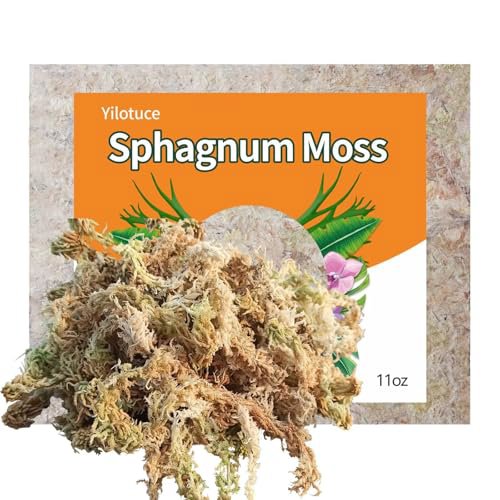
3 Ensure the plant is in a pot with proper drainage and consider adding a layer of sphagnum moss to the top of the soil to help retain moisture.
error

Root Rot due to Overwatering

Excessive moisture in the substrate deprives roots of oxygen, causing them to decay. Damaged roots can no longer transport water upward, resulting in wilted or drooping foliage despite wet soil.

Very Common
lightbulb
How to confirm: Gently lift the plant from its pot to inspect if the roots are brown and slimy instead of firm and white.
build How to fix it
shopping_cart Recommended Products
1 Immediately remove the plant from its current pot and trim away any mushy, black, or foul-smelling roots to stop the spread of decay.
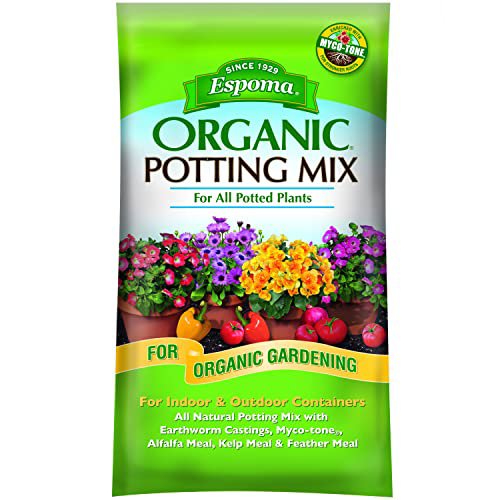
2 Repot the Calathea in a fresh, well-draining substrate enriched with perlite to ensure maximum aeration and prevent future waterlogging.
3 Use a moisture meter to monitor the soil regularly, ensuring you only water when the top inch of soil is dry to avoid repeating the overwatering cycle.
warning

Temperature Shock or Drafts

These tropical plants require consistent warmth; exposure to cold drafts from air conditioners or windows can cause rapid physiological stress. This thermal stress disrupts cellular function, leading to immediate drooping.

Common
lightbulb
How to confirm: Observe if the plant is positioned near a vent, window, or an uninsulated exterior wall.
build How to fix it
shopping_cart Recommended Products
1 Relocate the plant to a warm, stable area away from air conditioning vents, drafty windows, or heating elements to prevent further thermal stress.
2 Increase local humidity around the plant using a fine misting tool to help the plant recover from environmental stress.
3 Monitor the soil moisture levels closely to ensure the plant is not also experiencing water stress during this recovery period.
warning

Salt Accumulation (Mineral Burn)

Calatheas are sensitive to fluoride and salts found in tap water. Over time, these minerals build up in the soil, damaging root hairs and preventing efficient water uptake, which manifests as drooping.

Common
lightbulb
How to confirm: Look for brown, crispy edges on the leaf margins in addition to the drooping habit.
build How to fix it
shopping_cart Recommended Products
1 Flush the soil thoroughly with distilled or rainwater to leach out accumulated mineral salts and fluoride.
2 Repot the plant in fresh, high-quality potting soil to remove the contaminated medium and provide a clean environment for root recovery.
3 Monitor the soil moisture levels closely using a moisture meter to ensure you are watering only when the top inch of soil is dry, preventing further stress.

Other Calathea sanderiana problems

Your plant might also be experiencing one of these issues:

local_hospital All symptoms eco All plants with drooping leaves
favorite