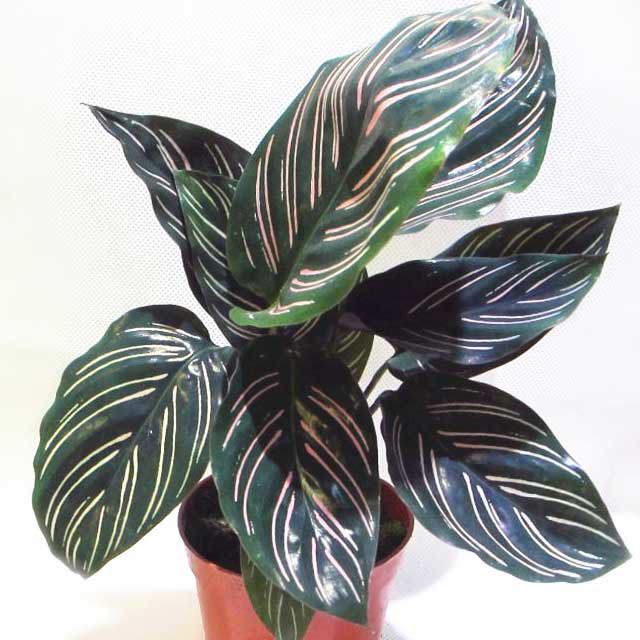
Why does your Calathea sanderiana have tiny black flies? Diagnose the cause and fix it with our step-by-step guide.
Pet FriendlyThe presence of tiny black flies in Calathea sanderiana is most often caused by fungus gnats, whose larvae live in the top layers of damp soil feeding on organic matter and fungal mycelium. These pests thrive in the consistently moist environment required by prayer plants.
While not a direct cause of the flies, overly wet soil provides the ideal breeding ground for fungus gnat larvae. For Calathea sanderiana, which prefers humidity but needs well-draining substrate, soggy soil accelerates pest outbreaks.
Old, decaying leaves or uncomposted bark in the Calathea's potting mix can attract flies looking for a place to lay eggs. The high organic content preferred by tropical species provides an abundant food source for larvae.
Your plant might also be experiencing one of these issues:

 English
 Italiano