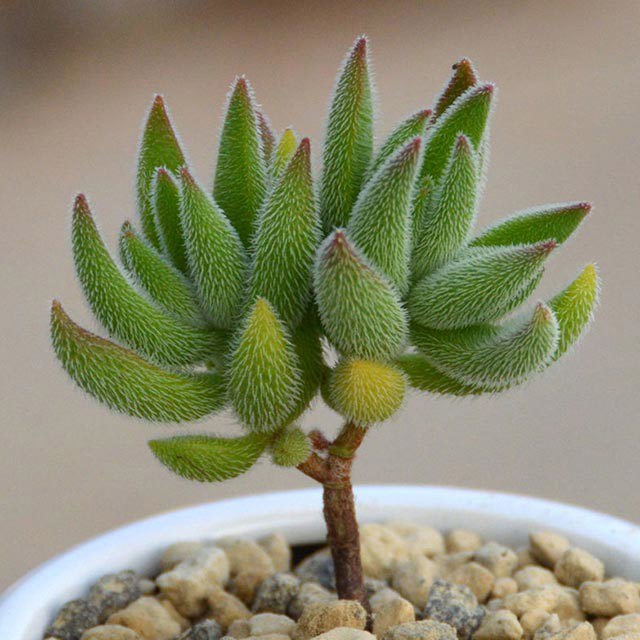
Crassula mesembrianthoides subsp. hispida Drooping Leaves
eco Drooping Leaves

Crassula mesembrianthoides subsp. hispida – Drooping Leaves

Why does your Crassula mesembrianthoides subsp. hispida have drooping leaves? Diagnose the cause and fix it with our step-by-step guide.

search Possible Causes

error

Root Rot (Overwatering)

As a succulent, this species is highly susceptible to fungal pathogens like Phytophthora when the substrate remains saturated. Excessive moisture suffocates the roots, preventing the plant from transporting water to the leaves, causing them to lose turgor pressure.

Very Common
lightbulb
How to confirm: Gently tug on a leaf; if it detaches with zero resistance and the base is black or mushy, it is root rot.
build How to fix it
shopping_cart Recommended Products
1 Immediately remove the plant from its current container and discard any mushy, blackened, or foul-smelling roots.
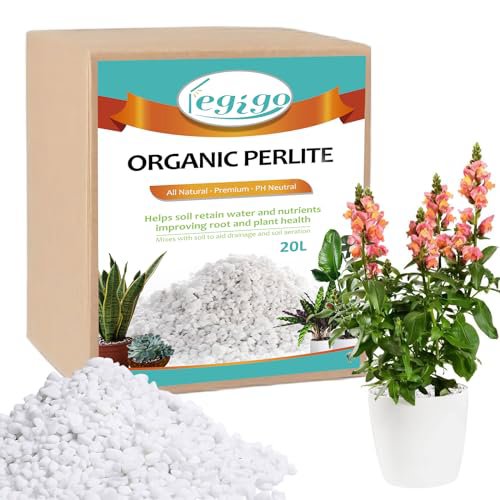
2 Repot the plant in a well-draining, gritty substrate specifically designed for succulents to prevent future saturation.
3 Use a moisture meter to monitor the soil and ensure you only water when the substrate is completely dry to the touch.
error

Dehydration (Underwatering)

In periods of extreme drought, Crassula mesembrianthoides subsp. hispida will intentionally sacrifice leaf turgidity to conserve internal moisture. The leaves appear wrinkled and limp as the plant uses its stored water reserves.

Very Common
lightbulb
How to confirm: Check the substrate depth; if it is bone dry several inches down, the plant requires a thorough soaking.
build How to fix it
shopping_cart Recommended Products
1 Check the soil moisture level immediately using a moisture meter to confirm the depth of dehydration.
2 Thoroughly soak the soil with water, ensuring the medium is fully saturated to replenish the plant's internal water reserves.
3 Ensure the plant is in a well-draining container to prevent the roots from sitting in stagnant water after the rehydration process.
warning

Temperature Stress (Extreme Cold)

This subspecies is not frost-hardy. Exposure to temperatures near or below freezing can damage cell membranes in the fleshy leaves, leading to rapid loss of structural integrity and drooping.

Common
lightbulb
How to confirm: Check if the plant was recently exposed to drafts or nighttime temperatures below 10°C (50°F).
build How to fix it
shopping_cart Recommended Products
1 Immediately move the plant to a warmer, climate-controlled indoor environment to prevent further cell damage from freezing temperatures.
2 Monitor the soil moisture closely using a moisture meter to ensure the plant is not overwatered while in a dormant or stressed state.
3 Avoid applying fertilizer until the plant shows new growth and has fully recovered from the cold stress.
warning

Nutrient Deficiency (Nitrogen)

A lack of available nitrogen prevents the formation of chlorophyll and structural proteins necessary for leaf rigidity. This typically manifests as a general loss of vigor and drooping in new growth.

Common
lightbulb
How to confirm: Observe if the leaves are also turning a pale, yellowish-green color in addition to drooping.
build How to fix it
shopping_cart Recommended Products
1 Apply a nitrogen-rich organic fertilizer to boost chlorophyll production and restore leaf rigidity.
2 Check the soil moisture levels with a meter to ensure the drooping isn't actually caused by underwatering or root rot.
3 Ensure the plant is receiving adequate light, as insufficient light can exacerbate the appearance of nutrient-related weakness.

Other Crassula mesembrianthoides subsp. hispida problems

Your plant might also be experiencing one of these issues:

local_hospital All symptoms eco All plants with drooping leaves
favorite