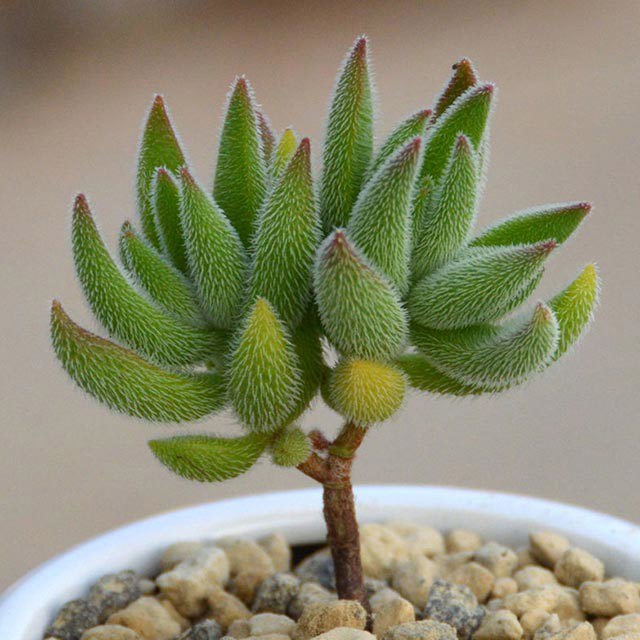
Crassula mesembrianthoides subsp. hispida Sudden Leaf Drop
eco Sudden Leaf Drop

Crassula mesembrianthoides subsp. hispida – Sudden Leaf Drop

Why does your Crassula mesembrianthoides subsp. hispida have sudden leaf drop? Diagnose the cause and fix it with our step-by-step guide.

search Possible Causes

error

Overwatering and Root Rot

As a succulent, this species is highly susceptible to fungal pathogens like Phytophthora if the substrate remains saturated. Excessive moisture causes cell walls in the leaves to rupture and detach from the stem as roots decay.

Very Common
lightbulb
How to confirm: Gently tug on a fallen leaf; if it pulls away easily and the base of the stem feels mushy, rot is likely.
build How to fix it
shopping_cart Recommended Products
1 Immediately remove the plant from its current container and discard any mushy, blackened, or foul-smelling roots.
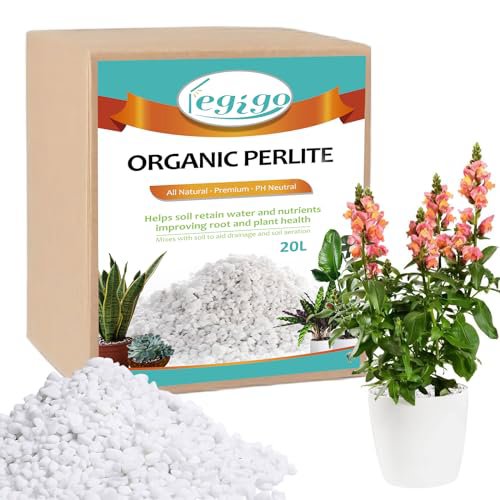
2 Repot the plant in a highly porous, well-draining substrate specifically designed for succulents, such as a mix containing perlite or clay pebbles to prevent future saturation.
3 Use a moisture meter to monitor the soil and ensure you only water when the substrate is completely dry to the touch.
error

Temperature Shock

Sudden drops in temperature, especially near freezing, can cause cellular collapse in Crassula species. This thermal stress triggers a rapid abscission response to shed damaged tissue.

Very Common
lightbulb
How to confirm: Check if the leaf drop coincided with a cold snap or if the plant was placed near a drafty window.
build How to fix it
shopping_cart Recommended Products
1 Immediately move the plant to a stable, draft-free environment with consistent temperatures above 50°F (10°C) to prevent further cellular collapse.
2 Monitor the soil moisture closely using a moisture meter to ensure the plant is not being overwatered while in a stressed, non-photosynthesizing state.
3 Avoid applying any fertilizers or heavy nutrients until you see new growth, as feeding a stressed plant can exacerbate tissue damage.
warning

Hydration Stress (Underwatering)

Extreme dehydration causes the plant to sacrifice older leaves to preserve moisture for the growing tip. This is a survival mechanism to reduce the overall surface area of the succulent.

Common
lightbulb
How to confirm: Check if the remaining leaves feel significantly thinner, wrinkled, or soft to the touch.
build How to fix it
shopping_cart Recommended Products
1 Check the soil moisture level immediately using a moisture meter to confirm the depth of dehydration.
2 Thoroughly soak the soil until water runs out of the drainage holes, ensuring the root ball is fully rehydrated.
3 Ensure the plant is in a well-draining pot with a drainage tray to prevent water from pooling at the base.
warning

Pest Infestation (Mealybugs)

Sap-sucking insects like mealybugs can weaken the plant's vascular system. High infestations cause the plant to drop leaves due to the loss of essential nutrients and fluids.

Common
lightbulb
How to confirm: Inspect the leaf axils and the base of the hairy stems for small, white, cottony clusters.
build How to fix it
shopping_cart Recommended Products
1 Inspect the plant closely for white, cottony clusters in leaf axils and treat the infestation with an organic insecticide spray.
2 Isolate the plant from other greenery to prevent the mealybugs from spreading to your healthy collection.
3 Check the soil moisture levels to ensure the leaf drop isn't also being triggered by overwatering, which often accompanies pest stress.

Other Crassula mesembrianthoides subsp. hispida problems

Your plant might also be experiencing one of these issues:

local_hospital All symptoms eco All plants with sudden leaf drop
favorite