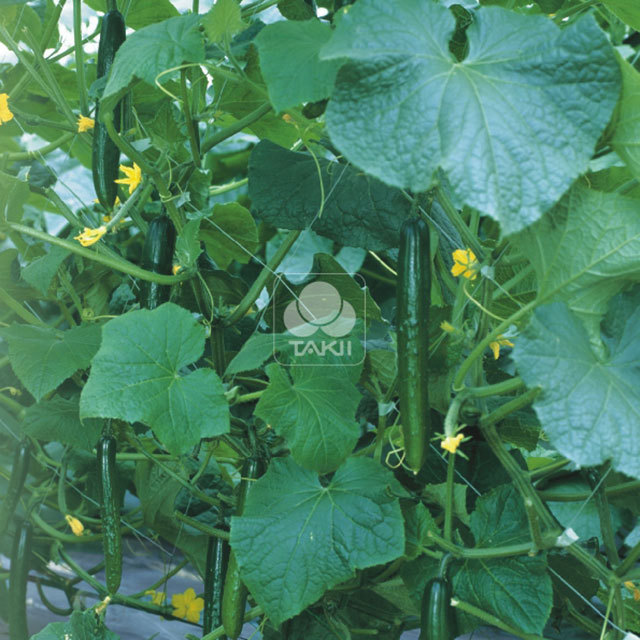
Cucumis sativus Bon Odori F1 Drooping Leaves
eco Drooping Leaves

Cucumis sativus Bon Odori F1 – Drooping Leaves

Why does your Cucumis sativus Bon Odori F1 have drooping leaves? Diagnose the cause and fix it with our step-by-step guide.

pets Pet Friendly

search Possible Causes

error

Water Stress (Underwatering or Drought)

Cucumber plants have high water content and large leaf surface areas, making them highly susceptible to transpiration loss. When soil moisture is insufficient, the plant loses turgor pressure, causing the leaves to wilt or droop.

Very Common
lightbulb
How to confirm: Stick your finger 2 inches into the soil; if it feels bone dry, the plant requires immediate deep watering.
build How to fix it
shopping_cart Recommended Products
1 Immediately check the soil moisture level at the root zone to confirm the severity of the drought.
2 Apply a deep, thorough watering to the base of the plant to restore turgor pressure, ensuring the soil is completely saturated.
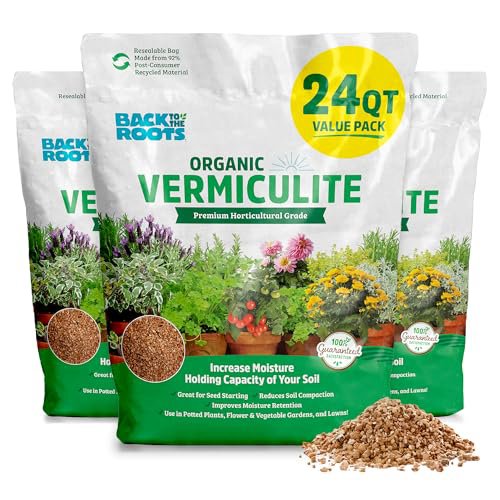
3 Apply a mulch layer or use a moisture-retaining amendment like vermiculite to help the soil hold water longer.
error

Root Rot (Phytophthora or Pythium)

Excessive soil moisture or poor drainage can lead to fungal pathogens attacking the root system of the Bon Odori cucumber. Damaged roots cannot transport water to the foliage, resulting in wilting even when the soil is wet.

Very Common
lightbulb
How to confirm: Gently lift the plant from its container or check near the stem base for mushy, brown, or foul-smelling roots.
build How to fix it
shopping_cart Recommended Products
1 Immediately reduce watering frequency and ensure the plant is in a container with excellent drainage to stop the spread of fungal pathogens.
2 Repot the cucumber in a fresh, well-aerated medium enriched with perlite to improve oxygen levels around the roots and prevent further rot.
3 Apply a fungicide treatment to protect the remaining healthy plant tissue from further infection.
warning

Cucumber Mosaic Virus (CMV)

This virus causes systemic issues in Cucumis sativus, often leading to stunted growth and leaf distortion. The physiological disruption prevents efficient nutrient and water movement, manifesting as drooping or puckered leaves.

Common
lightbulb
How to confirm: Look for other symptoms such as mosaic patterns (mottling), yellowing, or significantly smaller, distorted fruit.
build How to fix it
shopping_cart Recommended Products
1 Remove and destroy all infected cucumber plants immediately to prevent the virus from spreading to healthy plants via insects or contact.
2 Control aphid populations, which are primary vectors for CMV, using an organic insecticide spray.
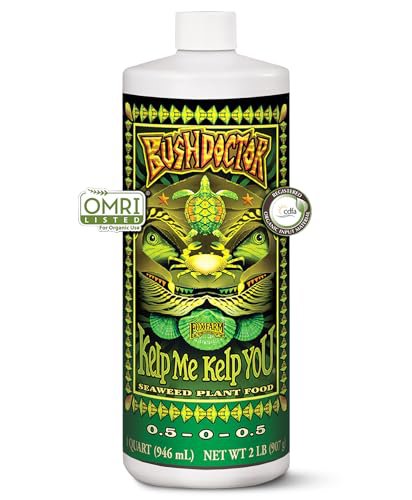
3 Apply a microbial-based liquid fertilizer to help the remaining healthy plants recover from environmental stress and strengthen their root systems.
warning

Heat Stress

During periods of extreme temperature, cucumber plants may close their stomata to conserve moisture. This physiological response often results in temporary drooping during the hottest part of the day to reduce transpiration.

Common
lightbulb
How to confirm: Observe if the leaves recover and perk up during the cooler evening or early morning hours.
build How to fix it
shopping_cart Recommended Products
1 Monitor soil moisture levels closely to ensure the plant isn't actually dehydrated; use a moisture meter to check the root zone.
2 Provide temporary shade during peak afternoon heat to reduce transpiration and help the plant maintain turgor pressure.
3 Apply a liquid seaweed fertilizer to help the plant recover from environmental stress and boost nutrient uptake.

Other Cucumis sativus Bon Odori F1 problems

Your plant might also be experiencing one of these issues:

local_hospital All symptoms eco All plants with drooping leaves
favorite