Cucumis sativus Bon Odori F1 Tiny Black Flies
eco Tiny Black Flies

Cucumis sativus Bon Odori F1 – Tiny Black Flies

Why does your Cucumis sativus Bon Odori F1 have tiny black flies? Diagnose the cause and fix it with our step-by-step guide.

pets Pet Friendly

search Possible Causes

error

Fungus Gnats (Sciarid Flies)

The larvae of these flies live in the upper layers of moist soil and feed on organic matter and fine root hairs of the cucumber plant. Their presence is a strong indicator that the growing medium is excessively damp, which can lead to secondary root rot in Bon Odori varieties.

Very Common
lightbulb
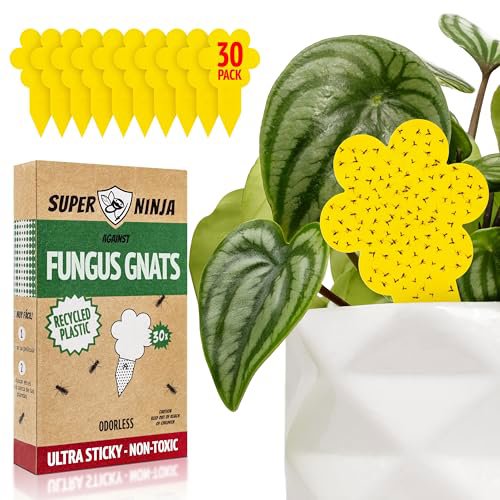
How to confirm: Place a yellow sticky trap near the base of the cucumber plant to confirm adult fly presence.
build How to fix it
shopping_cart Recommended Products
1 Apply a biological control method to eliminate adult flies and larvae; use yellow sticky traps to capture flying adults.
2 Reduce watering frequency to allow the top layer of soil to dry out, as excessive moisture is the primary cause of fungus gnat breeding.
3 Refresh the top layer of the growing medium with a drier substrate like perlite to disrupt the larvae's habitat.
warning

Cucumber Beetle (Striped or Spotted)

Some species of small, dark beetles are attracted to the lush foliage of Cucumis sativus. While adults feed on leaves, they can also introduce bacterial wilt, which is devastating to cucumber cultivars.

Common
lightbulb
How to confirm: Inspect the undersides of the leaves for small, dark insects actively feeding on leaf tissue.
build How to fix it
shopping_cart Recommended Products
1 Apply an organic insecticide to eliminate adult beetles and prevent them from spreading bacterial wilt to the rest of your cucumber plants.
2 Use yellow sticky traps to capture flying adults and monitor the population levels in your cucumber patch.
3 Inspect the leaves for feeding damage and remove any heavily infested foliage to reduce the beetle's breeding ground.
warning

Black Bean Aphids

While typically more sedentary, certain small, dark aphid species can be mistaken for flies from a distance. They cluster on new growth and can cause the leaves of the Bon Odori cucumber to curl or become stunted.

Common
lightbulb
How to confirm: Check the tender new shoots and leaf undersides for tiny, stationary dark clusters.
build How to fix it
shopping_cart Recommended Products
1 Apply an organic insecticide spray to eliminate the aphid population on new growth and stems.
2 Place yellow sticky traps near the plant to capture any flying adults and monitor for further infestations.
3 Inspect the undersides of leaves for clusters of small, dark insects and remove them manually if found.

Other Cucumis sativus Bon Odori F1 problems

Your plant might also be experiencing one of these issues:

local_hospital All symptoms eco All plants with tiny black flies
favorite