Cucumis sativus Bon Odori F1 Yellow Leaves
eco Yellow Leaves

Cucumis sativus Bon Odori F1 – Yellow Leaves

Why does your Cucumis sativus Bon Odori F1 have yellow leaves? Diagnose the cause and fix it with our step-by-step guide.

pets Pet Friendly

search Possible Causes

error

Nitrogen Deficiency

Cucumber plants have a high demand for nitrogen during rapid vegetative growth. A lack of nitrogen causes chlorophyll breakdown, typically appearing first as chlorosis (yellowing) on the older, lower leaves.

Very Common
lightbulb
How to confirm: Check if the yellowing started on the oldest bottom leaves while the new growth remains green.
build How to fix it
shopping_cart Recommended Products
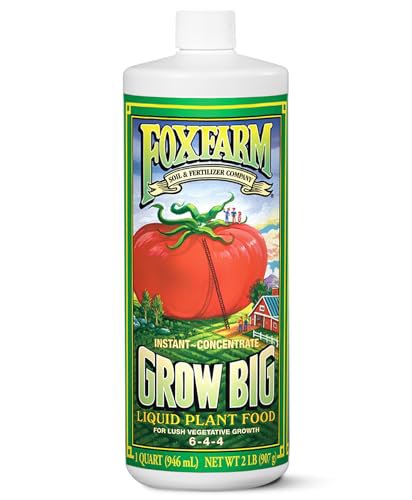
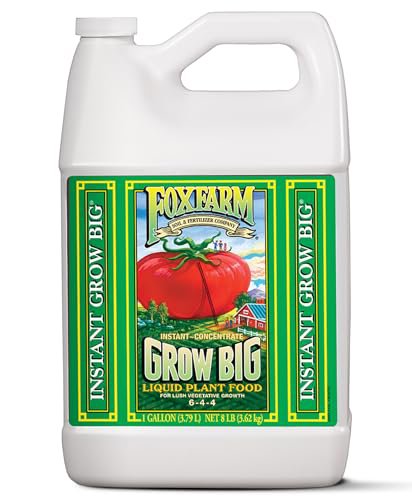
1 Apply a nitrogen-rich liquid fertilizer to provide immediate nutrient uptake for the developing foliage.
2 Supplement the soil with a balanced organic fertilizer to ensure long-term nitrogen availability during the vegetative stage.
3 Monitor soil moisture levels to ensure the plant can effectively absorb the newly applied nutrients.
error

Overwatering and Poor Drainage

Excessive moisture in the substrate deprives cucumber roots of oxygen, leading to root hypoxia. This prevents the plant from transporting nutrients effectively, resulting in overall leaf yellowing.

Very Common
lightbulb
How to confirm: Stick your finger 2 inches into the soil to see if it remains saturated for extended periods.
build How to fix it
shopping_cart Recommended Products
1 Immediately reduce watering frequency and allow the top inch of soil to dry out completely before watering again to prevent further root hypoxia.
2 Repot the cucumber plant into a container with superior drainage, such as a Root & Vessel cylinder pot, and use a well-aerated medium like a mix containing perlite to improve oxygen flow to the roots.
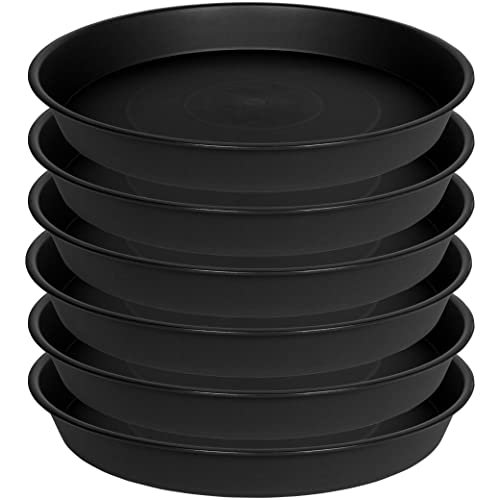
3 Ensure the plant is not sitting in stagnant water by using a drainage saucer to catch excess moisture, and empty it regularly.
warning

Downy Mildaw (Pseudoperonospora cubensis)

This fungal pathogen thrives in high humidity and cool temperatures, causing angular yellow spots on the upper leaf surface. As the disease progresses, the entire leaf may turn yellow and die.

Common
lightbulb
How to confirm: Inspect the underside of the yellow leaves for fuzzy, grayish-purple fungal growth.
build How to fix it
shopping_cart Recommended Products
1 Apply an organic fungicide to control the spread of the pathogen and protect healthy leaf tissue.
2 Prune and remove all heavily infected or yellowing leaves immediately to reduce the fungal spore load in the environment.
3 Improve air circulation around the cucumber plants and avoid overhead watering to keep foliage dry and reduce humidity.
warning

Magnesium Deficiency

Magnesium is a central component of chlorophyll; a deficiency often manifests as interveinal chlorosis (yellowing between green veins) on older leaves in cucumber varieties.

Common
lightbulb
How to confirm: Look for a pattern where the veins remain dark green while the tissue between them turns yellow.
build How to fix it
shopping_cart Recommended Products
1 Apply a magnesium-rich supplement to the soil to quickly restore chlorophyll production and address the interveinal chlorosis.
2 Monitor soil moisture levels using a moisture meter to ensure consistent hydration, as extreme fluctuations can interfere with nutrient uptake.
3 Ensure the plant is receiving adequate nutrition by using a balanced liquid fertilizer to support overall cucumber development.

Other Cucumis sativus Bon Odori F1 problems

Your plant might also be experiencing one of these issues:

local_hospital All symptoms eco All plants with yellow leaves
favorite