Cucurbita pepo TI 126 F1 Drooping Leaves
eco Drooping Leaves

Cucurbita pepo TI 126 F1 – Drooping Leaves

Why does your Cucurbita pepo TI 126 F1 have drooping leaves? Diagnose the cause and fix it with our step-by-step guide.

pets Pet Friendly

search Possible Causes

error

Water Stress (Underwatering)

Zucchini hybrids like Cucurbita pepo have large, thin leaf surface areas that lead to rapid transpiration. When soil moisture is insufficient, the plant loses turgor pressure, causing the leaves to wilt to conserve water.

Very Common
lightbulb
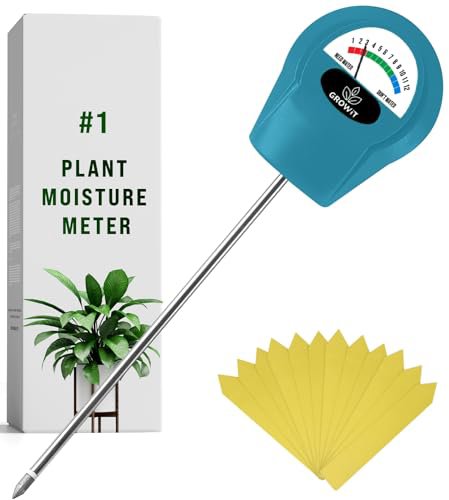
How to confirm: Check the soil moisture 2 inches below the surface; if it is bone dry, the plant needs immediate watering.
build How to fix it
shopping_cart Recommended Products
1 Immediately check the soil moisture level at the root zone to confirm the depth of dehydration.
2 Apply a deep, thorough watering to the base of the plant to restore turgor pressure to the large leaves.
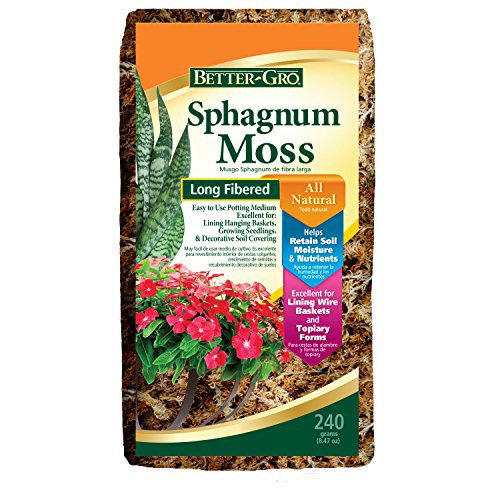
3 Apply a mulch layer around the base of the zucchini to help retain soil moisture and prevent future evaporation.
error

Root Rot (Overwatering/Poor Drainage)

Excessive water in the growing medium deprives roots of oxygen, leading to fungal pathogens like Phytophthora. This prevents the root system from absorbing water, resulting in 'false wilting' where leaves appear limp despite wet soil.

Very Common
lightbulb
How to confirm: Inspect the base of the stem and the roots for any dark, slimy, or foul-smelling decay.
build How to fix it
shopping_cart Recommended Products
1 Immediately reduce watering frequency and allow the top inch of soil to dry out completely before watering again to restore oxygen to the root zone.
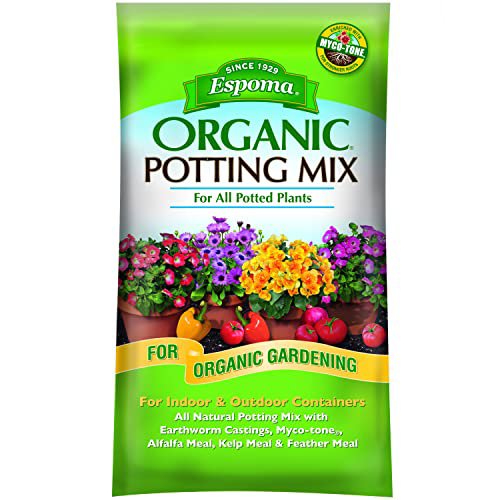
2 Repot the plant into a container with superior drainage and refresh the medium with a highly aerated mix containing perlite to prevent future waterlogging.
3 Inspect the roots for mushy, dark brown decay; prune away any dead tissue and treat the area with a fungicide if fungal pathogens are present.
warning

Fusarium Wilt

This vascular wilt pathogen enters through the roots and clogs the plant's xylem vessels. In Cucurbita pepo, this leads to progressive drooping, often starting on one side of a leaf or one specific side of the plant.

Common
lightbulb
How to confirm: Slice a small piece of the main stem vertically to check for internal brown discoloration in the vascular tissue.
build How to fix it
shopping_cart Recommended Products
1 Immediately remove and destroy the infected plant and any surrounding debris to prevent the pathogen from spreading through the soil to healthy squash plants.
2 Sterilize all gardening tools, such as pruning shears, with alcohol or a bleach solution to avoid mechanical transmission of the fungus.
3 Improve soil health and resistance by incorporating organic matter and ensuring proper drainage to prevent the waterlogged conditions that favor fungal growth.
warning

Extreme Heat Stress

High midday temperatures can exceed the plant's ability to transpire efficiently, causing temporary wilting as a defense mechanism. This usually resolves once temperatures drop in the evening if water is available.

Common
lightbulb
How to confirm: Observe if the drooping occurs only during peak sunlight hours and recovers overnight.
build How to fix it
shopping_cart Recommended Products
1 Monitor soil moisture levels closely to ensure the plant has enough water to support transpiration during heat waves.
2 Provide temporary shade during peak afternoon sun to reduce the plant's temperature and prevent permanent wilting.
3 Apply a liquid seaweed fertilizer to help the plant recover from environmental stress and boost resilience.

Other Cucurbita pepo TI 126 F1 problems

Your plant might also be experiencing one of these issues:

local_hospital All symptoms eco All plants with drooping leaves
favorite