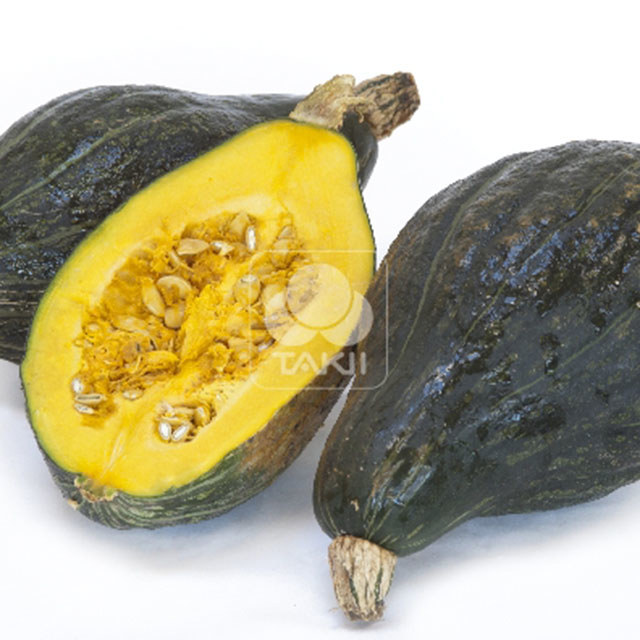
Cucurbita pepo TI 126 F1 Sudden Leaf Drop
eco Sudden Leaf Drop

Cucurbita pepo TI 126 F1 – Sudden Leaf Drop

Why does your Cucurbita pepo TI 126 F1 have sudden leaf drop? Diagnose the cause and fix it with our step-by-step guide.

pets Pet Friendly

search Possible Causes

error

Downy Mildaw (Pseudoperonospora cubensis)

This oomycete pathogen thrives in high humidity and cool temperatures, causing rapid yellowing of leaves followed by necrosis and premature leaf abscission. In zucchini hybrids, the infection can spread through the canopy quickly, leading to sudden defoliation.

Very Common
lightbulb
How to confirm: Inspect the undersides of the leaves for fuzzy, greyish-purple fungal growth near the yellowed spots.
build How to fix it
shopping_cart Recommended Products
1 Apply an organic fungicide to the affected foliage to halt the spread of the pathogen and protect remaining healthy leaves.
2 Prune and remove all infected, necrotic leaves immediately, ensuring you dispose of them away from the garden to prevent further spore dispersal.
3 Improve air circulation around the plant canopy and reduce overhead watering to lower humidity levels, which discourages mildew development.
error

Fusarium Wilt (Fusarium oxysporum f. sp. cucurbitae)

This soil-borne fungus invades the vascular system of the zucchini plant, blocking water and nutrient transport. As the xylem becomes clogged, the plant loses turgor pressure, causing sudden wilting and leaf drop.

Very Common
lightbulb
How to confirm: Cut a small section of the main stem to check if the internal vascular tissue is discolored or brown.
build How to fix it
shopping_cart Recommended Products
1 Immediately remove and destroy the infected plant and any surrounding debris to prevent the soil-borne fungus from spreading to healthy zucchini plants.
2 Sterilize all gardening tools, such as pruning shears, with alcohol or a bleach solution to avoid transferring fungal spores to other plants.
3 Avoid planting cucurbits in the same area for at least 2-3 years and consider amending the soil with organic matter to improve health for future crops.
warning

Water Stress (Extreme Drought or Flooding)

Sudden shifts in soil moisture levels disrupt the physiological stability of Cucurbita pepo. Severe drought causes leaves to drop to conserve water, while waterlogging induces root hypoxia and rapid senescence.

Common
lightbulb
How to confirm: Check the soil moisture several inches below the surface and inspect roots for signs of rot or dehydration.
build How to fix it
shopping_cart Recommended Products
1 Check the soil moisture level immediately using a moisture meter to determine if the plant is suffering from extreme drought or waterlogging.
2 If the soil is bone dry, implement a consistent watering schedule; if the soil is saturated, improve drainage by adding horticultural perlite to the growing medium.
3 Apply a liquid seaweed fertilizer to help the plant recover from environmental stress and boost nutrient uptake.
warning

Bacterial Wilt (Erwinia tracheiphila)

This bacteria enters through wounds or insect punctures and multiplies within the plant's vessels. It causes a characteristic sudden wilting of even healthy-looking leaves, which eventually drop as the tissue dies.

Common
lightbulb
How to confirm: Cut a wilted stem and place it in a clear glass of water to see if a milky bacterial stream emerges.
build How to fix it
shopping_cart Recommended Products
1 Immediately remove and destroy all infected plant material and debris to prevent the bacteria from spreading to healthy plants via wind or water.
2 Control insect vectors like cucumber beetles by applying an organic insecticide to prevent new wounds from forming on healthy foliage.
3 Improve soil drainage and reduce moisture stress by monitoring soil levels with a moisture meter to avoid the waterlogged conditions that favor bacterial spread.

Other Cucurbita pepo TI 126 F1 problems

Your plant might also be experiencing one of these issues:

local_hospital All symptoms eco All plants with sudden leaf drop
favorite