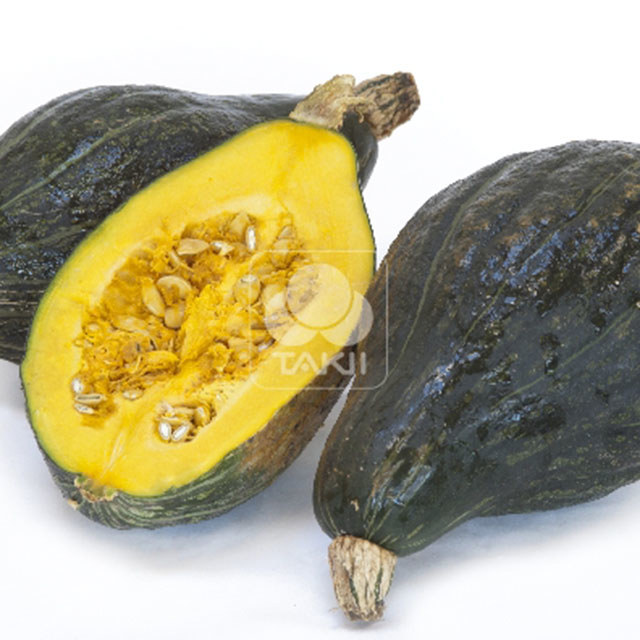
Cucurbita pepo TI 126 F1 White Powder
eco White Powder

Cucurbita pepo TI 126 F1 – White Powder

Why does your Cucurbita pepo TI 126 F1 have white powder? Diagnose the cause and fix it with our step-by-step guide.

pets Pet Friendly

search Possible Causes

error

Powdery Mildew (Podosphaera xanthii)

This is the most common fungal disease in Cucurbita pepo, characterized by white, flour-like patches on leaf surfaces. High humidity and frequent leaf wetting create ideal conditions for spore germination.

Very Common
lightbulb
How to confirm: Inspect the undersides of leaves to see if the white patches are spreading across the leaf veins.
build How to fix it
shopping_cart Recommended Products
1 Apply an organic fungicide to eliminate existing fungal spores and prevent further spread across the squash leaves.
2 Improve air circulation around the plant by pruning heavily infected leaves and avoid overhead watering to keep foliage dry.
3 Monitor soil moisture levels to ensure the plant is not being overwatered, as high humidity exacerbates the disease.
warning

Whiteflies (Bemisia tabaci/Trialeurodes vaporariorum)

Small, winged insects that congregate on the undersides of squash leaves and excrete honeydew. This sticky residue can sometimes appear as a whitish sheen or lead to secondary sooty mold growth.

Common
lightbulb
How to confirm: Gently tap a leaf over a white piece of paper to see if tiny white insects fly away.
build How to fix it
shopping_cart Recommended Products
1 Apply an organic insecticide spray to the undersides of the leaves to eliminate adult whiteflies and larvae.
2 Deploy yellow sticky traps near the plant to capture flying adults and monitor the infestation level.
3 Wipe away any sticky honeydew residue from the leaves to prevent the development of secondary sooty mold.
warning

Mealybugs

These scale-like insects produce a white, waxy, cottony secretion to protect themselves. They often cluster near the stem nodes or the base of the squash blossoms.

Common
lightbulb
How to confirm: Use a magnifying glass to check for small, immobile white bumps tucked into the leaf axils.
build How to fix it
shopping_cart Recommended Products
1 Apply an organic insecticide spray to the plant to eliminate the mealybug colonies and their waxy secretions.
2 Inspect the stem nodes and blossom bases closely, and manually remove any visible white cottony clusters using a cotton swab dipped in rubbing alcohol.
3 Monitor the plant's environment for high humidity or overcrowding, which can encourage pest outbreaks.

Other Cucurbita pepo TI 126 F1 problems

Your plant might also be experiencing one of these issues:

local_hospital All symptoms eco All plants with white powder
favorite

