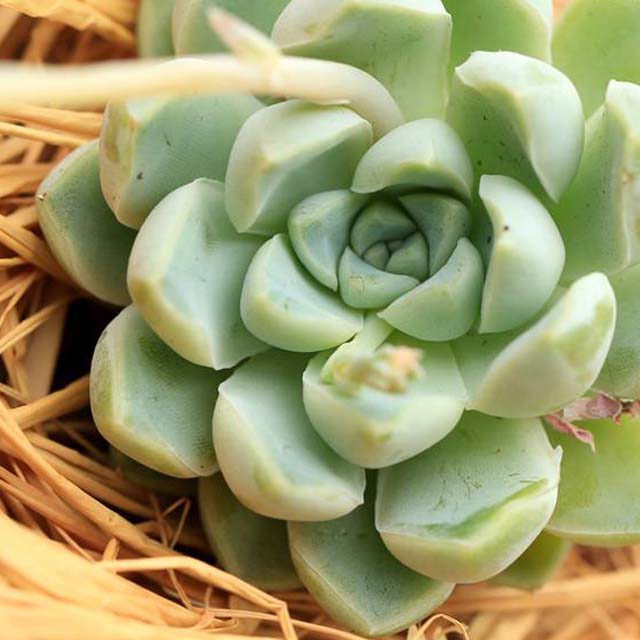
Echeveria elegans kesselringiana Sticky Leaves
eco Sticky Leaves

Echeveria elegans kesselringiana – Sticky Leaves

Why does your Echeveria elegans kesselringiana have sticky leaves? Diagnose the cause and fix it with our step-by-step guide.

pets Pet Friendly

search Possible Causes

error

Scale Insects

Scale insects are small, immobile pests that pierce the succulent tissue of Echeveria to suck sap, excreting a sugary substance known as honeydew which makes leaves feel sticky.

Very Common
lightbulb
How to confirm: Inspect the undersides of leaves and the base of the rosette for small, bump-like protrusions or hard shells.
build How to fix it
shopping_cart Recommended Products
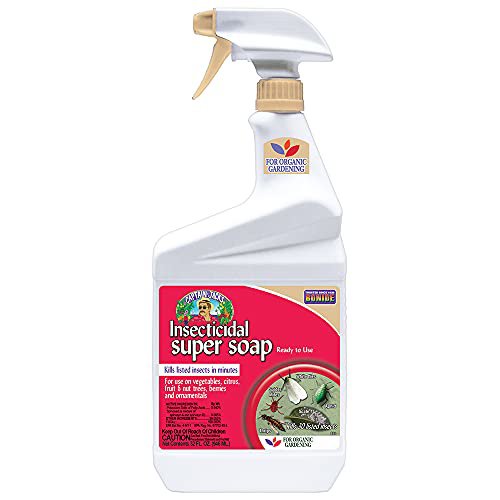
1 Apply an organic insecticide spray to the plant to eliminate existing scale insects and their eggs.
2 Gently wipe the leaves with a soft cloth or cotton swab soaked in isopropyl alcohol to remove the sticky honeydew and dislodge visible scale pests.
3 Inspect nearby plants and surrounding surfaces to ensure the infestation does not spread.
error

Aphid Infestation

Aphids congregate on the tender new growth of the Mexican Snowball rosette, feeding on sap and leaving a sticky residue behind as they excrete honeydew.

Very Common
lightbulb
How to confirm: Look for tiny, soft-bodied insects, often green or black, clustered near the center of the plant's growth points.
build How to fix it
shopping_cart Recommended Products
1 Apply an organic insecticide spray to the plant to eliminate existing aphids and prevent further feeding on new growth.
2 Gently wipe the sticky residue from the leaves using a soft cloth dampened with water to prevent fungal growth.
3 Inspect the undersides of leaves and new rosettes regularly to catch any remaining pests before they multiply.
warning

Mealybugs

Mealybugs produce honeydew while feeding on the Echeveria; however, they are usually accompanied by a distinctive white, cottony appearance.

Common
lightbulb
How to confirm: Check deep within the leaf crevices for small, white, waxy clumps that resemble bits of cotton.
build How to fix it
shopping_cart Recommended Products
1 Inspect the crevices of the leaves for white, cottony clusters and remove visible pests using a cotton swab dipped in isopropyl alcohol.
2 Apply an organic insecticide spray to the entire plant to eliminate remaining insects and prevent further honeydew production.
3 Clean the surrounding area and pot to remove any leftover sticky residue and prevent re-infestation.
warning

Sooty Mold

This is not a primary cause but a secondary symptom; a black, fuzzy fungus grows on the sticky honeydew left by insects, which can eventually block light to the Echeveria.

Common
lightbulb
How to confirm: Observe if there is a dark, charcoal-colored film coating the surface of the sticky leaves.
build How to fix it
shopping_cart Recommended Products
1 Inspect the undersides of leaves and crevices for small, moving pests like aphids, mealybugs, or scale that produce the sticky honeydew.
2 Gently wipe the black, fuzzy sooty mold off the leaves using a soft cloth dampened with water or a mild insecticidal soap to restore light absorption.
3 Improve air circulation around the plant and ensure it is in a well-draining environment to prevent further fungal growth.

Other Echeveria elegans kesselringiana problems

Your plant might also be experiencing one of these issues:

local_hospital All symptoms eco All plants with sticky leaves
favorite