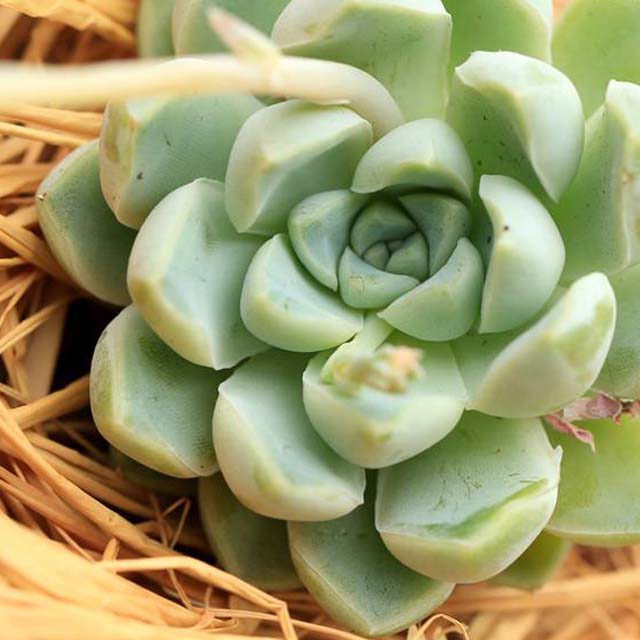
Echeveria elegans kesselringiana Yellow Leaves
eco Yellow Leaves

Echeveria elegans kesselringiana – Yellow Leaves

Why does your Echeveria elegans kesselringiana have yellow leaves? Diagnose the cause and fix it with our step-by-step guide.

pets Pet Friendly

search Possible Causes

error

Overwatering and Root Rot

Echeveria elegans is a succulent that requires well-draining soil; excessive moisture causes the roots to suffocate and decay, leading to chlorosis (yellowing) as the plant can no longer transport nutrients. This often manifests first in the lower, older leaves.

Very Common
lightbulb
How to confirm: Gently squeeze the base of the yellow leaf to see if it feels mushy or if the stem is discolored/blackened.
build How to fix it
shopping_cart Recommended Products
1 Immediately remove the plant from its current pot and trim away any mushy, black, or slimy roots caused by decay.
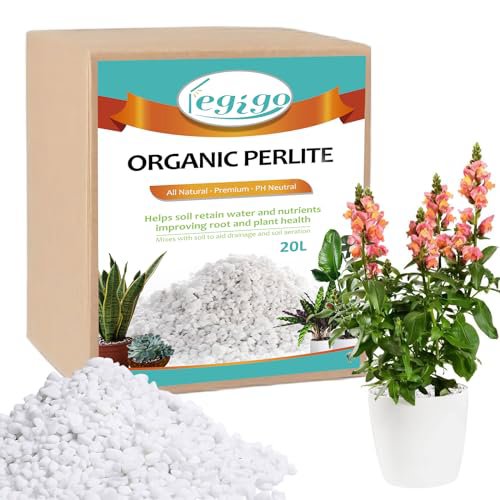
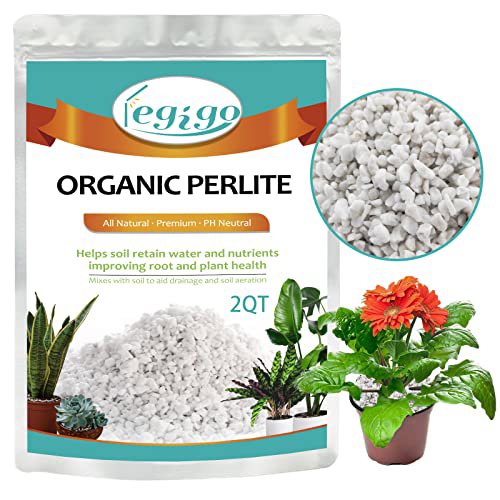
2 Repot the succulent in a fresh, highly porous medium using a mix of organic soil and perlite or clay pebbles to ensure rapid drainage.
3 Use a moisture meter to monitor the soil, ensuring you only water when the substrate is completely dry to prevent future rot.
warning

Nutrient Deficiency (Nitrogen)

A lack of nitrogen prevents the production of chlorophyll, causing older leaves to turn pale yellow before progressing up the rosette. This is common in succulents grown in depleted, sandy substrates for extended periods.

Common
lightbulb
How to confirm: Check if the new growth at the center of the rosette remains a healthy green while only bottom leaves are yellowing.
build How to fix it
shopping_cart Recommended Products
1 Apply a nitrogen-rich organic fertilizer to replenish the soil nutrients and restore chlorophyll production.
2 Repot the succulent in a fresh, well-draining substrate to provide a new source of essential minerals.
3 Monitor soil moisture levels using a meter to ensure you are not overwatering, which can exacerbate yellowing.
warning

Insufficient Light Exposure

While Echeveria elegans loves sun, insufficient light can cause the plant to lose its compact form and develop pale, yellowish leaves as it fails to perform efficient photosynthesis. This is often accompanied by 'stretching' or etiolation.

Common
lightbulb
How to confirm: Observe if the rosette is losing its tight shape and becoming elongated or leggy.
build How to fix it
shopping_cart Recommended Products
1 Move your Echeveria to a location with much brighter, direct sunlight to restore its compact shape and vibrant color.
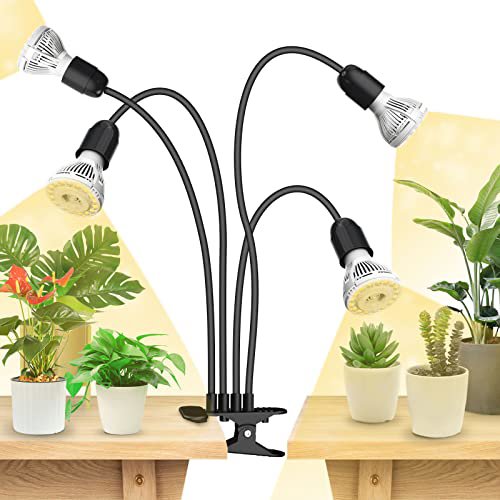
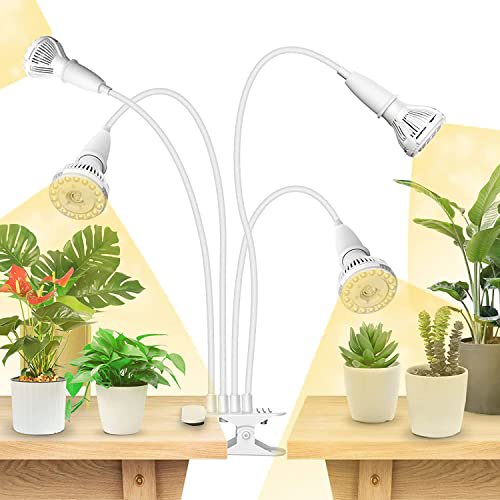
2 If natural light is insufficient, supplement with a full-spectrum LED grow light to provide the necessary energy for photosynthesis.
3 Monitor the soil moisture closely, as plants in lower light require less frequent watering to prevent root rot.
warning

Temperature Stress (Cold Damage)

Extreme drops in temperature can damage the cellular structure of the succulent, causing the leaves to lose pigment and turn yellow or translucent. Echeverias are not frost-tolerant.

Common
lightbulb
How to confirm: Check if there has been a recent frost or a significant drop in nighttime temperatures in your growing area.
build How to fix it
shopping_cart Recommended Products
1 Immediately move the plant to a warmer, sheltered location away from cold drafts or windows to prevent further cellular damage.
2 Monitor soil moisture closely using a moisture meter to ensure the plant is not being overwatered while in a stressed, low-metabolism state.
3 Avoid applying heavy fertilizers during this recovery period; instead, use a gentle kelp-based supplement to help the plant recover from environmental stress.

Other Echeveria elegans kesselringiana problems

Your plant might also be experiencing one of these issues:

local_hospital All symptoms eco All plants with yellow leaves
favorite