Echeveria peacockii Leggy Stems
eco Leggy Stems

Echeveria peacockii – Leggy Stems

Why does your Echeveria peacockii have leggy stems? Diagnose the cause and fix it with our step-by-step guide.

pets Pet Friendly

search Possible Causes

error

Insufficient Light (Etiolation)

Echeveria peacockii requires high intensity, direct sunlight to maintain its compact rosette form. When light is low, the plant stretches its internodes toward the light source, resulting in elongated, weak stems and loss of the characteristic tight shape.

Very Common
lightbulb
How to confirm: Observe if the leaves are spaced far apart on an elongated stem rather than tightly overlapping in a dense rosette.
build How to fix it
shopping_cart Recommended Products
1 Move your Echeveria to a location that receives at least 6 hours of bright, direct sunlight daily to prevent further stretching.
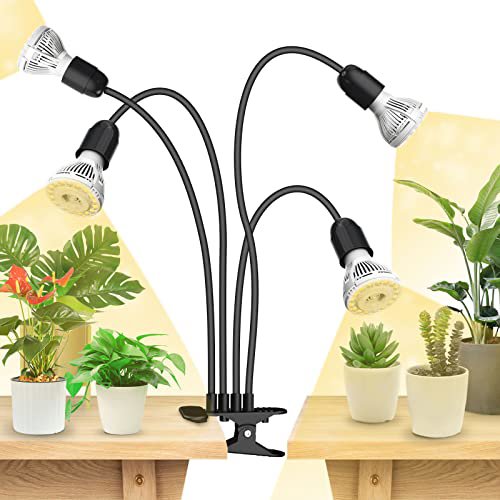
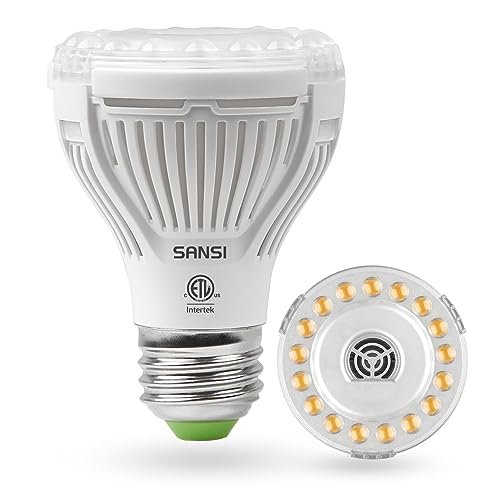
2 Supplement with a high-intensity grow light if natural sunlight is insufficient to maintain the plant's compact rosette shape.
3 Gently trim the elongated, leggy stems and propagate the healthy ends in well-draining substrate to restore a compact growth habit.
warning

Overwatering and Root Decay

Excessive moisture in succulent soil can lead to root rot, which compromises the plant's ability to support its structure. As roots die, the stem loses turgor pressure and may appear to collapse or stretch unevenly due to structural instability.

Common
lightbulb
How to confirm: Gently tug on the base of the plant to see if the stems detach easily from mushy, darkened roots.
build How to fix it
shopping_cart Recommended Products
1 Immediately inspect the roots for mushy, dark, or foul-smelling decay and trim away any damaged sections using sterilized tools.
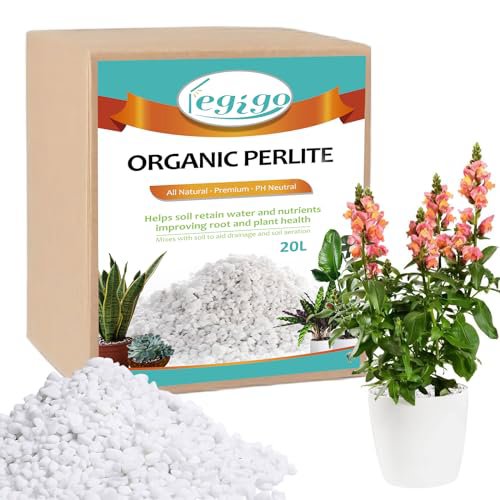
2 Repot the Echeveria in a well-draining, gritty substrate like a mix of organic perlite and cactus soil to prevent future water retention.
3 Use a moisture meter to monitor the soil, ensuring you only water when the medium is completely dry to avoid further root rot.
warning

Temperature Fluctuations

Extreme heat or sudden drops in temperature can stress the metabolic processes of Echeveria peacockii. This stress can disrupt cell expansion and growth patterns, leading to irregular, spindly growth.

Common
lightbulb
How to confirm: Check if the plant is located near a drafty window or a heating vent that causes rapid temperature swings.
build How to fix it
shopping_cart Recommended Products
1 Stabilize the environment by moving the plant to a location with consistent temperatures, away from cold drafts or direct heat vents.
2 Increase light exposure using a full-spectrum light to encourage compact, sturdy growth and prevent further stretching.
3 Prune the elongated, leggy stems using sterilized shears to promote new, denser growth from the base.

Other Echeveria peacockii problems

Your plant might also be experiencing one of these issues:

local_hospital All symptoms eco All plants with leggy stems
favorite