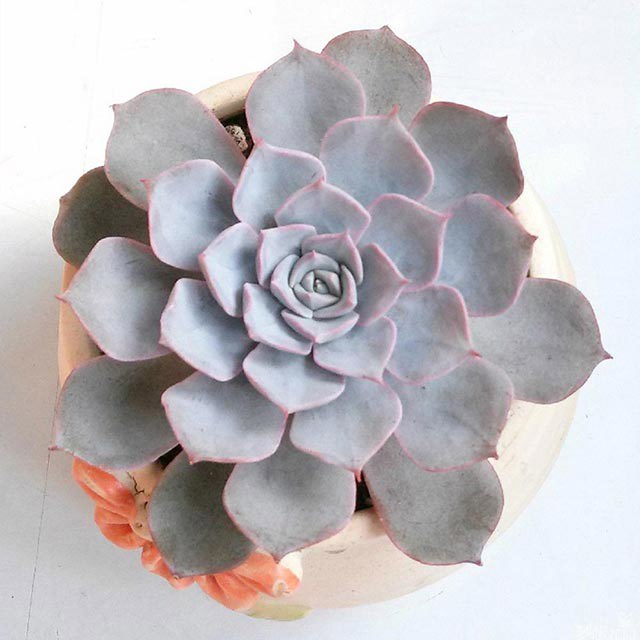
Echeveria peacockii White Cottony Spots
eco White Cottony Spots

Echeveria peacockii – White Cottony Spots

Why does your Echeveria peacockii have white cottony spots? Diagnose the cause and fix it with our step-by-step guide.

pets Pet Friendly

search Possible Causes

error

Mealybug Infestation

Mealybugs are small, soft-bodied insects that secrete a white, waxy, cotton-like substance to protect themselves. They feed on the sap of Echeveria peacockii, often clustering in the tight crevices between the rosette leaves.

Very Common
lightbulb
How to confirm: Use a cotton swab dipped in isopropyl alcohol to dab the white spots; if they dissolve and turn brown, it is likely mealybugs.
build How to fix it
shopping_cart Recommended Products
1 Isolate the plant immediately from other greenery to prevent the spread of mealybugs to your other plants.
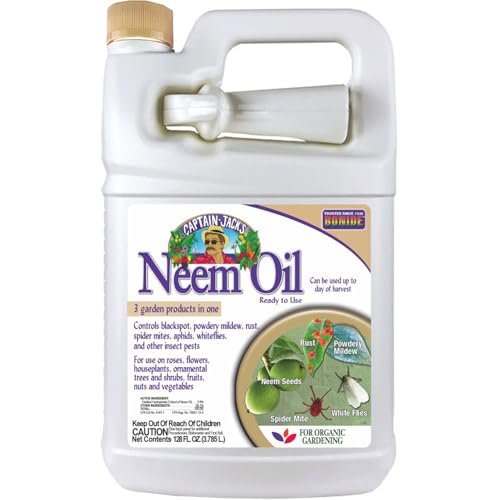
2 Treat the infestation by spraying the plant with an organic insecticide to kill the insects and their eggs.
3 Use a cotton swab dipped in isopropyl alcohol to manually remove visible white cottony clusters from the leaf crevices.
warning

Pseudococcid scale

Similar to mealybugs, these pests produce white filaments that look like cotton. They can cause the succulent leaves to lose their characteristic blue-green luster and eventually lead to leaf drop.

Common
lightbulb
How to confirm: Inspect the underside of the leaves and the base of the plant for tiny, moving organisms or sticky honeydew residue.
build How to fix it
shopping_cart Recommended Products
1 Isolate the plant immediately to prevent the spread of scale to other succulents and use a cotton swab dipped in isopropyl alcohol to manually remove the white cottony spots.
2 Apply an organic insecticide spray to the entire plant, ensuring you reach the crevices between leaves where pests hide.
3 Monitor the soil moisture levels closely, as overwatering can create the humid environment these pests thrive in; use a moisture meter to ensure the soil is drying out between waterings.
warning

Botrytis cinerea (Gray Mold)

In conditions of high humidity and poor airflow, Botrytis can manifest as fuzzy, white patches on the succulent tissue. This is a fungal pathogen that thrives when moisture is trapped in the rosette center.

Common
lightbulb
How to confirm: Check if the white spots are accompanied by soft, decaying, or translucent leaf tissue.
build How to fix it
shopping_cart Recommended Products
1 Remove all affected plant tissue and any decaying leaves from the rosette center to prevent the fungus from spreading to healthy tissue.
2 Apply an organic fungicide to the affected areas and ensure the plant is kept in a low-humidity environment with excellent air circulation.
3 Improve drainage and airflow by repotting the Echeveria in a well-draining succulent mix containing perlite to prevent moisture from trapping in the rosette.

Other Echeveria peacockii problems

Your plant might also be experiencing one of these issues:

local_hospital All symptoms eco All plants with white cottony spots
favorite