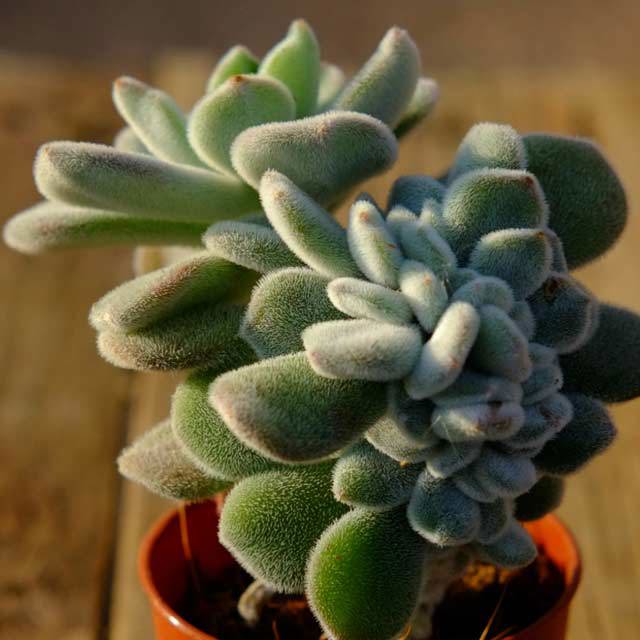
Echeveria pulvinata Frosty Drooping Leaves
eco Drooping Leaves

Echeveria pulvinata Frosty – Drooping Leaves

Why does your Echeveria pulvinata Frosty have drooping leaves? Diagnose the cause and fix it with our step-by-step guide.

search Possible Causes

error

Overwatering and Root Rot

Excessive moisture in the substrate causes the roots of Echeveria pulvinata to decay, preventing the plant from absorbing water and leading to limp, translucent leaves. This is the most common cause of drooping in succulents when the soil stays damp for too long.

Very Common
lightbulb
How to confirm: Gently pull on a leaf; if it detaches easily with a slimy base, rot is likely present.
build How to fix it
shopping_cart Recommended Products
1 Immediately remove the plant from its current pot and trim away any mushy, black, or slimy roots caused by decay.
2 Repot the Echeveria in a well-draining, gritty substrate specifically designed for succulents to prevent future moisture retention.
3 Use a moisture meter to monitor the soil and ensure you only water when the substrate is completely dry to the touch.
error

Dehydration (Underwatering)

When the soil remains dry for extended periods, the plant utilizes its internal water reserves, causing the fleshy leaves of the Echeveria to lose turgor pressure and droop. The leaves will often appear wrinkled or shriveled.

Very Common
lightbulb
How to confirm: Check the weight of the pot; a very light pot usually indicates the plant is critically thirsty.
build How to fix it
shopping_cart Recommended Products
1 Immediately check the soil moisture level using a moisture meter to confirm the depth of dehydration.
2 Thoroughly soak the soil with water until it drains from the bottom of the pot, ensuring the root ball is fully saturated.
3 Ensure the plant is in a well-draining container with a drainage tray to prevent future water stagnation or root rot.
warning

Temperature Stress (Cold Shock)

As a succulent, Echeveria pulvinata is sensitive to sudden drops in temperature. Exposure to frost or temperatures near freezing can cause cell damage, leading to a loss of structural integrity and drooping.

Common
lightbulb
How to confirm: Check if the plant was recently moved to a drafty window or exposed to nighttime temperatures below 50°F (10°C).
build How to fix it
shopping_cart Recommended Products
1 Immediately move the plant to a warmer, sheltered location away from drafts or freezing temperatures to stabilize the plant's internal temperature.
2 Monitor the soil moisture closely using a moisture meter to ensure the cold shock hasn't led to overwatering, as cold, wet soil can accelerate rot.
3 Avoid applying fertilizer until the plant shows signs of new, firm growth, as feeding a stressed plant can cause further damage.
warning

Pest Infestation (Mealybugs)

Sap-sucking pests like mealybugs feed on the moisture within the leaves, weakening the plant's ability to stay upright. Large infestations can cause systemic stress and visible drooping.

Common
lightbulb
How to confirm: Inspect the leaf axils (where leaves meet the stem) for small, white, cotton-like clusters.
build How to fix it
shopping_cart Recommended Products
1 Inspect the crevices of the leaves and the base of the plant for white, cottony clusters characteristic of mealybugs.
2 Apply an organic insecticide spray to eliminate existing pests and prevent further feeding on the plant's moisture reserves.
3 Isolate the plant from other greenery to prevent the infestation from spreading to your other houseplants.

Other Echeveria pulvinata Frosty problems

Your plant might also be experiencing one of these issues:

local_hospital All symptoms eco All plants with drooping leaves
favorite