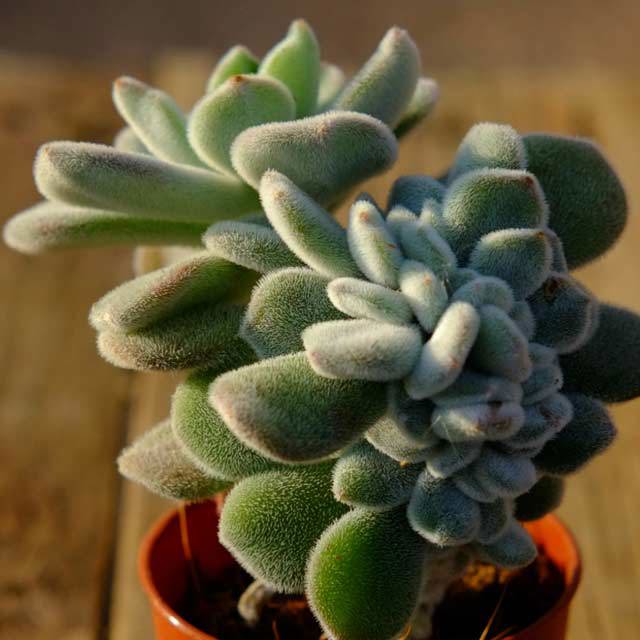
Why does your Echeveria pulvinata Frosty have yellow leaves? Diagnose the cause and fix it with our step-by-step guide.
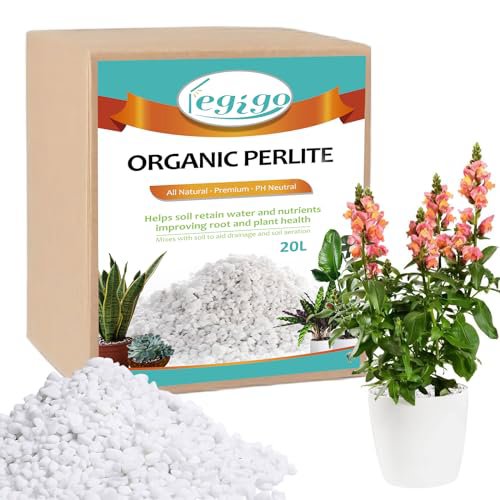
Excessive moisture in the substrate causes the roots of Echeveria pulvinata to suffocate and decay, leading to a systemic failure in nutrient transport that manifests as yellowing leaves. This is the most frequent cause of death for succulents with this type of fleshy foliage.
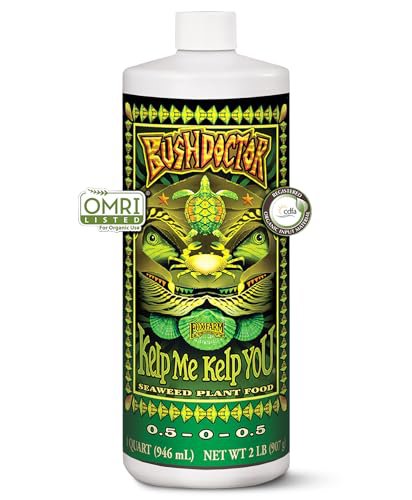
A lack of available nitrogen prevents the production of chlorophyll, causing older leaves to lose their green color and turn a pale yellow. This often happens if the succulent has been in the same potting medium for several years without fertilization.
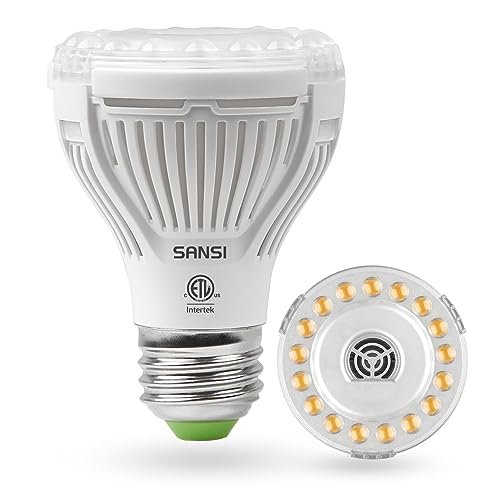
While Echeveria pulvinata is known for its farina (the 'frosty' coating), low light levels can cause the plant to lose pigment and develop chlorotic (yellow) patches as it fails to photosynthesize efficiently. The leaves may also appear stretched or 'leggy'.
Extreme temperature drops can damage the cell walls of the succulent's leaves, leading to yellowing or translucent patches. As a species that prefers mild temperatures, sudden frost or cold drafts can trigger this physiological response.
Your plant might also be experiencing one of these issues:

 English
 Italiano