Glycine max White Cottony Spots
eco White Cottony Spots

Glycine max – White Cottony Spots

Why does your Glycine max have white cottony spots? Diagnose the cause and fix it with our step-by-step guide.

pets Pet Friendly

search Possible Causes

error

Soybean White Mold (Sclerotinia sclerotiorum)

This fungal pathogen produces a dense, white cottony mycelium that covers leaves and stems, eventually forming hard, black sclerotia. It thrives in high humidity and cool temperatures during the flowering stage of soybean.

Very Common
lightbulb
How to confirm: Look for small, dark, pea-like structures (sclerotia) embedded within the white fungal mass on the stem or leaf petioles.
build How to fix it
shopping_cart Recommended Products
1 Remove and destroy all infected plant material and any visible black sclerotia immediately to prevent the spread of fungal spores.
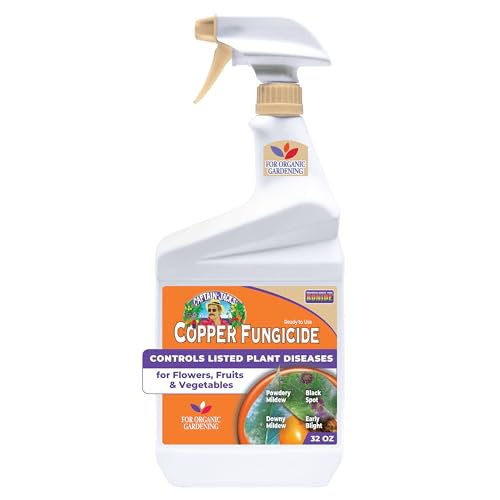
2 Apply an organic fungicide to protect healthy tissues and manage existing fungal growth.
3 Improve air circulation and reduce humidity around the plants by spacing them further apart and avoiding overhead watering.
warning

Powdery Mildew

Certain species of powdery mildew create white, flour-like patches on the upper surfaces of soybean leaves. This inhibits photosynthesis and can lead to premature leaf senescence if the infection is widespread.

Common
lightbulb
How to confirm: Check if the white spots appear as a surface coating that can be rubbed off easily with your finger.
build How to fix it
shopping_cart Recommended Products
1 Apply an organic fungicide to the affected leaves to control the spread of the powdery mildew infection.
2 Prune and remove any heavily infected leaves to prevent the fungal spores from spreading to healthy parts of the plant.
3 Improve air circulation around the soybean plants by spacing them properly and ensuring they are not in overly humid, stagnant environments.
warning

Cottony Blight (Sclerotinia related/early stage)

Early stages of various soil-borne fungal infections can manifest as fuzzy, white growth on the lower canopy where moisture is trapped. This often precedes more significant stem decay in soybean crops.

Common
lightbulb
How to confirm: Examine the base of the plant to see if the white growth is concentrated near the soil line or leaf junctions.
build How to fix it
shopping_cart Recommended Products
1 Apply an organic fungicide to the affected area to halt the spread of the fungal growth and protect healthy plant tissue.
2 Improve airflow around the lower canopy by pruning dense foliage and ensure the soil surface dries between waterings to reduce trapped moisture.
3 Monitor soil moisture levels closely to prevent the waterlogged conditions that favor Sclerotinia development.

Other Glycine max problems

Your plant might also be experiencing one of these issues:

local_hospital All symptoms eco All plants with white cottony spots
favorite