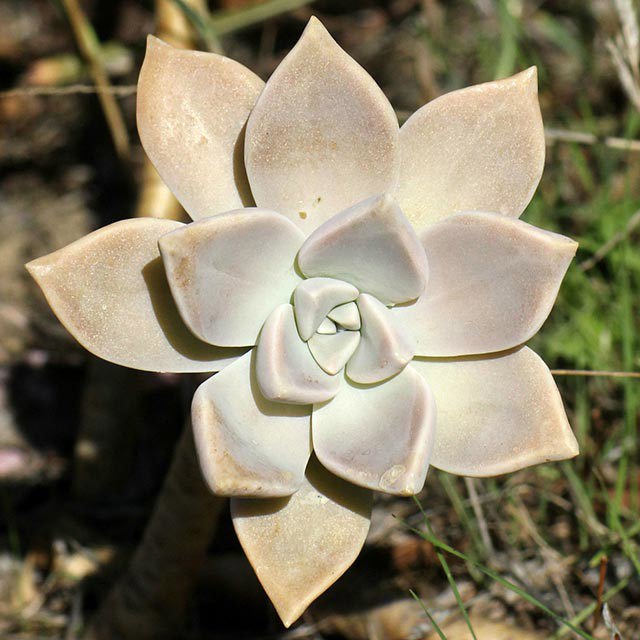
Graptoveria gilva Drooping Leaves
eco Drooping Leaves

Graptoveria gilva – Drooping Leaves

Why does your Graptoveria gilva have drooping leaves? Diagnose the cause and fix it with our step-by-step guide.

search Possible Causes

error

Underwatering and Dehydration

As a succulent, Graptoveria relies on leaf turgidity to maintain structure. When soil moisture is depleted for too long, the plant draws water from its own leaves, causing them to become limp and wrinkled.

Very Common
lightbulb
How to confirm: Gently squeeze a leaf; if it feels soft, thin, and significantly more wrinkled than usual, the plant needs a deep watering.
build How to fix it
shopping_cart Recommended Products
1 Immediately check the soil moisture level using a probe to confirm the depth of dehydration.
2 Thoroughly soak the soil with water until it drains from the bottom of the pot to rehydrate the plant tissues.
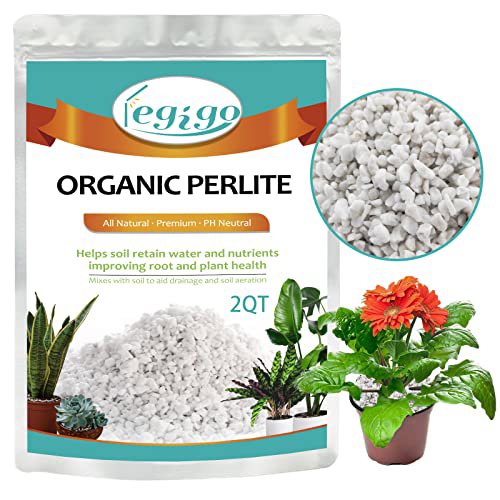
3 Ensure the plant is in a well-draining medium, such as a mix containing perlite, to prevent future water retention issues.
error

Root Rot (Overwatering)

Excessive moisture in the substrate leads to fungal decay of the root system. Once roots rot, they can no longer transport water to the leaves, resulting in a paradoxical drooping symptom despite wet soil.

Very Common
lightbulb
How to confirm: Check if the base of the plant or the soil is staying damp for more than a week and look for black, mushy stem tissue.
build How to fix it
shopping_cart Recommended Products
1 Immediately remove the plant from its current pot and discard any mushy, black, or foul-smelling roots.
2 Repot the plant in a well-draining, gritty substrate specifically designed for succulents to ensure rapid drying.
3 Use a moisture meter to monitor the soil and ensure you only water when the substrate is completely dry to prevent future rot.
warning

Temperature Stress (Extreme Cold)

Graptoveria gilva is not frost-hardy. Exposure to temperatures near or below freezing can damage cell walls in the leaves, leading to a loss of structural integrity and drooping.

Common
lightbulb
How to confirm: Check if there has been a recent drop in temperature or if the leaves appear translucent or darkened in addition to drooping.
build How to fix it
shopping_cart Recommended Products
1 Immediately move the plant to a warmer, frost-free indoor environment to prevent further cell damage.
2 Monitor the soil moisture closely, as temperature shifts can alter evaporation rates; use a moisture meter to ensure the plant is not overwatered while in recovery.
3 Avoid fertilizing the plant until new, healthy growth appears and the plant has stabilized in a consistent temperature.
warning

Nutrient Deficiency (Nitrogen)

A lack of essential macronutrients can weaken the cellular structure of the succulent. While less common than water issues, chronic deficiency prevents the plant from maintaining leaf pressure.

Common
lightbulb
How to confirm: Observe if the drooping is accompanied by a distinct pale yellowing of the older leaves.
build How to fix it
shopping_cart Recommended Products
1 Apply a balanced, diluted liquid fertilizer to boost nitrogen levels and restore cellular strength.
2 Check the soil moisture levels with a meter to ensure the drooping isn't actually caused by overwatering or underwatering.
3 Ensure the plant is in a well-draining substrate, such as a mix containing perlite, to prevent nutrient lockout from compacted soil.

Other Graptoveria gilva problems

Your plant might also be experiencing one of these issues:

local_hospital All symptoms eco All plants with drooping leaves
favorite