Graptoveria gilva Sudden Leaf Drop
eco Sudden Leaf Drop

Graptoveria gilva – Sudden Leaf Drop

Why does your Graptoveria gilva have sudden leaf drop? Diagnose the cause and fix it with our step-by-step guide.

search Possible Causes

error

Overwatering and Root Rot

As a succulent, Graptoveria gilva is highly susceptible to fungal pathogens like Phytophthora when soil stays saturated. Excessive moisture causes the root system to decay, making it unable to support the foliage, resulting in leaves detaching easily from the stem.

Very Common
lightbulb
How to confirm: Gently pull on a leaf; if it pops off with no resistance and the base of the stem feels soft or dark, rot is present.
build How to fix it
shopping_cart Recommended Products
1 Immediately remove the plant from the saturated soil and inspect the roots; trim away any mushy, black, or foul-smelling decayed roots using sterilized tools.
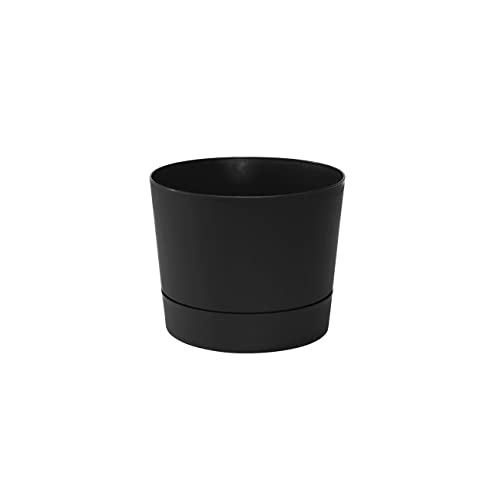
2 Repot the Graptoveria in a fresh, well-draining succulent mix and use a container with excellent drainage, such as a Root & Vessel cylinder pot, to prevent future water pooling.
3 Amend the new potting medium with horticultural perlite to increase aeration and prevent the soil from staying too wet.
error

Temperature Stress (Cold Shock)

Graptoveria gilva prefers temperate to warm environments. Sudden drops in temperature, especially near freezing, can cause cell membrane rupture in the fleshy leaves, leading to rapid abscission as a stress response.

Very Common
lightbulb
How to confirm: Check if recent nighttime temperatures have dropped below 50°F (10°C).
build How to fix it
shopping_cart Recommended Products
1 Immediately move the plant to a warmer, stable environment and avoid any drafts or sudden temperature fluctuations.
2 Check the soil moisture levels to ensure the plant is not sitting in water, as cold, wet soil can exacerbate temperature stress.
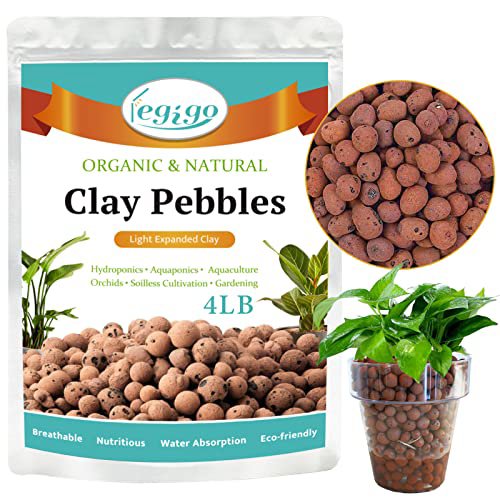
3 If the plant has been in a cold, damp environment, consider repotting with a well-draining substrate like Legigo Leca Clay Pebbles to improve aeration and prevent root rot.
warning

Pest Infestation (Mealybugs or Aphids)

Sap-sucking insects like mealybugs feed on the moisture stored in Graptoveria leaves, weakening the plant's structural integrity. Severe infestations drain enough nutrients to trigger the plant to shed leaves to conserve resources.

Common
lightbulb
How to confirm: Inspect the leaf axils and the base of the rosette for tiny white cottony patches or sticky residue.
build How to fix it
shopping_cart Recommended Products
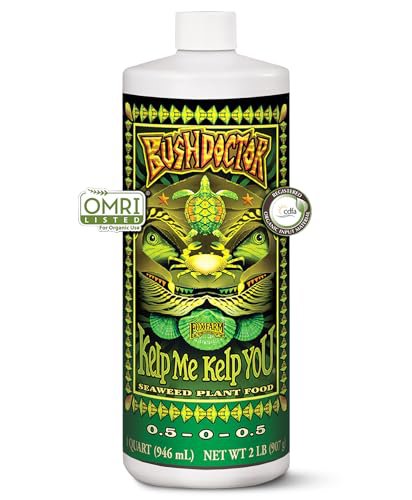
1 Isolate the plant immediately and treat the infestation with an organic insecticide to kill adult insects, larvae, and eggs.
2 Carefully inspect the leaf axils and crevices for white, cottony mealybug residue and wipe them away with a cotton swab dipped in alcohol.
3 Monitor soil moisture levels closely to ensure the plant is not being overwatered, as excess moisture can exacerbate pest-related stress.
warning

Nutrient Deficiency

A lack of essential macronutrients, particularly nitrogen, can cause a succulent to prioritize stem survival over leaf retention. While less common for sudden drop, prolonged deprivation leads to weakened attachment points.

Common
lightbulb
How to confirm: Observe if the remaining leaves are also showing significant pale discoloration or stunted growth.
build How to fix it
shopping_cart Recommended Products
1 Apply a balanced, diluted liquid fertilizer to provide essential nitrogen and macronutrients to the plant.
2 Check the soil moisture levels with a meter to ensure the leaf drop isn't actually caused by overwatering or root rot.
3 Ensure the plant is in a well-draining substrate, such as a mix containing perlite, to prevent nutrient lockout from compacted soil.

Other Graptoveria gilva problems

Your plant might also be experiencing one of these issues:

local_hospital All symptoms eco All plants with sudden leaf drop
favorite