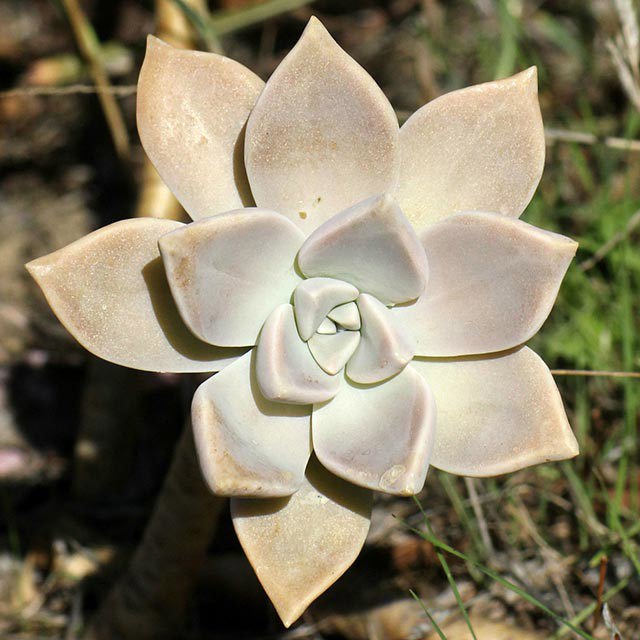
Graptoveria gilva Leggy Stems
eco Leggy Stems

Graptoveria gilva – Leggy Stems

Why does your Graptoveria gilva have leggy stems? Diagnose the cause and fix it with our step-by-step guide.

search Possible Causes

error

Insufficient Light (Etiolation)

Graptoveria species require bright, indirect light or direct sunlight to maintain compact rosettes. When light levels are too low, the plant stretches its internodes rapidly toward the light source to increase surface area for photosynthesis.

Very Common
lightbulb
How to confirm: Observe if the leaves are spaced far apart on elongated stems and if the leaf color is fading from blue-grey to a pale green.
build How to fix it
shopping_cart Recommended Products
1 Move your Graptoveria to a location with much brighter, direct sunlight or intense indirect light to stop the stretching of stems.
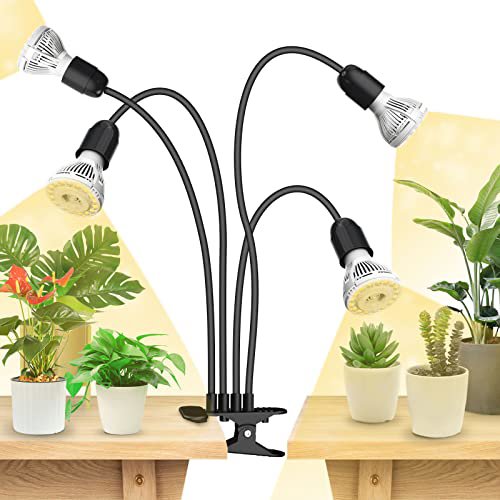
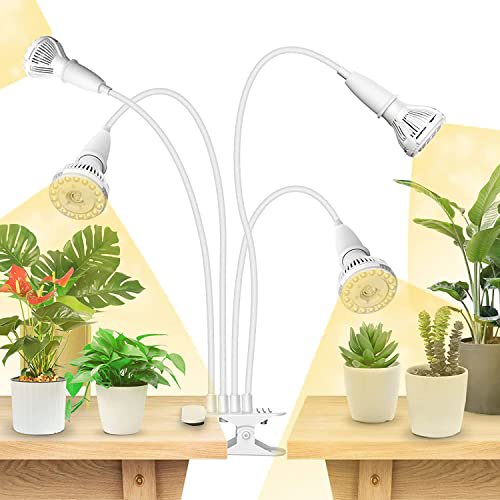
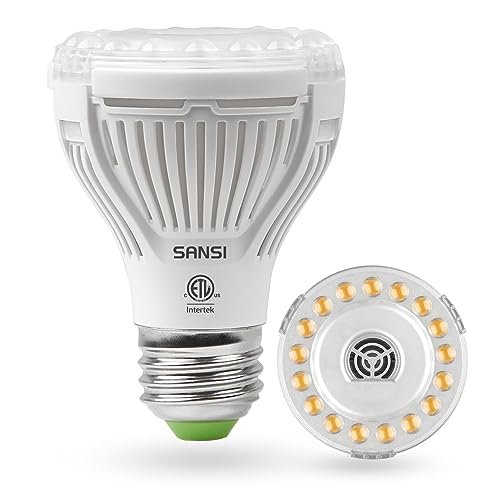
2 If natural light is insufficient, supplement with a full-spectrum LED grow light to provide the necessary intensity for compact growth.
3 Prune away the excessively long, leggy stems to encourage the plant to grow more compact rosettes from the base.
warning

Overwatering and Poor Drainage

Excessive moisture can cause rapid, weak growth in succulents. If the growing medium remains saturated, it disrupts the plant's ability to regulate cell pressure, leading to soft, stretched tissue.

Common
lightbulb
How to confirm: Feel the substrate to see if it stays damp for more than a week and check if the base of the stems feels mushy.
build How to fix it
shopping_cart Recommended Products
1 Immediately stop watering and allow the soil to dry out completely to prevent root rot.
2 Repot the succulent in a well-draining, gritty substrate like a mix containing perlite or pumice to ensure better aeration.
3 Ensure the plant is placed in a bright, sunny location to encourage compact, sturdy growth and prevent further stretching.
warning

High Temperature/Heat Stress

Extreme heat can force a succulent into a state of rapid growth or metabolic stress, often resulting in weak, spindly structures as the plant attempts to dissipate heat through increased surface area.

Common
lightbulb
How to confirm: Check if the legginess coincided with a recent period of temperatures significantly exceeding 90°F (32°C).
build How to fix it
shopping_cart Recommended Products
1 Move your Graptoveria to a cooler location with bright, indirect light to reduce metabolic stress and prevent further spindly growth.
2 Provide supplemental lighting if the plant is stretching for light, using a full-spectrum bulb to encourage compact, sturdy growth.
3 Prune the leggy, weak stems and propagate the healthy ends in a well-draining substrate like perlite or clay pebbles to establish new, compact plants.

Other Graptoveria gilva problems

Your plant might also be experiencing one of these issues:

local_hospital All symptoms eco All plants with leggy stems
favorite