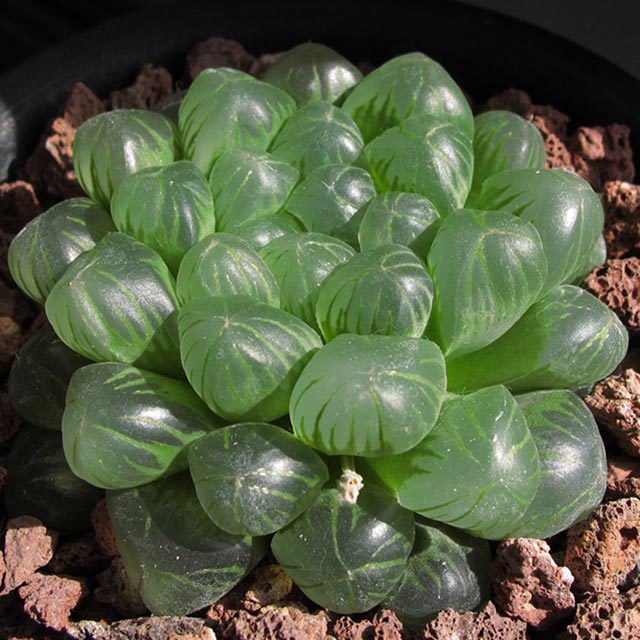
Haworthia cooperi truncata Drooping Leaves
eco Drooping Leaves

Haworthia cooperi truncata – Drooping Leaves

Why does your Haworthia cooperi truncata have drooping leaves? Diagnose the cause and fix it with our step-by-step guide.

search Possible Causes

error

Root Rot (Overwatering)

Excessive moisture in the substrate causes fungal pathogens to attack the roots of this succulent, preventing it from absorbing water. This leads to a loss of turgor pressure, causing the characteristic translucent windows and leaves to droop.

Very Common
lightbulb
How to confirm: Gently tug on the plant base; if it feels loose or the roots are black and mushy, rot is present.
build How to fix it
shopping_cart Recommended Products
1 Immediately remove the plant from its current pot and trim away any mushy, blackened, or foul-smelling roots using sterilized tools.
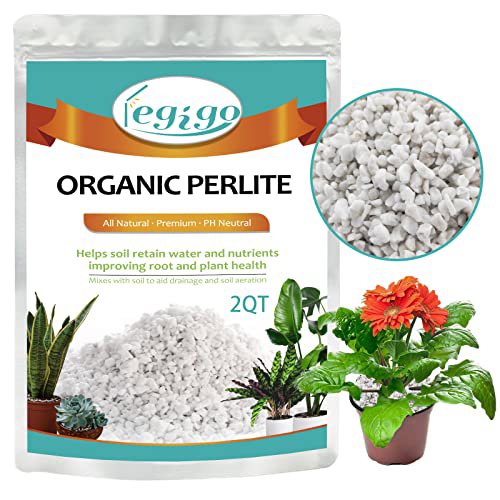
2 Repot the Haworthia in a fresh, highly porous substrate designed for succulents to ensure rapid drainage and prevent future water retention.
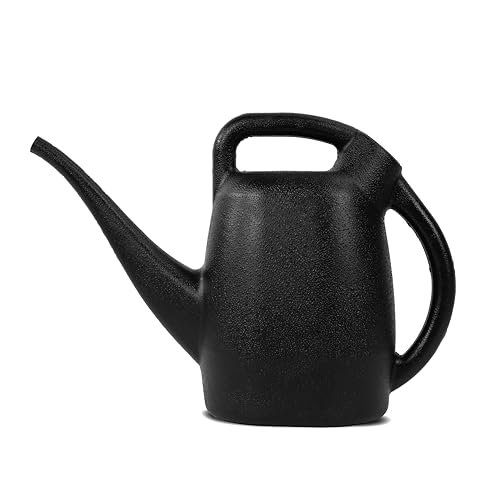
3 Use a moisture meter to monitor the substrate, ensuring you only water when the soil is completely dry to avoid repeating the overwatering cycle.
error

Dehydration (Underwatering)

Haworthia cooperii stores water in its leaves, but prolonged drought periods will cause the cells to shrink. This results in a limp, deflated appearance as the plant uses up its internal reserves.

Very Common
lightbulb
How to confirm: Check if the substrate is bone dry and if the leaves feel noticeably soft or wrinkled.
build How to fix it
shopping_cart Recommended Products
1 Thoroughly soak the soil to allow the plant to rehydrate its internal reserves, ensuring water reaches the root zone.
2 Use a moisture meter to monitor the soil and prevent future drought periods by watering only when the top layer of soil is dry.
3 Ensure the plant is in a well-draining medium, such as a mix containing perlite, to prevent water from pooling and causing rot during rehydration.
warning

Temperature Stress (Cold Damage)

This species is sensitive to sudden drops in temperature. Exposure to frost or temperatures below 50°F (10°C) can damage the cell structure of the succulent, causing the leaves to lose rigidity and wilt.

Common
lightbulb
How to confirm: Check if the plant was recently exposed to a drafty window or a significant drop in nighttime temperatures.
build How to fix it
shopping_cart Recommended Products
1 Immediately move the plant to a warm, stable environment with temperatures consistently above 60°F (15°C) to prevent further cell damage.
2 Monitor the soil moisture closely to ensure the plant is not being overwatered while in a stressed state; use a moisture meter to prevent root rot.
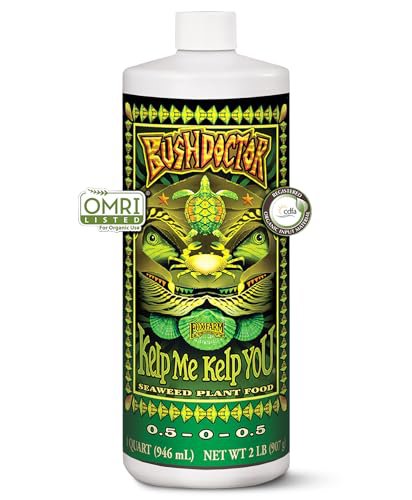
3 If the plant shows signs of recovery, apply a diluted liquid seaweed fertilizer to help boost nutrient uptake and promote stress recovery.
warning

Nutrient Deficiency

A lack of essential minerals like magnesium or nitrogen can impair the physiological functions required to maintain leaf structure. While less common than water issues, it causes a slow decline in plant vigor.

Common
lightbulb
How to confirm: Observe if there is any accompanying discoloration (yellowing) on the translucent windows or leaf edges.
build How to fix it
shopping_cart Recommended Products
1 Apply a diluted liquid seaweed fertilizer to boost essential micronutrients and support physiological functions.
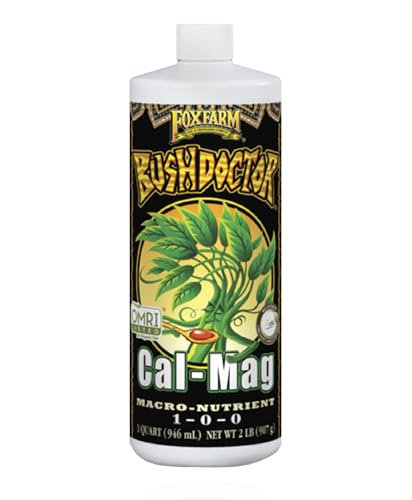
2 Supplement the soil with a calcium and magnesium fertilizer to strengthen cell walls and improve leaf structure.
3 Monitor soil moisture levels with an analog meter to ensure the drooping is not actually caused by underwatering.

Other Haworthia cooperi truncata problems

Your plant might also be experiencing one of these issues:

local_hospital All symptoms eco All plants with drooping leaves
favorite