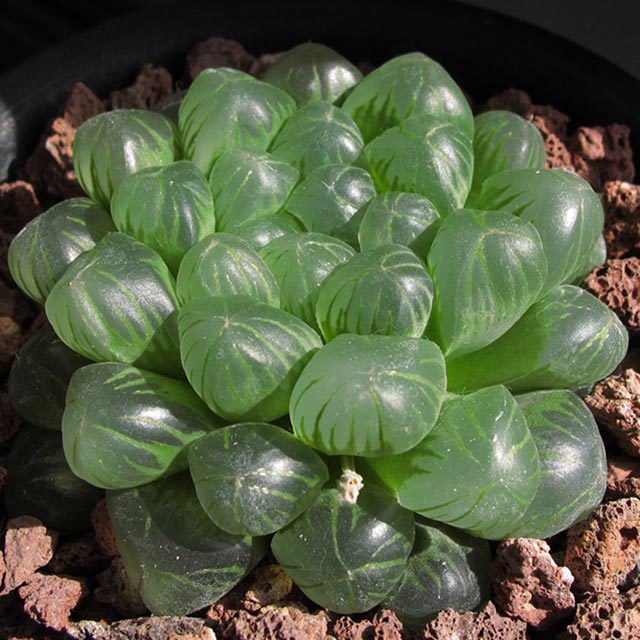
Why does your Haworthia cooperi truncata have tiny black flies? Diagnose the cause and fix it with our step-by-step guide.
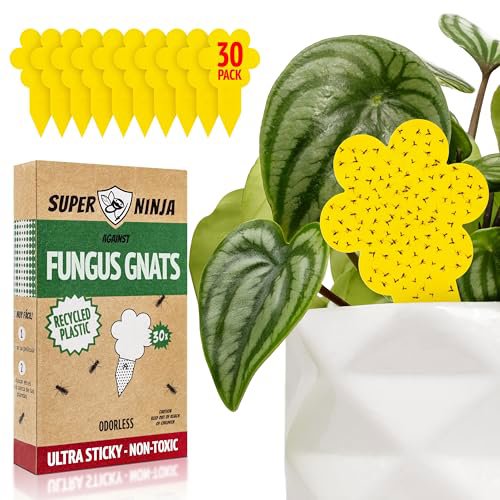
The presence of tiny black flies in succulent soil is most commonly due to Fungus Gnats, whose larvae feed on organic matter and decaying roots. For Haworthia, the moisture required for their lifecycle often overlaps with the overly damp conditions that cause root rot.
While not the cause of the flies themselves, constant moisture in the substrate attracts pests and provides a breeding ground. In Haworthia cooperii, wet soil leads to fungal growth which serves as the primary food source for insect larvae.
Less common, but certain soil-dwelling beetles can be mistaken for black flies. These pests may target the tender, translucent windowed leaves of the Haworthia if they are scavenging for moisture.
Your plant might also be experiencing one of these issues:

 English
 Italiano