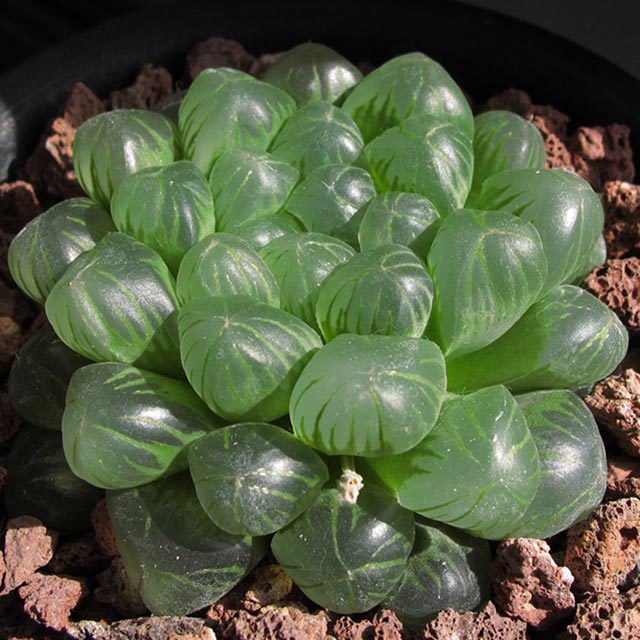
Haworthia cooperi truncata Sticky Leaves
eco Sticky Leaves

Haworthia cooperi truncata – Sticky Leaves

Why does your Haworthia cooperi truncata have sticky leaves? Diagnose the cause and fix it with our step-by-step guide.

search Possible Causes

error

Scale Insects (Coccidae)

Small, immobile insects attach to the base of the leaves or near the roots, secreting honeydew, a sugary substance that creates the sticky residue. This is common in Haworthia as they provide a stable habitat for these pests.

Very Common
lightbulb
How to confirm: Inspect the base of the plant and leaf crevices for small, brownish bumps or hard scales.
build How to fix it
shopping_cart Recommended Products
1 Treat the plant with an organic insecticide spray to eliminate the scale insects and stop the production of honeydew.
2 Carefully wipe the leaves and the base of the plant with a cotton swab dipped in isopropyl alcohol to remove the sticky residue and any visible insect carcasses.
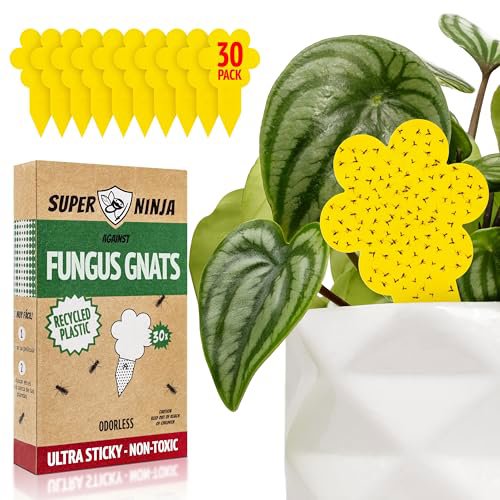
3 Inspect nearby plants and use yellow sticky traps to monitor for any migrating pests or secondary insects like fungus gnats.
error

Aphid Infestation

Soft-bodied aphids feed on the sap of the succulent leaves, excreting honeydew as a byproduct. This sticky substance can often lead to the growth of black sooty mold on the leaf windows.

Very Common
lightbulb
How to confirm: Check the tender new growth and the underside of the leaves for tiny, moving green or black insects.
build How to fix it
shopping_cart Recommended Products
1 Isolate the plant immediately to prevent the aphids from spreading to your other houseplants.
2 Apply an organic insecticide spray to eliminate the aphids and control any secondary fungal growth.
3 Gently wipe the sticky honeydew and any sooty mold off the leaf windows using a soft cloth dampened with water.
warning

Mealybugs

While mealybugs are known for their white cottony appearance, they also excrete honeydew which makes the succulent surface feel tacky. They tend to hide in the tight crevices between the leaf windows.

Common
lightbulb
How to confirm: Look for small white, waxy patches tucked deep within the leaf junctions or near the root system.
build How to fix it
shopping_cart Recommended Products
1 Treat the plant with an organic insecticide spray to eliminate existing mealybug populations and prevent further honeydew production.
2 Carefully clean the sticky residue from the leaf windows using a cotton swab dipped in isopropyl alcohol to prevent fungal growth.
3 Inspect the tight crevices of the Haworthia regularly and use yellow sticky traps to monitor for any new flying pests.
warning

Excessive Fertilizer Residue

Applying liquid fertilizers too frequently or in high concentrations can leave a dried, sugary film on the plant surface. This residue can mimic the appearance of insect honeydew.

Common
lightbulb
How to confirm: Wipe a leaf with a damp cloth; if the stickiness dissolves easily without finding insects, it is likely mineral/fertilizer buildup.
build How to fix it
shopping_cart Recommended Products
1 Gently wipe the leaves with a soft, damp cloth or cotton swab to remove the dried fertilizer film and prevent secondary pest attraction.
2 Flush the soil with distilled water to wash away excess mineral salts and prevent further residue buildup.
3 Adjust your feeding schedule to use much lower concentrations of liquid fertilizer, ensuring you do not touch the leaf surfaces during application.

Other Haworthia cooperi truncata problems

Your plant might also be experiencing one of these issues:

local_hospital All symptoms eco All plants with sticky leaves
favorite