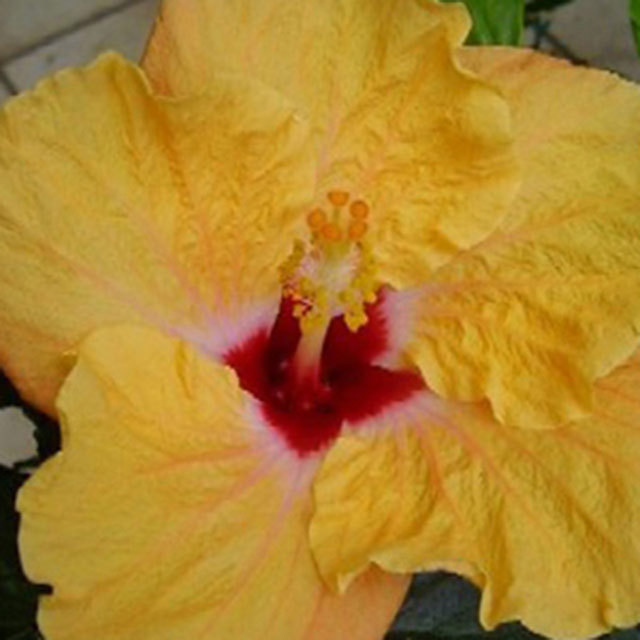
Hibiscus rosa sinensis Cheerleader Dutch Orange Brown Leaf Tips
eco Brown Leaf Tips

Hibiscus rosa sinensis Cheerleader Dutch Orange – Brown Leaf Tips

Why does your Hibiscus rosa sinensis Cheerleader Dutch Orange have brown leaf tips? Diagnose the cause and fix it with our step-by-step guide.

search Possible Causes

error

Salt or Fertilizer Buildup

Excessive accumulation of mineral salts from tap water or over-fertilization causes osmotic stress, pulling moisture out of the leaf margins. This is particularly common in 'Cheerleader' cultivars which are sensitive to high salinity levels.

Very Common
lightbulb
How to confirm: Check for a white, crusty residue on the soil surface or the edges of the pot.
build How to fix it
shopping_cart Recommended Products
1 Flush the soil thoroughly with distilled or rainwater to leach out accumulated mineral salts and excess fertilizer.
2 Check the soil moisture levels regularly using a moisture meter to ensure you are not overwatering, which can exacerbate salt-induced stress.
3 Repot the plant in fresh, high-quality potting soil to provide a clean environment free of existing salt buildup.
error

Inconsistent Watering (Drought Stress)

Hibiscus 'Cheerleader' requires consistent moisture to maintain its high metabolic rate; if the growing medium dries out completely, the plant sacrifices the leaf tips to conserve water. Rapid fluctuations between bone-dry and saturated soil can also cause this tissue death.

Very Common
lightbulb
How to confirm: Stick your finger two inches into the soil to see if it has reached a dry state before the tips turned brown.
build How to fix it
shopping_cart Recommended Products
1 Check the current moisture level of the soil to determine if the plant is currently in a drought state or if the soil is waterlogged.
2 Establish a consistent watering schedule, ensuring the soil remains moist but not saturated, and use a watering can with a precision nozzle to avoid disturbing the root zone.
3 To prevent future drought stress, consider adding perlite to your potting mix to improve water retention and aeration.
warning

Low Humidity

As a tropical species, this cultivar thrives in high humidity; dry indoor air or air conditioning can lead to rapid transpiration that the roots cannot keep up with. This results in the desiccation of the most distal parts of the leaf.

Common
lightbulb
How to confirm: Monitor if the browning correlates with the use of heaters or air conditioning in the room.
build How to fix it
shopping_cart Recommended Products
1 Increase local humidity around the plant by using a pebble tray or a fine misting spray bottle to hydrate the foliage.
2 Monitor soil moisture levels closely to ensure the plant is not also experiencing drought stress, as dry soil exacerbates low humidity issues.
3 Avoid placing the plant near air conditioning vents, heaters, or drafty windows that strip moisture from the air.
warning

Root Rot (Initial Stage)

While brown tips are often associated with dryness, overwatering leads to oxygen depletion in the rhizosphere. This damages root hairs, preventing the plant from transporting water effectively to the leaf extremities.

Common
lightbulb
How to confirm: Gently lift the plant from its pot to inspect if the roots are dark, slimy, or emitting an unpleasant odor.
build How to fix it
shopping_cart Recommended Products
1 Immediately reduce watering frequency and allow the top inch of soil to dry out completely before watering again to restore oxygen to the root zone.
2 Check for drainage efficiency; ensure the plant is in a container with adequate drainage holes and consider adding perlite to the soil to improve aeration.
3 Repot the plant in a fresh, well-draining potting mix to remove any decaying organic matter and prevent further fungal spread.

Other Hibiscus rosa sinensis Cheerleader Dutch Orange problems

Your plant might also be experiencing one of these issues:

local_hospital All symptoms eco All plants with brown leaf tips
favorite