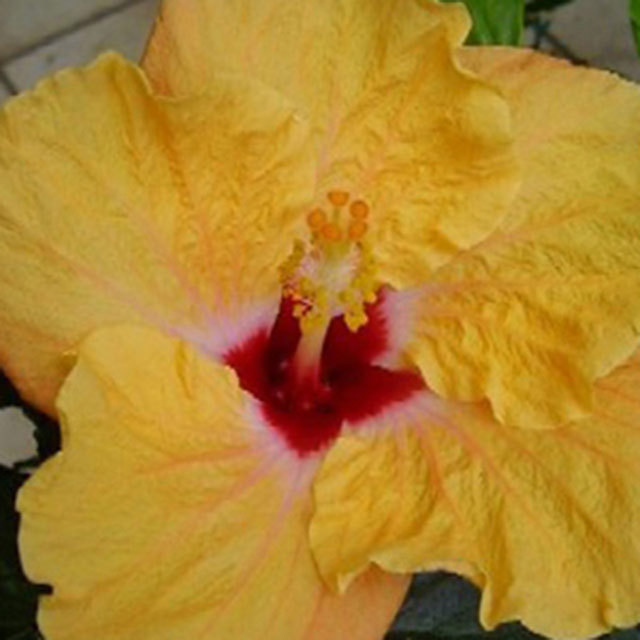
Hibiscus rosa sinensis Cheerleader Dutch Orange Sudden Leaf Drop
eco Sudden Leaf Drop

Hibiscus rosa sinensis Cheerleader Dutch Orange – Sudden Leaf Drop

Why does your Hibiscus rosa sinensis Cheerleader Dutch Orange have sudden leaf drop? Diagnose the cause and fix it with our step-by-step guide.

search Possible Causes

error

Temperature Shock or Drafts

Hibiscus 'Cheerleader' varieties are highly sensitive to sudden changes in ambient temperature. A rapid drop in temperature or exposure to cold drafts from air conditioning can trigger an immediate stress response, leading the plant to shed leaves to conserve energy.

Very Common
lightbulb
How to confirm: Check if the plant was recently moved to a cooler location or placed near an AC vent/window.
build How to fix it
shopping_cart Recommended Products
1 Immediately move the plant away from cold drafts, air conditioning vents, or drafty windows to a stable, warm environment.
2 Maintain a consistent temperature between 60°F and 85°F to help the plant stabilize and prevent further stress.
3 Monitor soil moisture closely using a moisture meter to ensure the plant isn't overwatered while in its stressed, non-foliating state.
error

Watering Irregularity (Drought or Waterlogging)

This cultivar requires consistent moisture but cannot tolerate 'wet feet.' Sudden leaf drop often occurs when the soil dries out completely between waterings or, conversely, when roots begin to suffocate due to poor drainage, causing cellular collapse.

Very Common
lightbulb
How to confirm: Insert your finger 2 inches into the soil; if it is bone dry or extremely muddy, watering is the culprit.
build How to fix it
shopping_cart Recommended Products
1 Check the current soil moisture level by inserting a probe to determine if the plant is suffering from drought or waterlogging.
2 Ensure the plant is in a well-draining container and repot with a high-porosity medium like a mix containing perlite to prevent future root suffocation.
3 Establish a consistent watering schedule, ensuring the soil remains moist but never saturated, and use a saucer to catch excess water.
warning

Spider Mites (Tetranychidae)

Small arachnids feed on the underside of the leaves, injecting saliva that disrupts photosynthesis. Heavy infestations cause the foliage to yellow and eventually drop as the plant's nutrient supply is depleted.

Common
lightbulb
How to confirm: Inspect the undersides of the leaves for tiny moving dots or fine silk webbing.
build How to fix it
shopping_cart Recommended Products
1 Apply an organic miticide to eliminate the spider mite population and prevent further feeding on leaf undersides.
2 Increase humidity around the foliage and wipe leaves with a damp cloth to physically remove remaining mites and dust.
3 Monitor soil moisture levels closely to ensure the plant is not experiencing secondary stress from overwatering during treatment.
warning

Nutrient Deficiency (Specifically Nitrogen)

If the plant has been in the same container for a long time, it may have depleted its available nitrogen. A lack of nitrogen prevents the maintenance of older leaves, causing them to turn pale and detach.

Common
lightbulb
How to confirm: Observe if the oldest leaves (at the bottom) are turning yellow before falling off.
build How to fix it
shopping_cart Recommended Products
1 Apply a nitrogen-rich liquid fertilizer to provide immediate nutrient uptake and help green up pale leaves.
2 Check the soil moisture levels using a moisture meter to ensure the leaf drop isn't actually caused by overwatering or underwatering.
3 If the plant has been in the same pot for over a year, repot it with fresh, nutrient-dense potting soil to replenish depleted minerals.

Other Hibiscus rosa sinensis Cheerleader Dutch Orange problems

Your plant might also be experiencing one of these issues:

local_hospital All symptoms eco All plants with sudden leaf drop
favorite