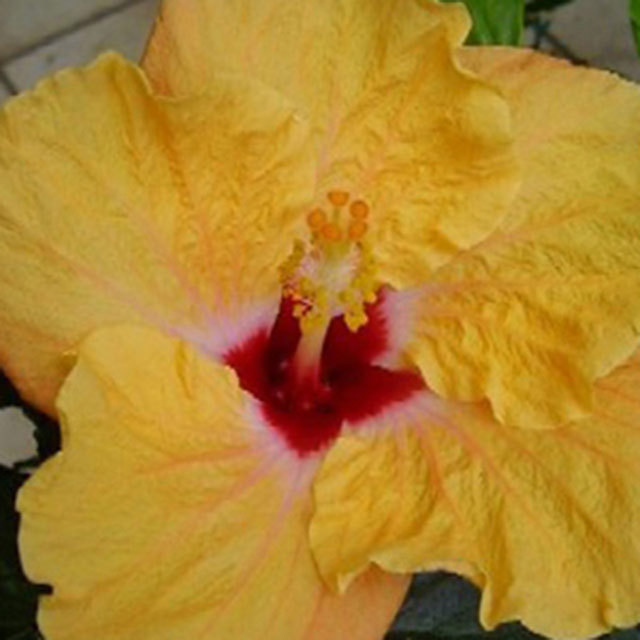
Hibiscus rosa sinensis Cheerleader Dutch Orange Leggy Stems
eco Leggy Stems

Hibiscus rosa sinensis Cheerleader Dutch Orange – Leggy Stems

Why does your Hibiscus rosa sinensis Cheerleader Dutch Orange have leggy stems? Diagnose the cause and fix it with our step-by-step guide.

search Possible Causes

error

Insufficient Light Exposure

Hibiscus 'Cheerleader' varieties are sun-loving plants that require at least 6-8 hours of direct sunlight; low light causes etiolation, where stems stretch excessively to find a light source.

Very Common
lightbulb
How to confirm: Observe if the internodes (the space between leaves) are significantly longer than they were during peak summer growth.
build How to fix it
shopping_cart Recommended Products
1 Move your Hibiscus to a location that receives at least 6 to 8 hours of direct sunlight daily to stop stems from stretching.
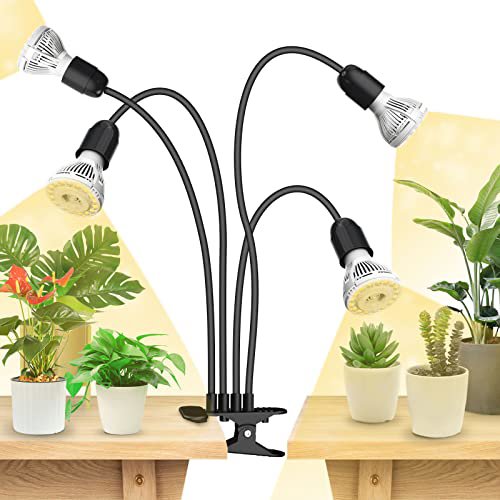
2 Supplement with a full-spectrum grow light to provide the necessary intensity for compact, healthy growth.
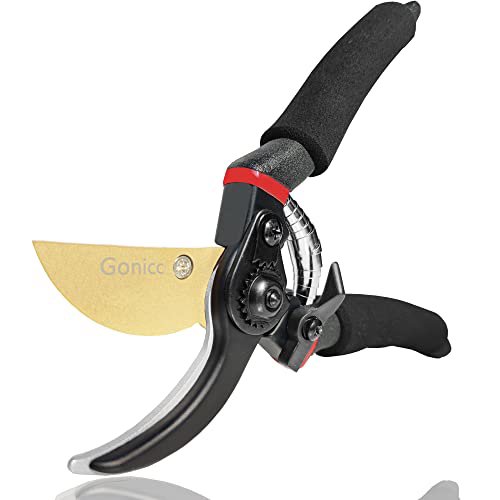
3 Prune the elongated, leggy stems using sharp shears to encourage bushier growth and better light penetration.
warning

Excessive Nitrogen Fertilization

High levels of nitrogen promote rapid, succulent vegetative growth which can lead to weak, spindly stems that lack the structural integrity typical of compact 'Cheerleader' cultivars.

Common
lightbulb
How to confirm: Check your fertilizer label for high first-number (N) ratings and look for dark green, soft, rapidly expanding leaves.
build How to fix it
shopping_cart Recommended Products
1 Flush the soil with plenty of fresh water to leach out excess nitrogen salts from the root zone.
2 Transition to a balanced or lower-nitrogen fertilizer to encourage sturdier growth and structural integrity.
3 Prune back the leggy, spindly stems to encourage bushier growth and more compact development.
warning

Improper Pruning Regimen

Lack of regular pinching or pruning prevents the lateral buds from developing, allowing the main apical dominance to create a single, elongated stem structure.

Common
lightbulb
How to confirm: Examine the plant for a lack of side branching and determine if the tips have been pinched back in the last growing season.
build How to fix it
shopping_cart Recommended Products
1 Prune the elongated stems by cutting back just above a healthy node to encourage lateral bud development and a bushier structure.
2 Regularly pinch off the growing tips of new shoots to break apical dominance and promote side branching.
3 Ensure the plant receives adequate light to prevent further stretching, using a full-spectrum grow light if indoor lighting is insufficient.
warning

Water Stress (Inconsistent Moisture)

Fluctuating between extreme drought and waterlogging can stress the plant's vascular system, leading to irregular growth spurts and weakened stem development.

Common
lightbulb
How to confirm: Check the soil moisture levels at a depth of 2 inches to see if there is a pattern of complete drying followed by heavy saturation.
build How to fix it
shopping_cart Recommended Products
1 Stabilize the watering schedule by using a moisture meter to ensure the soil remains consistently moist but not waterlogged, preventing the cycle of drought and waterlogging.
2 Apply a balanced liquid fertilizer to provide the necessary nutrients for strengthening the plant's vascular system and stem structure.
3 Prune the leggy, weakened stems using sharp, clean shears to encourage bushier, more robust new growth.

Other Hibiscus rosa sinensis Cheerleader Dutch Orange problems

Your plant might also be experiencing one of these issues:

local_hospital All symptoms eco All plants with leggy stems
favorite