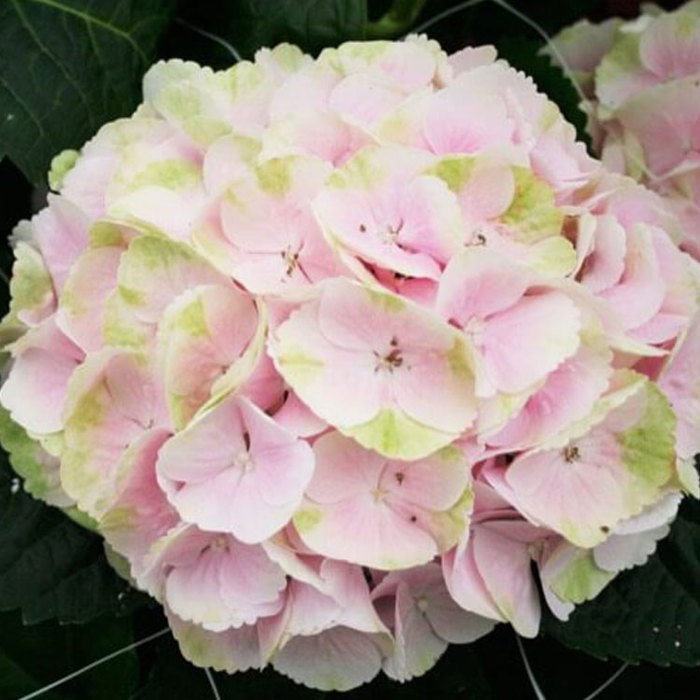
Hydrangea macrophylla Magical Blossom Drooping Leaves
eco Drooping Leaves

Hydrangea macrophylla Magical Blossom – Drooping Leaves

Why does your Hydrangea macrophylla Magical Blossom have drooping leaves? Diagnose the cause and fix it with our step-by-step guide.

search Possible Causes

error

Underwatering / Drought Stress

Hydrangeas have large, thin leaves with high transpiration rates, making them extremely sensitive to moisture deficits. When soil moisture is low, the plant loses turgor pressure rapidly, causing the characteristic wilted appearance.

Very Common
lightbulb
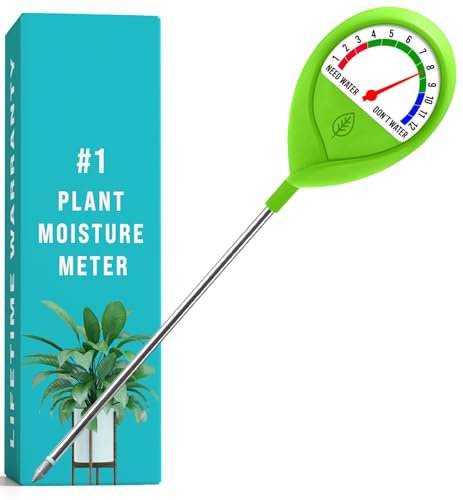
How to confirm: Check the soil depth about 2 inches down; if it feels dry and the leaves perk up after a deep watering, it was drought stress.
build How to fix it
shopping_cart Recommended Products
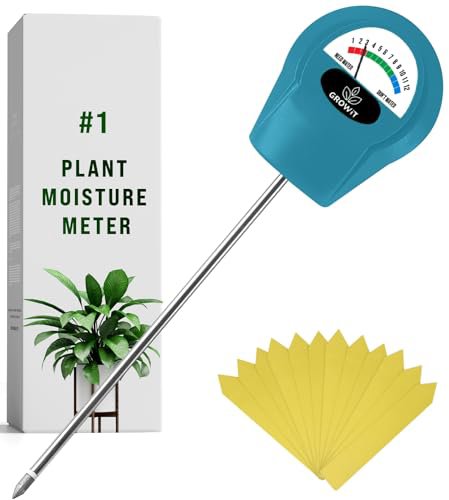
1 Immediately check the soil moisture level at the root zone to confirm the severity of the drought stress.
2 Thoroughly soak the soil with water until it drains from the bottom of the pot, ensuring the entire root ball is saturated.
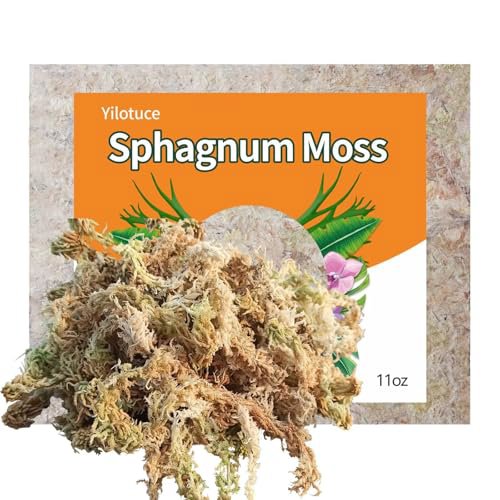
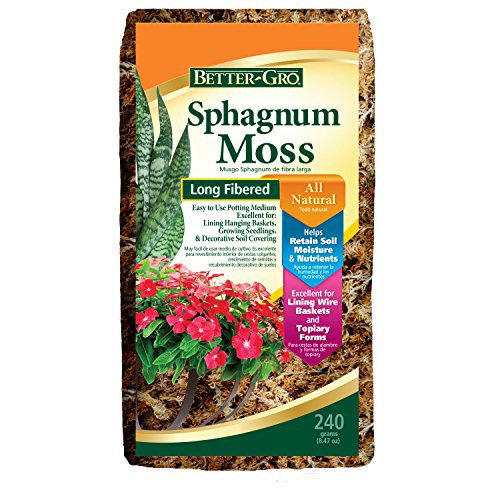
3 To prevent future rapid evaporation, apply a layer of organic mulch or sphagnum moss around the base of the plant.
error

Root Rot (Phytophthora)

Excessive moisture or poor drainage in the Magcial Blossom's container/soil leads to oxygen deprivation and fungal decay of the roots. This prevents the plant from absorbing water, causing leaves to droop even if the soil is wet.

Very Common
lightbulb
How to confirm: Gently lift the edge of the soil or pot to check if the roots are dark brown and slimy rather than firm and white.
build How to fix it
shopping_cart Recommended Products
1 Immediately inspect the roots for mushy, dark brown decay and trim away any rot using sterilized tools.
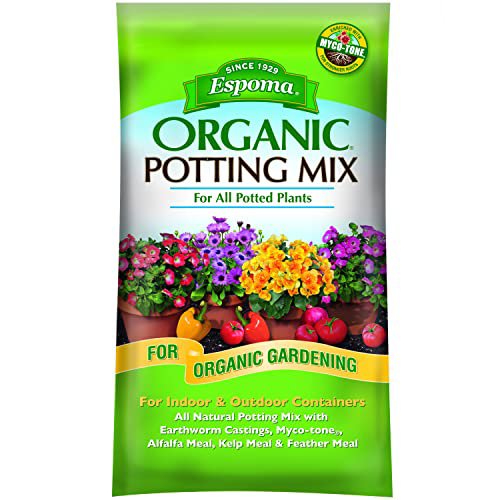
2 Repot the hydrangea into a fresh, well-draining medium and ensure the container has adequate drainage to prevent water pooling.
3 Amend the new soil with perlite to increase aeration and prevent future oxygen deprivation in the root zone.
warning

Heat Stress / Solar Scorch

The 'Magical Blossom' cultivar can suffer from leaf wilt when exposed to intense afternoon sun or sudden temperature spikes. This is a physiological response to prevent excessive water loss through the stomata.

Common
lightbulb
How to confirm: Observe if the drooping occurs specifically during the hottest part of the day and recovers in the cooler evening hours.
build How to fix it
shopping_cart Recommended Products
1 Move the plant to a location with dappled sunlight or afternoon shade to protect leaves from direct solar scorch.
2 Monitor soil hydration levels closely during heat spikes to ensure the root zone remains consistently moist but not waterlogged.
3 Apply a mulch layer around the base of the plant to help regulate soil temperature and reduce moisture evaporation.
warning

Nutrient Deficiency (Nitrogen or Iron)

A lack of essential nutrients can weaken the plant's structural integrity and hydraulic system. Specifically, iron chlorosis often accompanies drooping in acidic-loving hydrangeas when pH levels are imbalanced.

Common
lightbulb
How to confirm: Check if the leaves are also showing yellowing (interveinal chlorosis) alongside the wilting.
build How to fix it
shopping_cart Recommended Products
1 Check the soil pH and moisture levels to ensure the drooping isn't caused by dehydration or alkaline soil preventing iron uptake.
2 Apply a nitrogen-rich organic fertilizer to boost structural strength and leaf vigor.
3 Amend the soil with an acid-loving fertilizer to help correct iron availability and support the hydrangea's specific needs.

Other Hydrangea macrophylla Magical Blossom problems

Your plant might also be experiencing one of these issues:

local_hospital All symptoms eco All plants with drooping leaves
favorite