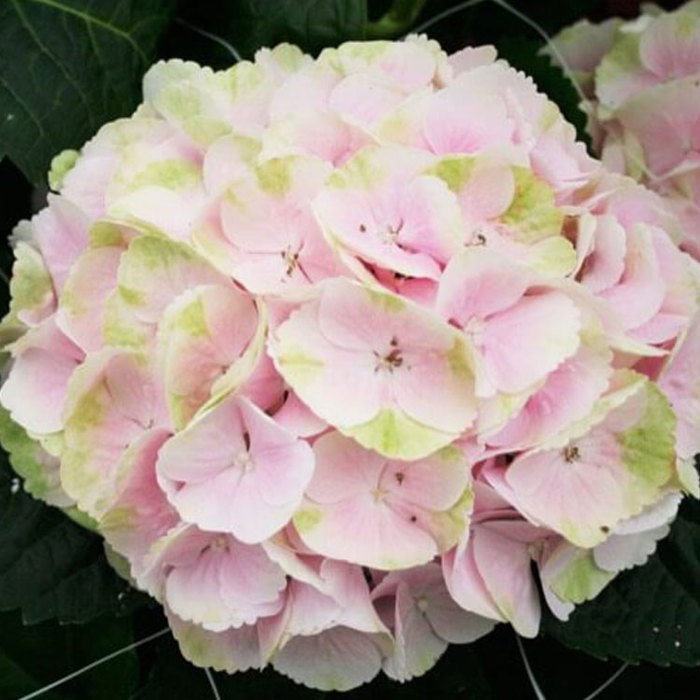
Hydrangea macrophylla Magical Blossom Yellow Leaves
eco Yellow Leaves

Hydrangea macrophylla Magical Blossom – Yellow Leaves

Why does your Hydrangea macrophylla Magical Blossom have yellow leaves? Diagnose the cause and fix it with our step-by-step guide.

search Possible Causes

error

Iron Chlorosis (Nutrient Deficiency)

In Hydrangea macrophylla, yellowing between the veins (interveinal chlorosis) while veins remain green is a classic sign of iron deficiency, often caused by high soil pH preventing uptake. This is particularly common in alkaline soils where iron becomes chemically unavailable to the plant.

Very Common
lightbulb
How to confirm: Check if the new growth is yellow with distinct green veins and test your soil pH; it should be between 5.2 and 6.2.
build How to fix it
shopping_cart Recommended Products
1 Apply an iron-rich supplement to the soil to directly address the iron deficiency and help restore green pigment to the leaves.
2 Monitor soil pH levels to ensure the environment remains acidic enough (ideally between 5.2 and 5.5) for the plant to effectively absorb iron.
3 Amend the soil with organic matter to help lower the pH and improve nutrient availability.
error

Overwatering and Root Suffocation

Excessive moisture in the substrate leads to anaerobic conditions, causing root rot which prevents the hydrangea from transporting nutrients. This typically manifests as uniform yellowing of older leaves followed by wilting despite moist soil.

Very Common
lightbulb
How to confirm: Insert your finger 2 inches into the soil; if it feels saturated and smells sour/musty, reduce watering frequency.
build How to fix it
shopping_cart Recommended Products
1 Immediately reduce watering frequency and allow the top inch of soil to dry out completely before watering again to prevent further root rot.
2 Repot the hydrangea into a well-draining medium by mixing existing soil with perlite or horticultural perlite to improve aeration and drainage.
3 Prune away any mushy, blackened, or dead roots discovered during repotting to stop the spread of decay.
warning

Nitrogen Deficiency

A lack of nitrogen causes the entire leaf to turn a pale yellow, starting with the older, bottom leaves. This is common in 'Magical' series hydrangeas if they are planted in depleted soil or have not been fertilized during the active growing season.

Common
lightbulb
How to confirm: Observe if the yellowing started on the oldest leaves at the base of the plant and apply a balanced, water-soluble fertilizer.
build How to fix it
shopping_cart Recommended Products
1 Apply a nitrogen-rich liquid fertilizer to provide immediate nutrient uptake for the plant.
2 Amend the existing soil with an organic fertilizer to ensure a sustained release of nitrogen throughout the growing season.
3 Monitor soil moisture levels to ensure the plant can effectively absorb the newly applied nutrients.
warning

Hydrangea Leaf Spot (Cercospora)

While primarily characterized by spots, severe fungal infections can cause localized chlorosis and eventual leaf yellowing. This occurs when high humidity or wet foliage provides the perfect environment for fungal spores to germinate.

Common
lightbulb
How to confirm: Inspect the undersides of the yellow leaves for tiny dark spots or fungal fruiting bodies.
build How to fix it
shopping_cart Recommended Products
1 Remove and discard all heavily infected or yellowing leaves to prevent fungal spores from spreading to healthy foliage.
2 Apply an organic fungicide to control the spread of Cercospora and protect new growth.
3 Improve air circulation around the plant and avoid overhead watering to ensure foliage stays dry, reducing the humidity that fuels fungal growth.

Other Hydrangea macrophylla Magical Blossom problems

Your plant might also be experiencing one of these issues:

local_hospital All symptoms eco All plants with yellow leaves
favorite