Hydrangea macrophylla Magical Blossom Sudden Leaf Drop
eco Sudden Leaf Drop

Hydrangea macrophylla Magical Blossom – Sudden Leaf Drop

Why does your Hydrangea macrophylla Magical Blossom have sudden leaf drop? Diagnose the cause and fix it with our step-by-step guide.

search Possible Causes

error

Water Stress (Drought or Overwatering)

Hydrangeas are highly sensitive to soil moisture fluctuations; sudden leaf drop is a primary defense mechanism used when the roots are either drowning in anaerobic conditions or desiccating due to lack of water.

Very Common
lightbulb
How to confirm: Insert your finger two inches into the soil to check if it is bone dry or saturating deeply.
build How to fix it
shopping_cart Recommended Products
1 Check the soil moisture level immediately by inserting a probe into the root zone to determine if the soil is bone-dry or waterlogged.
2 If the soil is dry, thoroughly soak the plant with a watering can; if the soil is saturated, allow it to dry out and ensure the pot has proper drainage.
3 To prevent future fluctuations, consider repotting into a well-draining medium and using a saucer to catch excess water.
error

Temperature Shock

Sudden exposure to frost, extreme heatwaves, or rapid temperature swings can cause 'Magical Blossom' varieties to shed leaves to protect the main stem and root system.

Very Common
lightbulb
How to confirm: Check recent local weather patterns for sudden drops in temperature or periods of extreme-high heat.
build How to fix it
shopping_cart Recommended Products
1 Move the plant to a stable environment protected from extreme temperature swings, such as a shaded area or a climate-controlled indoor space.
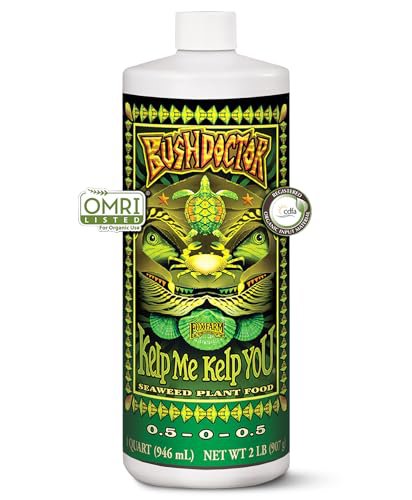
2 Apply a liquid seaweed fertilizer to help the plant recover from environmental stress and boost root resilience.
3 Monitor soil moisture closely to ensure the roots remain hydrated but not waterlogged during this recovery period.
warning

Root Rot (Phytophthora)

In poorly draining soil, fungal pathogens can attack the root system of Hydrangea macrophylla, leading to a loss of vascular integrity and subsequent leaf shedding.

Common
lightbulb
How to confirm: Gently lift the edge of the soil to see if the roots appear dark brown or slimy instead of firm and white/tan.
build How to fix it
shopping_cart Recommended Products
1 Immediately inspect the roots for mushy, dark brown, or foul-smelling decay and prune away any dead sections using sterilized tools.
2 Repot the plant in a fresh, highly aerated medium to prevent further fungal growth; mixing in perlite or clay pebbles will improve drainage.
3 Apply a fungicide to the soil and foliage to combat the Phytophthora pathogen and prevent the spread of the infection.
warning

Pest Infestation (Aphids or Spider Mites)

Heavy feeding by sucking insects can weaken the plant's ability to maintain foliage, often leading to premature leaf senescence and drop.

Common
lightbulb
How to confirm: Inspect the undersides of the remaining leaves for tiny moving dots or fine webbing.
build How to fix it
shopping_cart Recommended Products
1 Inspect the undersides of leaves and new growth for tiny moving insects or fine webbing to confirm the presence of aphids or spider mites.
2 Apply an organic insecticide spray to the entire plant, ensuring thorough coverage of the foliage to eliminate the pest population.
3 Monitor soil moisture levels using a meter to ensure the plant is not also experiencing water stress, which can exacerbate leaf drop.

Other Hydrangea macrophylla Magical Blossom problems

Your plant might also be experiencing one of these issues:

local_hospital All symptoms eco All plants with sudden leaf drop
favorite