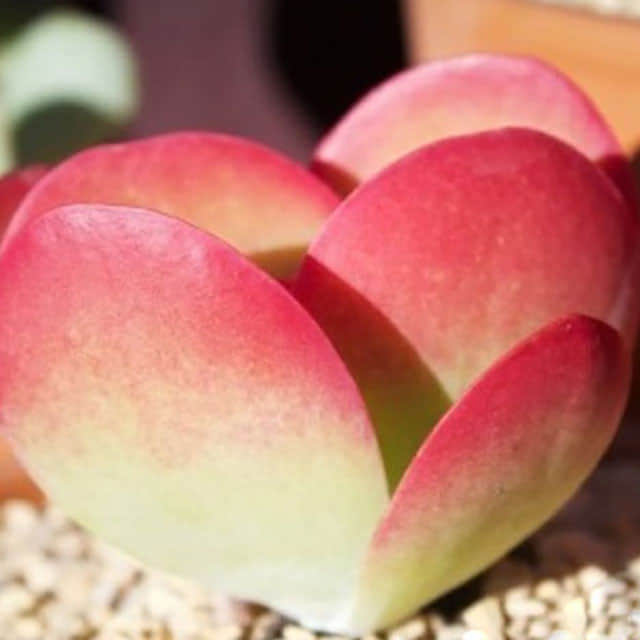
Kalanchoe thyrsiflora Brown Leaf Tips
eco Brown Leaf Tips

Kalanchoe thyrsiflora – Brown Leaf Tips

Why does your Kalanchoe thyrsiflora have brown leaf tips? Diagnose the cause and fix it with our step-by-step guide.

search Possible Causes

error

Low Humidity and Dry Air

Kalanchoe thyrsiflora are succulents that prefer moderate humidity; extremely dry indoor air can cause the moisture at the leaf margins to evaporate faster than the plant can replace it.

Very Common
lightbulb
How to confirm: Check if the tips turn brittle and crispy, especially during winter months when indoor heating is active.
build How to fix it
shopping_cart Recommended Products
1 Increase local humidity around the plant by using a pebble tray or a humidifier to prevent further moisture loss from leaf margins.
2 Mist the foliage occasionally with a fine spray to provide immediate surface hydration.
3 Monitor soil moisture levels closely to ensure the plant is not also experiencing drought stress, using a moisture meter for accuracy.
error

Salt Accumulation (Fertilizer or Tap Water Burn)

Excessive mineral salts from tap water or over-fertilizing can accumulate in the leaf tissues, causing osmotic stress that manifests as browning at the extremities.

Very Common
lightbulb
How to confirm: Look for a white, crusty residue on the soil surface or the edges of the leaves.
build How to fix it
shopping_cart Recommended Products
1 Flush the soil thoroughly with distilled or rainwater to leach out accumulated mineral salts from the potting medium.
2 Prune away the brown, necrotic leaf tips using sterilized shears to prevent further aesthetic damage and potential rot.
3 Transition to using a high-quality, well-draining substrate amended with perlite to improve salt flushing and prevent future buildup.
warning

Inconsistent Watering

Allowing the thick paddles to undergo extreme cycles of bone-dryness followed by heavy saturation can stress the plant's vascular system, leading to necrotic tips.

Common
lightbulb
How to confirm: Monitor if the browning occurs specifically after long periods of neglect followed by a sudden heavy watering.
build How to fix it
shopping_cart Recommended Products
1 Establish a consistent watering schedule by allowing the soil to dry out significantly between waterings, but avoid letting the plant remain bone-dry for extended periods.
2 Monitor soil moisture levels closely using a moisture meter to ensure you are watering only when the substrate is dry to the touch, preventing the cycle of saturation and drought.
3 Ensure the plant is in a well-draining potting medium, such as a mix containing perlite, to prevent water from pooling around the roots during heavy watering.
warning

Sunscald

While they love light, moving a Kalanchoe thyrsiflora from low light to intense, direct midday sun too quickly can cause localized tissue death at the leaf edges.

Common
lightbulb
How to confirm: Observe if the brown patches are located on the side of the paddle most directly exposed to the window or sun source.
build How to fix it
shopping_cart Recommended Products
1 Immediately move the plant to a location with bright, indirect light to prevent further tissue damage from intense UV rays.
2 Gradually acclimate the plant to higher light intensities over several weeks to build up sun tolerance.
3 Monitor soil moisture levels closely during the transition, as increased light can lead to faster evaporation.

Other Kalanchoe thyrsiflora problems

Your plant might also be experiencing one of these issues:

local_hospital All symptoms eco All plants with brown leaf tips
favorite