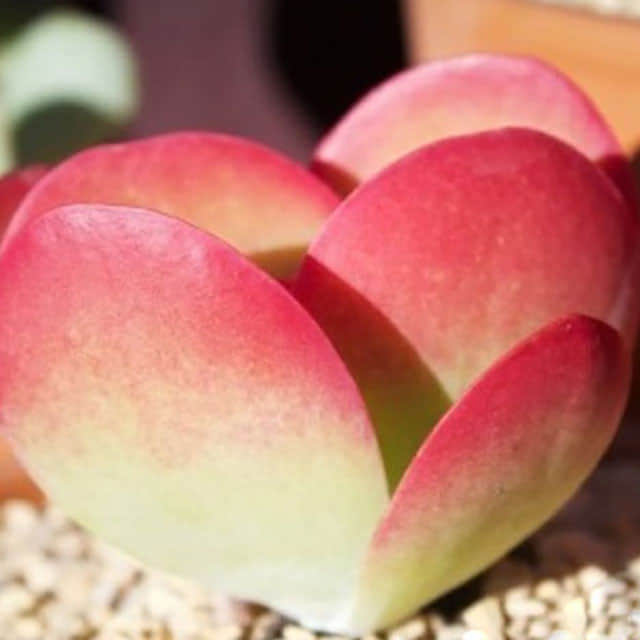
Kalanchoe thyrsiflora Drooping Leaves
eco Drooping Leaves

Kalanchoe thyrsiflora – Drooping Leaves

Why does your Kalanchoe thyrsiflora have drooping leaves? Diagnose the cause and fix it with our step-by-step guide.

search Possible Causes

error

Underwatering and Dehydration

As a succulent, Kalanchoe thyrsiflora stores water in its fleshy leaves; when soil moisture is depleted, the plant loses turgor pressure, causing the paddles to wilt or droop.

Very Common
lightbulb
How to confirm: Check the soil depth with your finger; if it is bone dry several inches down and the leaves feel thin/soft, the plant needs deep watering.
build How to fix it
shopping_cart Recommended Products
1 Immediately check the soil moisture level using a moisture meter to confirm the depth of dehydration.
2 Thoroughly soak the soil with water until it drains from the bottom of the pot to restore turgor pressure to the fleshy leaves.
3 Ensure the plant is in a container with excellent drainage, such as a Root & Vessel cylinder pot, to prevent future water stagnation or root rot.
error

Root Rot (Overwatering)

Excessive moisture in the substrate prevents oxygen from reaching the roots, leading to decay that physically prevents the plant from transporting water to the leaves.

Very Common
lightbulb
How to confirm: Gently lift the plant from its pot to inspect the roots; healthy roots should be firm and white/tan, while rotten roots will be black and slimy.
build How to fix it
shopping_cart Recommended Products
1 Immediately remove the plant from its current pot and inspect the roots for any mushy, black, or foul-smelling decay; prune away all damaged roots using sterilized tools.
2 Repot the plant in a fresh, well-draining substrate specifically designed for succulents, such as a mix containing perlite or pumice to ensure proper aeration.
3 Use a moisture meter to monitor the soil and ensure you only water when the substrate is completely dry to prevent future overwatering.
warning

Temperature Stress

Extreme heat or sudden cold drafts can cause physiological shock in Paddle Plants, leading to a loss of leaf rigidity as the plant struggles to regulate internal temperature.

Common
lightbulb
How to confirm: Observe if the drooping coincides with recent exposure to air conditioning vents, heaters, or outdoor temperatures below 50°F (10°C).
build How to fix it
shopping_cart Recommended Products
1 Relocate your plant to a stable environment away from cold drafts, air conditioning vents, or direct extreme heat to stabilize internal temperature.
2 Monitor soil moisture levels closely during temperature fluctuations to ensure the plant is not also experiencing drought stress.
3 Apply a microbial-based liquid fertilizer to help the plant recover from environmental stress and support root zone resilience.
warning

Nutrient Deficiency

A lack of essential minerals like Magnesium or Nitrogen can impair the structural integrity and metabolic processes required to maintain leaf turgidity.

Common
lightbulb
How to confirm: Look for other signs such as yellowing (chlorosis) between leaf veins or discoloration on the edges of the paddles.
build How to fix it
shopping_cart Recommended Products
1 Apply a liquid fertilizer to provide immediate access to essential minerals like Nitrogen and Magnesium.
2 Supplement the soil with a calcium and magnesium-rich fertilizer to strengthen cell walls and improve leaf turgidity.
3 Use a soil moisture meter to ensure the drooping is not actually caused by overwatering or underwatering, as root stress can mimic deficiency symptoms.

Other Kalanchoe thyrsiflora problems

Your plant might also be experiencing one of these issues:

local_hospital All symptoms eco All plants with drooping leaves
favorite