Kalanchoe thyrsiflora White Powder
eco White Powder

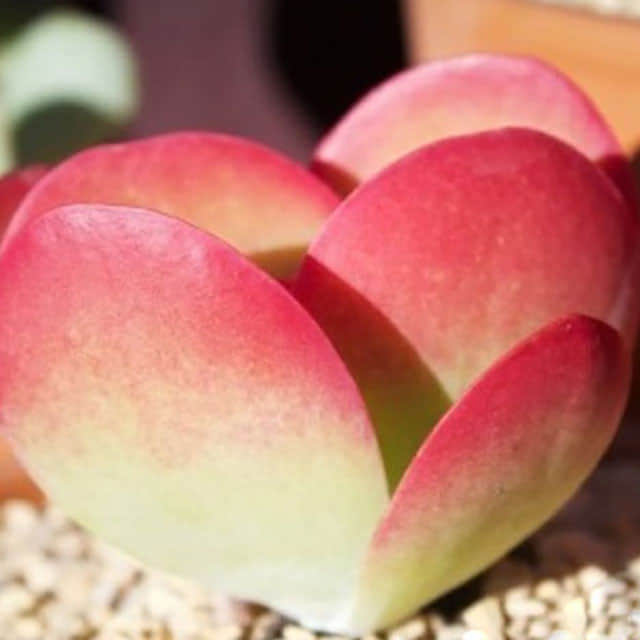
Kalanchoe thyrsiflora – White Powder

Why does your Kalanchoe thyrsiflora have white powder? Diagnose the cause and fix it with our step-by-step guide.

search Possible Causes

error

Powdery Mildew

A fungal pathogen that thrives in high humidity and poor air circulation around the fleshy paddles. It manifests as a white, flour-like coating on the surface of the leaves.

Very Common
lightbulb
How to confirm: Inspect if the white spots can be rubbed off easily with your finger or if they appear fuzzy.
build How to fix it
shopping_cart Recommended Products
1 Apply an organic fungicide to the affected leaves to eliminate the fungal pathogen and prevent further spread.
2 Prune and discard any heavily infected leaves to reduce the fungal load on the plant.
3 Improve air circulation around the plant and reduce humidity by avoiding overhead watering.
error

Mealybugs

Small, soft-bodied insects that secrete a white, waxy, cottony substance to protect themselves. They often hide in the crevices where the paddle meets the stem of the Kalanchoe.

Very Common
lightbulb
How to confirm: Use a magnifying glass to look for tiny moving insects or white cotton-like clusters in the leaf axils.
build How to fix it
shopping_cart Recommended Products
1 Isolate the plant immediately to prevent the mealybugs from spreading to other houseplants.
2 Use a cotton swab dipped in isopropyl alcohol to manually remove the white, cottony masses from the crevices of the stems.
3 Apply an organic insecticide spray to the plant to eliminate any remaining insects and larvae.
warning

Calcium/Mineral Deposits

Hard water or excessive fertilization can leave white, crusty residue on the surface of the succulent leaves as water evaporates. This is inorganic and does not spread like a disease.

Common
lightbulb
How to confirm: Check if the white patches are crusty/hard and if they coincide with recent watering or fertilizing cycles.
build How to fix it
1 Gently wipe the leaves with a soft, damp cloth or a cotton swab dipped in distilled water to remove the mineral crust without damaging the plant.
2 Switch to using distilled water, rainwater, or filtered water for future watering to prevent new calcium and mineral buildup.
3 Flush the soil with plenty of distilled water to leach out any excess mineral salts that may be accumulating in the root zone.
warning

Etiolation/Sunscald Scarring

Extreme environmental stress or sudden changes in light intensity can sometimes cause the epidermal cells of the paddle to bleach or form pale, dry patches that look like a powdery residue.

Common
lightbulb
How to confirm: Determine if the white areas feel dry and papery rather than fuzzy or sticky.
build How to fix it
shopping_cart Recommended Products
1 Gradually acclimate your plant to higher light intensity to prevent further sunscald, ensuring it receives bright, indirect light rather than sudden direct midday sun.
2 Monitor the soil moisture levels closely using a moisture meter to ensure the plant is not experiencing extreme drought stress, which can exacerbate tissue damage.
3 Avoid applying heavy fertilizers during this period of stress; instead, wait until new, healthy growth appears before using a gentle liquid seaweed fertilizer to boost resilience.

Other Kalanchoe thyrsiflora problems

Your plant might also be experiencing one of these issues:

local_hospital All symptoms eco All plants with white powder
favorite