Kalanchoe tomentosa Sudden Leaf Drop
eco Sudden Leaf Drop

Kalanchoe tomentosa – Sudden Leaf Drop

Why does your Kalanchoe tomentosa have sudden leaf drop? Diagnose the cause and fix it with our step-by-step guide.

search Possible Causes

error

Overwatering and Root Rot

Kalanchoe tomentosa is a succulent that requires well-draining soil; excessive moisture causes roots to suffocate and decay, leading to the rapid shedding of leaves. As the root system fails, it can no longer support the plant's foliage.

Very Common
lightbulb
How to confirm: Gently tug on a leaf to see if it pops off easily and check if the stems or roots feel soft/mushy.
build How to fix it
shopping_cart Recommended Products
1 Immediately remove the plant from its current pot and inspect the roots; trim away any mushy, black, or foul-smelling roots using sterilized tools.
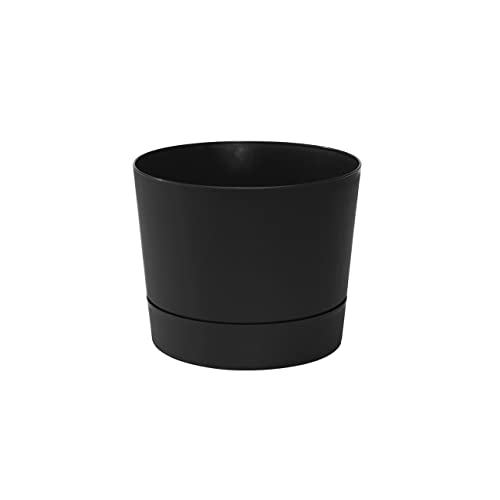
2 Repot the Kalanchoe in a fresh, well-draining succulent mix and use a container with excellent drainage, such as a Root & Vessel cylinder pot, to prevent future water pooling.
3 Amend the new soil with perlite to increase aeration and use a moisture meter to ensure the soil is completely dry before watering again.
error

Temperature Shock

This species is sensitive to sudden drops in temperature, especially drafts from air conditioners or cold windows. A rapid change in environment triggers a stress response that results in leaf abscission.

Very Common
lightbulb
How to confirm: Check if the plant has recently been moved near a window, vent, or door that experiences temperature fluctuations.
build How to fix it
shopping_cart Recommended Products
1 Immediately move your Kalanchoe to a stable environment away from cold drafts, air conditioning vents, or chilly windows to prevent further temperature fluctuations.
2 Monitor the soil moisture closely using a moisture meter to ensure the plant is not being overwatered while in this stressed state.
3 If the plant has been in the same pot for a long time, consider repotting with a well-draining medium like a mix containing perlite to support root health during recovery.
warning

Low Humidity/Dry Air

While they prefer low humidity, extreme dehydration of the atmosphere can cause the fuzzy trichomes to dry out and the plant to shed leaves to conserve moisture. This is common in heated indoor environments during winter.

Common
lightbulb
How to confirm: Observe if the remaining leaves feel brittle or if the air in the room has been particularly dry lately.
build How to fix it
shopping_cart Recommended Products
1 Increase local humidity around the plant by using a pebble tray or a humidifier to prevent the fuzzy leaves from drying out.
2 Mist the foliage occasionally with a fine spray to provide immediate moisture to the air surrounding the leaves.
3 Monitor soil moisture levels closely to ensure the plant is not also suffering from underwatering during this dry period.
warning

Pest Infestation (Mealybugs)

Small, white, cottony insects like mealybugs feed on the sap of Kalanchoe tomentosa, weakening the plant's vascular system. Severe infestations can cause the plant to drop leaves as it loses its ability to transport nutrients.

Common
lightbulb
How to confirm: Inspect the leaf axils and the undersides of the fuzzy leaves for tiny white, waxy clusters.
build How to fix it
shopping_cart Recommended Products
1 Isolate the plant immediately to prevent the spread of mealybugs to other greenery and treat the infestation with an organic insecticide spray.
2 Carefully wipe away visible white cottony clusters from the stems and leaf axils using a cotton swab dipped in isopropyl alcohol.
3 Monitor the soil moisture levels to ensure the plant is not being overwatered, as stress from excess moisture can exacerbate leaf drop.

Other Kalanchoe tomentosa problems

Your plant might also be experiencing one of these issues:

local_hospital All symptoms eco All plants with sudden leaf drop
favorite