Lycopersicon esculentum Fine Webbing
eco Fine Webbing

Lycopersicon esculentum – Fine Webbing

Why does your Lycopersicon esculentum have fine webbing? Diagnose the cause and fix it with our step-by-step guide.

search Possible Causes

error

Two-Spotted Spider Mite Infestation

These tiny arachnids thrive in warm, dry conditions and feed on the undersides of tomato leaves, excreting silk that creates characteristic fine webbing. As they multiply, you will notice stippling (small yellow dots) on the leaf surface.

Very Common
lightbulb
How to confirm: Hold a white piece of paper under a leaf and tap it to see if tiny specks fall off and move.
build How to fix it
shopping_cart Recommended Products
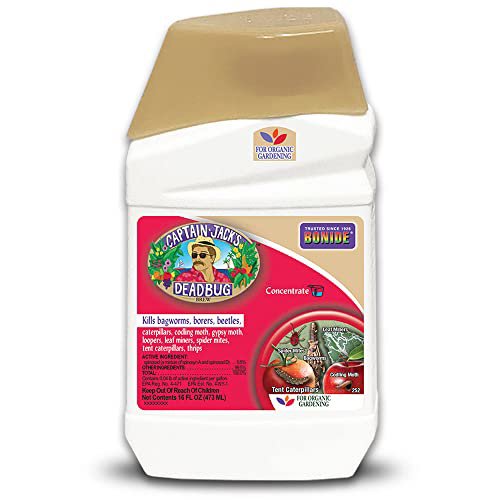
1 Apply an organic miticide to eliminate the spider mites and their eggs; Bonide Captain Jack's Neem Oil is highly effective for this purpose.
2 Increase humidity around the plant and ensure the soil remains consistently moist, as spider mites thrive in dry environments.
3 Check the soil moisture levels regularly using a moisture meter to prevent the dry conditions that trigger infestations.
error

Tetranychus urticae (Tetranychid Mite) Colony

Commonly known as the European Red Spider Mite, these pests create dense webbing around growing tips and fruit clusters in tomatoes. This webbing acts as a protective microhabitat for the mites to reproduce rapidly.

Very Common
lightbulb
How to confirm: Inspect the leaf undersides for small, reddish or yellowish moving dots near the web junctions.
build How to fix it
shopping_cart Recommended Products
1 Apply an organic insecticide to eliminate the mite colony and destroy eggs, larvae, and adults.
2 Increase humidity around the plant and wipe leaves with a damp cloth to physically remove webbing and discourage mite re-infestation.
3 Monitor soil moisture levels to ensure the plant is not under drought stress, as spider mites thrive in dry conditions.
warning

Extreme Low Humidity / Desiccation

While not a primary cause of webbing, very dry air can cause tomato foliage to become brittle and trap dust/debris that may mimic fine silk-like strands. This stress often makes the plant more susceptible to secondary mite attacks.

Common
lightbulb
How to confirm: Use a hygrometer to check if the ambient humidity in your growing area is consistently below 40%.
build How to fix it
shopping_cart Recommended Products
1 Inspect the undersides of leaves for tiny moving dots to rule out Spider Mites, which thrive in dry conditions; if pests are found, apply an organic insecticide spray.
2 Increase ambient humidity around the tomato plant by using a pebble tray or a fine misting bottle to prevent foliage from becoming brittle.
3 Monitor soil moisture levels closely to ensure the plant is not experiencing drought stress, which can exacerbate the effects of low humidity.

Other Lycopersicon esculentum problems

Your plant might also be experiencing one of these issues:

local_hospital All symptoms eco All plants with fine webbing
favorite