Lycopersicon esculentum Leggy Stems
eco Leggy Stems

Lycopersicon esculentum – Leggy Stems

Why does your Lycopersicon esculentum have leggy stems? Diagnose the cause and fix it with our step-by-step guide.

search Possible Causes

error

Insufficient Light Intensity

Commonly known as etiolation, tomato seedlings stretch excessively to search for a light source. This occurs when the photon flux density is too low to support robust stem development.

Very Common
lightbulb
How to confirm: Observe if the stems are pale and thin while leaning toward a specific window or light fixture.
build How to fix it
shopping_cart Recommended Products
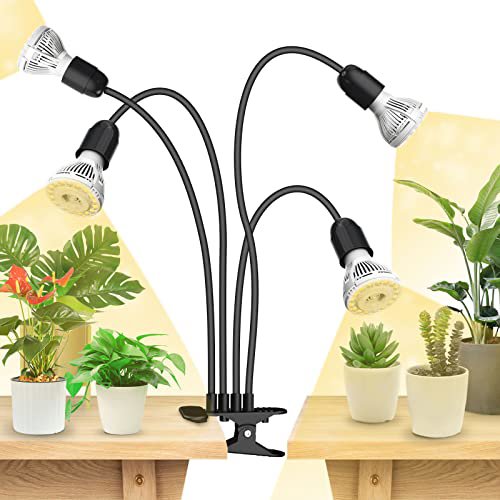
1 Increase light intensity immediately by placing the seedlings closer to a light source or using a full-spectrum grow light to provide adequate photon flux density.
2 Supplement existing lighting with a high-efficiency LED grow bulb to ensure all growth stages receive sufficient light for robust stem development.
3 Gently prune or pinch back the elongated stems to encourage lateral branching and more compact growth.
warning

Excessive Nitrogen (High N) in Soil

An imbalance of nutrients, specifically too much nitrogen relative to potassium, can promote rapid, succulent vegetative growth at the expense of structural stem strength.

Common
lightbulb
How to confirm: Check if the leaves are an unnaturally dark green while the stems remain weak and spindly.
build How to fix it
shopping_cart Recommended Products
1 Flush the soil with plenty of fresh water to leach out excess nitrogen from the root zone.
2 Apply a fertilizer with a higher potassium ratio to balance the nutrient levels and support stronger stem development.
3 Provide supplemental light to encourage more compact, sturdy growth and prevent further stretching.
warning

High Temperature/Heat Stress

Excessive heat in a greenhouse or indoor setting can accelerate metabolic rates, causing rapid cell elongation that outpaces the plant's ability to develop lignified stem tissue.

Common
lightbulb
How to confirm: Monitor ambient temperatures to see if they consistently exceed 85°F (29°C) during the seedling stage.
build How to fix it
shopping_cart Recommended Products
1 Reduce ambient temperature by providing shade or improving ventilation to slow down the plant's metabolic rate.
2 Supplement with supplemental lighting to provide a more intense light spectrum, which helps prevent rapid cell elongation.
3 Apply a balanced liquid fertilizer to support structural development and strengthen the plant's cell walls.
warning

Overwatering

Constant moisture in the growing medium can lead to reduced oxygen availability in the root zone, resulting in weakened root structures that cannot support upright stem growth.

Common
lightbulb
How to confirm: Insert your finger into the soil to check if the substrate remains saturated for long periods.
build How to fix it
shopping_cart Recommended Products
1 Reduce watering frequency and allow the top inch of soil to dry out completely before watering again to prevent root suffocation.
2 Improve soil aeration by mixing in horticultural perlite to enhance drainage and oxygen availability in the root zone.
3 Provide supplemental light to strengthen the stems, as insufficient light often exacerbates leggy growth in tomatoes.

Other Lycopersicon esculentum problems

Your plant might also be experiencing one of these issues:

local_hospital All symptoms eco All plants with leggy stems
favorite