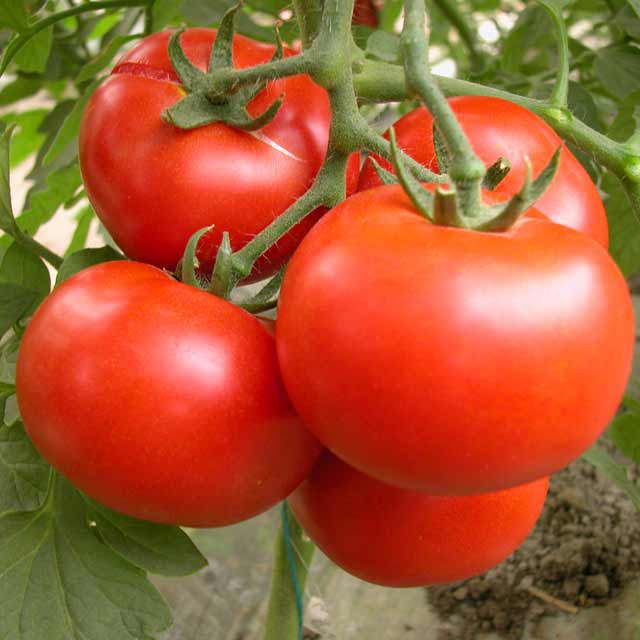
Why does your Lycopersicon esculentum have white powder? Diagnose the cause and fix it with our step-by-step guide.
This fungal disease, caused by Oidium neolycopersici, manifests as white, flour-like patches on the upper surfaces of tomato leaves. It thrives in high humidity and moderate temperatures, eventually causing leaves to yellow and drop.
Infestations of whiteflies can leave a sticky, white-looking residue or a fine dust of eggs/exuviae on the undersides of tomato foliage. These insects also excrete honeydew, which can promote secondary sooty mold growth.
Excessive use of fertilizers or hard water can lead to white, crusty mineral deposits on the soil surface or near the base of the tomato stem. This is not a biological pathogen but a physiological issue related to irrigation.
Your plant might also be experiencing one of these issues:

 English
 Italiano