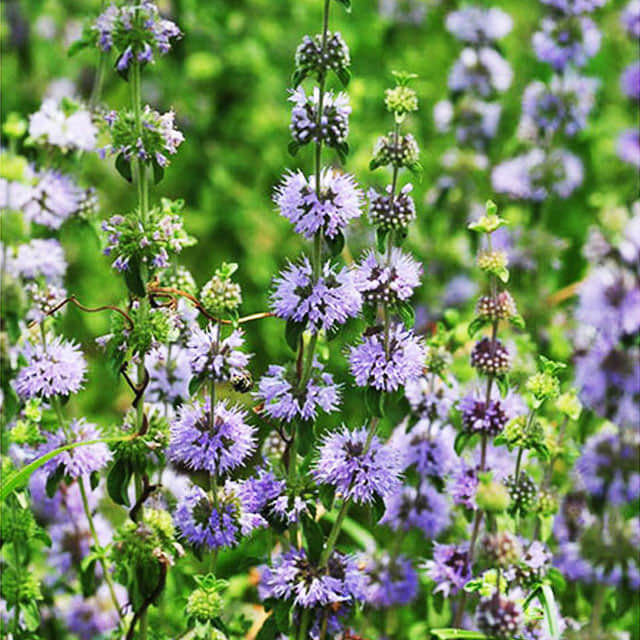
Mentha pulegium Drooping Leaves
eco Drooping Leaves

Mentha pulegium – Drooping Leaves

Why does your Mentha pulegium have drooping leaves? Diagnose the cause and fix it with our step-by-step guide.

search Possible Causes

error

Water Stress (Underwatering)

Mentha pulegium is a moisture-loving plant that lacks significant drought tolerance. When soil dries out, the turgor pressure in the leaves drops rapidly, causing visible wilting.

Very Common
lightbulb
How to confirm: Stick your finger one inch into the soil; if it feels dry and the stems are flexible, the plant needs immediate watering.
build How to fix it
shopping_cart Recommended Products
1 Immediately check the soil moisture level using a probe to confirm the depth of dryness.
2 Thoroughly water the plant until water drains from the bottom of the pot, ensuring the entire root ball is saturated.
3 To prevent future dehydration, consider using a self-watering system or a moisture-retaining substrate like vermiculite.
error

Root Rot (Overwatering/Poor Drainage)

While Pennyroyal loves moisture, stagnant water in heavy soil deprives roots of oxygen. This leads to fungal decay of the root system, preventing the plant from transporting water to the leaves.

Very Common
lightbulb
How to confirm: Check if the soil is saturated and smell for a sour or fermented odor coming from the pot.
build How to fix it
shopping_cart Recommended Products
1 Immediately remove the plant from its current container and inspect the roots for any mushy, black, or foul-smelling decay; prune away all damaged roots using sterilized shears.
2 Repot the plant in a fresh, well-draining medium and ensure the new container has adequate drainage holes to prevent water from pooling at the base.
3 Use a moisture meter to monitor the soil regularly, ensuring you only water when the top layer of soil feels dry to the touch to avoid future overwatering.
warning

Temperature Extremes (Heat Stress)

High ambient temperatures can cause transpiration rates to exceed the plant's water uptake capacity. This results in temporary drooping during the hottest parts of the day.

Common
lightbulb
How to confirm: Observe if the leaves recover and perk up once the temperature drops in the evening or early morning.
build How to fix it
shopping_cart Recommended Products
1 Move the plant to a cooler, shaded location or provide temporary shade during the peak heat of the day to reduce transpiration rates.
2 Monitor soil moisture levels closely to ensure the plant does not dry out completely during heat waves.
3 Apply a light mulch around the base of the plant to help regulate soil temperature and retain moisture.
warning

Pythium Root Rot

Oomycetes like Pythium thrive in the damp conditions preferred by Mentha pulegium. This pathogen attacks the root tissue, leading to systemic wilting that cannot be cured by watering.

Common
lightbulb
How to confirm: Carefully uproot a small section of the plant to see if the roots appear dark, slimy, or have lost their fine root hairs.
build How to fix it
shopping_cart Recommended Products
1 Immediately inspect the roots for mushy, brown, or foul-smelling tissue and prune away any decayed sections using sterilized tools.
2 Repot the plant in a fresh, well-draining medium enriched with beneficial microbes to combat the pathogen and prevent recurrence.
3 Improve aeration and drainage by adding horticultural perlite to the potting mix to ensure the soil does not remain waterlogged.

Other Mentha pulegium problems

Your plant might also be experiencing one of these issues:

local_hospital All symptoms eco All plants with drooping leaves
favorite