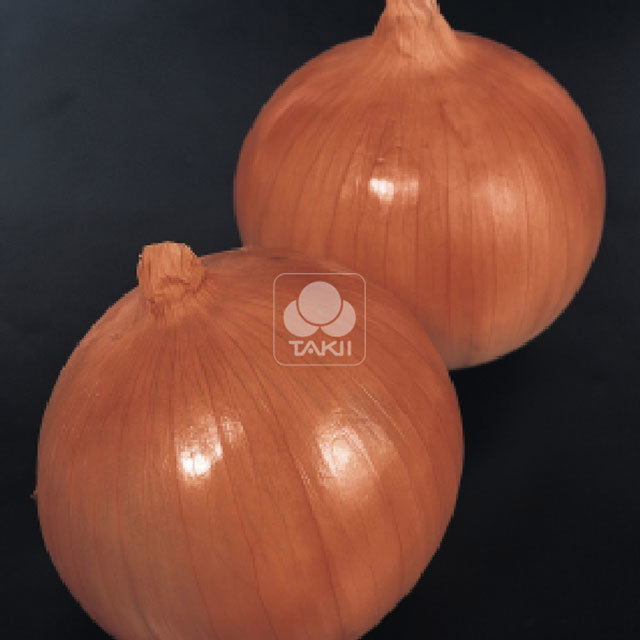
Onion Paraat F1 Leggy Stems
eco Leggy Stems

Onion Paraat F1 – Leggy Stems

Why does your Onion Paraat F1 have leggy stems? Diagnose the cause and fix it with our step-by-step guide.

search Possible Causes

error

Insufficient Light Intensity

Onion seedlings, including the Paraat F1 hybrid, undergo etiolation when light levels are too low. The plant stretches its stems rapidly to reach for a light source, resulting in weak, thin, and elongated stalks.

Very Common
lightbulb
How to confirm: Observe if the stems are pale and leaning towards a window or light source.
build How to fix it
shopping_cart Recommended Products
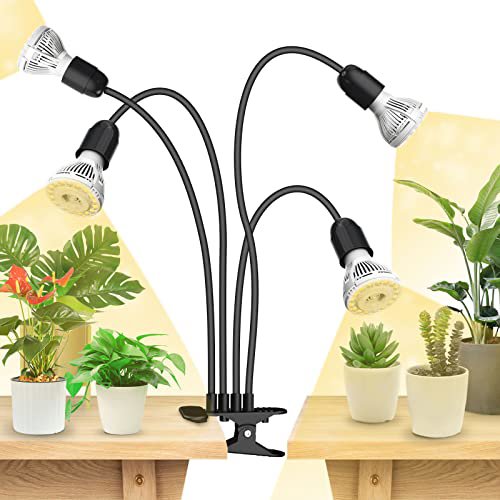
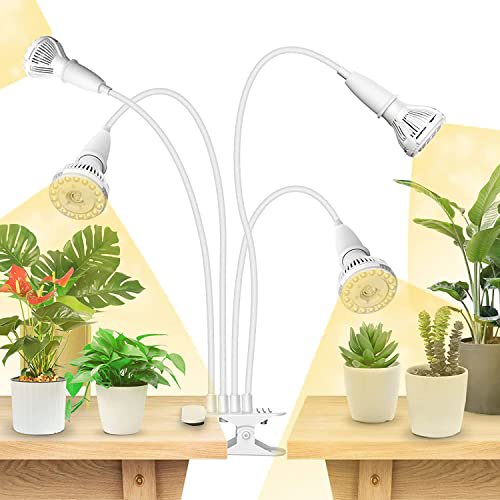
1 Increase light intensity immediately by placing seedlings closer to a light source or using a full-spectrum grow light to stop further stretching.
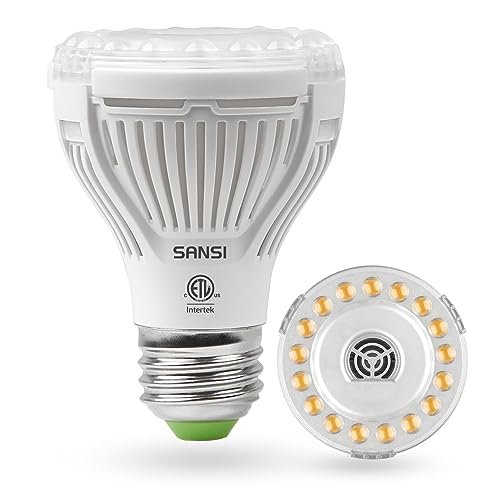
2 Supplement with a high-quality LED grow bulb to provide the necessary PAR for healthy, sturdy stem development.
3 Gently firm the soil around the base of the stems to provide structural support and prevent the seedlings from falling over.
error

Excessive Nitrogen Fertilization

Over-application of nitrogen-rich fertilizers promotes rapid vegetative growth at the expense of structural integrity. In Paraat F1, this leads to lush but spindly and structurally weak green tops.

Very Common
lightbulb
How to confirm: Check if the stems are dark green but exceptionally soft and prone to collapsing under their own weight.
build How to fix it
shopping_cart Recommended Products
1 Immediately cease all nitrogen-rich fertilization to prevent further rapid, weak growth.
2 Flush the soil with plain, well-drained water to leach out excess nitrogen salts from the root zone.
3 Amend the soil with a balanced or low-nitrogen organic matter to stabilize nutrient levels and improve structural strength.
warning

High Soil Moisture and Temperature

Warm soil combined with high humidity or overwatering can accelerate growth rates beyond the plant's ability to develop sturdy cell walls. This causes the onion necks to become elongated and less dense.

Common
lightbulb
How to confirm: Feel the substrate; if it remains saturated for long periods, growth is likely too rapid for structural development.
build How to fix it
shopping_cart Recommended Products
1 Reduce watering frequency to allow the soil to dry out between sessions, preventing the high moisture levels that cause rapid, weak growth.
2 Improve airflow around the base of the plants and ensure the growing environment is well-ventilated to lower humidity and soil temperature.
3 Supplement with a balanced fertilizer to help strengthen cell wall development and provide the structural nutrients needed for sturdier stems.
warning

High Planting Density

If Paraat F1 seeds are sown too closely together, competition for light and nutrients forces individual seedlings to grow taller and thinner to escape the shade of their neighbors.

Common
lightbulb
How to confirm: Examine the spacing between individual onion necks in the planting bed.
build How to fix it
shopping_cart Recommended Products
1 Thin out the seedlings by removing the smallest or weakest plants to reduce competition for light and nutrients.
2 Ensure the plants receive adequate full sunlight to prevent further stretching of the stems.
3 Apply a balanced liquid fertilizer to support stronger, more robust stem development.

Other Onion Paraat F1 problems

Your plant might also be experiencing one of these issues:

local_hospital All symptoms eco All plants with leggy stems
favorite