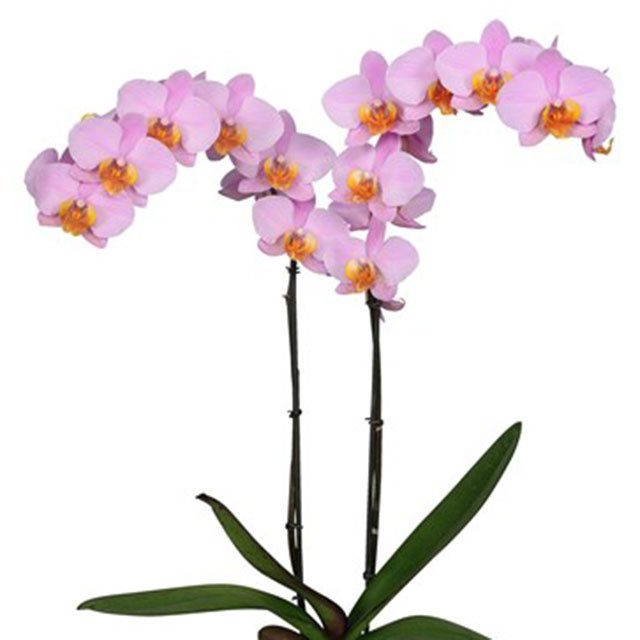
Phalaenopsis Beaumont Drooping Leaves
eco Drooping Leaves

Phalaenopsis Beaumont – Drooping Leaves

Why does your Phalaenopsis Beaumont have drooping leaves? Diagnose the cause and fix it with our step-by-step guide.

pets Pet Friendly

search Possible Causes

error

Root Rot (Overwatering)

Excessive moisture in the medium suffocates the roots, causing them to decay and rendering them unable to transport water to the leaves. This is the most common reason for loss of turgor pressure in Phalaenopsis orchids.

Very Common
lightbulb
How to confirm: Gently lift the plant from its pot to check if the roots are black, slimy, or hollow instead of firm and green/white.
build How to fix it
shopping_cart Recommended Products
1 Immediately remove the orchid from its current medium and inspect the roots; discard any mushy, black, or smelly roots, and trim healthy-looking roots with sterilized shears.
2 Repot the orchid in a fresh, well-draining medium specifically designed for epiphytes to ensure proper aeration and prevent future rot.
3 Use a moisture meter to monitor the substrate, ensuring you only water when the medium is nearly dry to avoid repeating the overwatering cycle.
error

Dehydration (Underwatering)

When the orchid's potting medium dries out completely for extended periods, the pseudobulbs and leaves lose moisture rapidly. This leads to a visible loss of structural integrity and wilting.

Very Common
lightbulb
How to confirm: Check if the medium is bone-dry and feel the leaves to see if they appear wrinkled or shriveled.
build How to fix it
shopping_cart Recommended Products
1 Immediately soak the orchid's potting medium in water for 15-20 minutes to ensure the roots and medium are fully rehydrated.
2 Monitor the soil moisture levels regularly using an analog meter to prevent the medium from drying out completely in the future.
3 Refresh the potting medium with a well-draining orchid-specific substrate like pine bark to improve moisture retention and aeration.
warning

Temperature Stress/Drafts

Phalaenopsis Beaumont is sensitive to sudden temperature fluctuations, especially cold drafts from air conditioning or windows. Rapid cooling causes the plant's metabolic processes to slow and cells to lose turgidity.

Common
lightbulb
How to confirm: Observe if the drooping coincided with a change in room temperature or proximity to a vent.
build How to fix it
shopping_cart Recommended Products
1 Move the orchid to a stable environment away from air conditioning vents, drafty windows, or heating elements to prevent further temperature fluctuations.
2 Maintain a consistent room temperature between 65°F and 80°F to help the plant restore cell turgidity and metabolic stability.
3 Monitor the substrate moisture levels to ensure the plant isn't also suffering from dehydration during this period of stress.
warning

Bacterial Soft Rot

Pathogenic bacteria can enter through damaged tissue, often triggered by water sitting in the crown of the orchid. This causes internal tissue breakdown which manifests as sudden drooping and softening of leaves.

Common
lightbulb
How to confirm: Inspect the base of the leaves and the crown for any dark, mushy, or foul-smelling lesions.
build How to fix it
shopping_cart Recommended Products
1 Immediately remove and discard any mushy, blackened, or decaying leaves to prevent the bacteria from spreading to healthy tissue.
2 Sterilize your cutting tools with alcohol and repot the orchid in a fresh, well-draining medium like Legigo Organic Leca Clay Pebbles or orchid bark to ensure maximum aeration.
3 Adjust your watering technique to avoid getting water in the crown of the plant, and use a moisture meter to ensure the substrate is not staying waterlogged.

Other Phalaenopsis Beaumont problems

Your plant might also be experiencing one of these issues:

local_hospital All symptoms eco All plants with drooping leaves
favorite