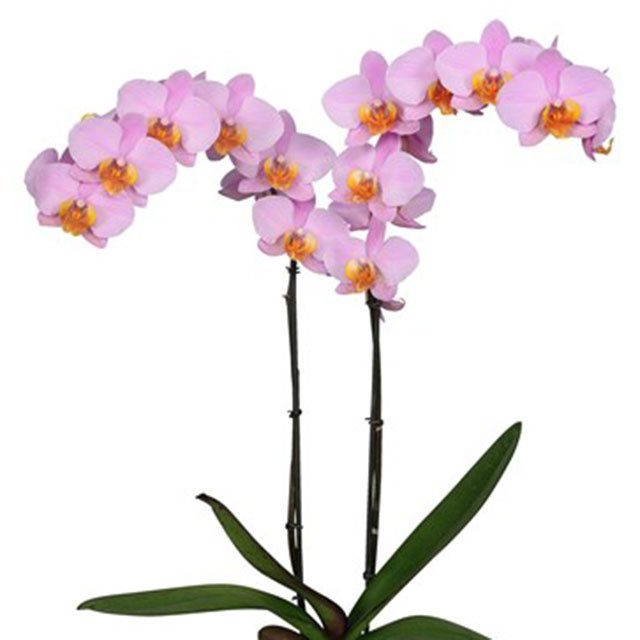
Phalaenopsis Beaumont Fine Webbing
eco Fine Webbing

Phalaenopsis Beaumont – Fine Webbing

Why does your Phalaenopsis Beaumont have fine webbing? Diagnose the cause and fix it with our step-by-step guide.

pets Pet Friendly

search Possible Causes

error

Spider Mites (Tetranychidae)

The presence of fine webbing is a classic hallmark of spider mite infestations, which thrive in the warm, dry conditions often found with Phalaenopsis orchids. These pests pierce individual plant cells to feed on sap, causing stippling and eventual leaf chlorosis.

Very Common
lightbulb
How to confirm: Hold a white piece of paper under a leaf and tap it sharply to see if tiny specks fall off and move.
build How to fix it
shopping_cart Recommended Products
1 Immediately spray the orchid with an organic miticide to eliminate existing spider mites and their eggs.
2 Wipe the leaves with a damp cloth to physically remove webbing and debris, then increase local humidity to make the environment less hospitable for mites.
3 Monitor soil moisture levels to ensure the plant is not under drought stress, which can weaken its defenses.
warning

Low Humidity (Physiological Stress)

While not producing silk, extremely low humidity can cause the plant's micro-environment to become dusty or attract opportunistic pests. In some cases, dried nectar or sap from stress can trap airborne fibers, mimicking a webbed appearance.

Common
lightbulb
How to confirm: Use a hygrometer to check if your ambient humidity levels are consistently below 40% for this orchid.
build How to fix it
shopping_cart Recommended Products
1 Inspect the plant closely for tiny moving organisms to rule out Spider Mites, which are often attracted to stressed plants; if pests are found, treat with an organic insecticide.
2 Increase the ambient humidity around the orchid by using a pebble tray or a humidifier to prevent further physiological stress.
3 Refresh the orchid's growing medium with well-draining bark to ensure roots can access moisture and oxygen effectively.
warning

Thrips Infestation (Secondary Effect)

While thrips primarily cause silvery streaks and scarring on Phalaenopsis leaves, their feeding damage can sometimes attract secondary pests or cause the plant to produce sticky honeydew that traps dust and debris into web-like structures.

Common
lightbulb
How to confirm: Inspect the crevices of the leaf axils and the base of the flower spikes for tiny, slender, elongated insects.
build How to fix it
shopping_cart Recommended Products
1 Treat the orchid with an organic insecticide to eliminate the thrips and any secondary pests attracted to the feeding damage.
2 Gently wipe the leaves with a damp cloth to remove the sticky residue and debris trapped in the web-like structures.
3 Ensure the orchid is potted in a well-draining medium like orchid bark to prevent further plant stress.

Other Phalaenopsis Beaumont problems

Your plant might also be experiencing one of these issues:

local_hospital All symptoms eco All plants with fine webbing
favorite