Phalaenopsis Beaumont Sticky Leaves
eco Sticky Leaves

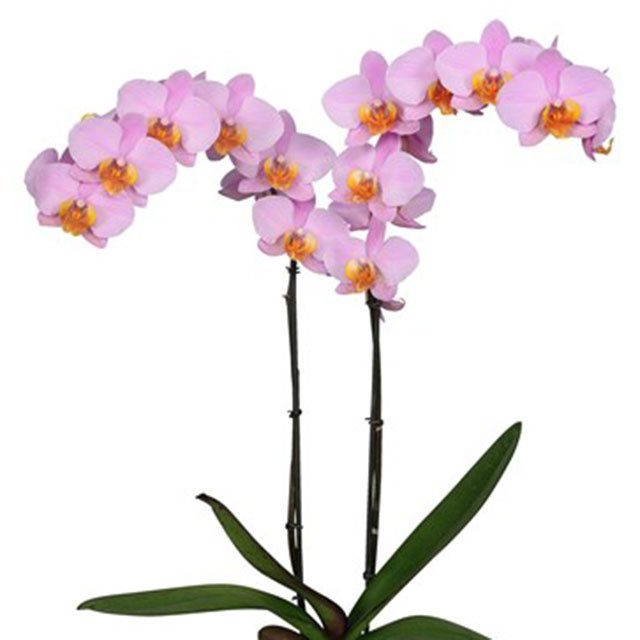
Phalaenopsis Beaumont – Sticky Leaves

Why does your Phalaenopsis Beaumont have sticky leaves? Diagnose the cause and fix it with our step-by-step guide.

pets Pet Friendly

search Possible Causes

error

Scale Insect Infestation

Small, armored insects attach to the underside of Phalaenopsis leaves and suck sap, excreting 'honeydew' which creates a sticky residue. This is common in humid environments where these pests thrive.

Very Common
lightbulb
How to confirm: Inspect the leaf undersides and stem junctions for small, brown, bump-like scales that do not move.
build How to fix it
shopping_cart Recommended Products
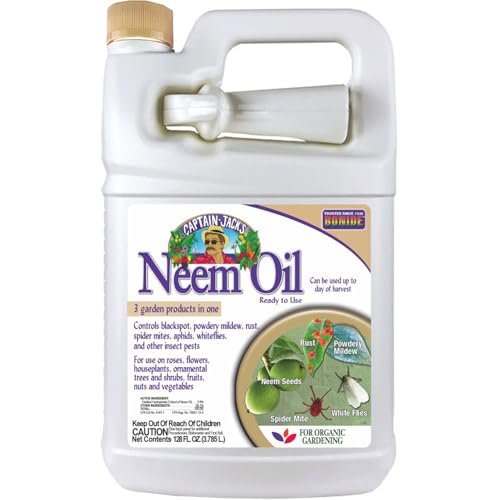
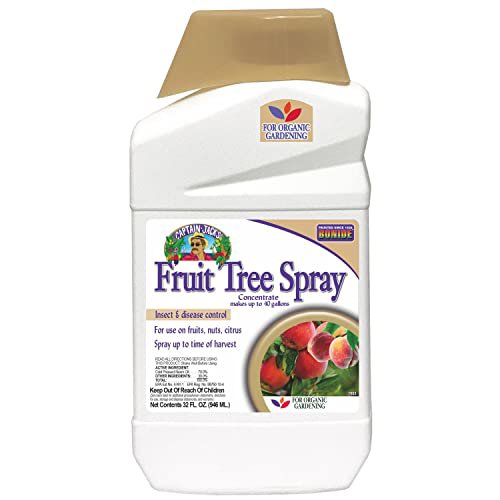
1 Immediately treat the orchid with an organic insecticide to eliminate the scale insects and stop the production of honeydew.
2 Carefully wipe the sticky residue and any visible armored insects off the leaves using a soft cloth and insecticidal soap or neem oil.
3 Improve airflow around the plant and monitor humidity levels to prevent the pest population from rebounding.
error

Aphid Infestation

Soft-bodied aphids cluster on new growth and flower spikes of Phalaenopsis, secreting sticky honeydew as they feed on plant fluids. This often causes stunted growth or distorted leaves alongside the stickiness.

Very Common
lightbulb
How to confirm: Look for tiny, green or black pear-shaped insects moving on new leaf tips or flower buds.
build How to fix it
shopping_cart Recommended Products
1 Immediately treat the orchid with an organic insecticide to eliminate the aphid population and stop the production of honeydew.
2 Gently wipe the sticky residue from the leaves using a soft cloth dampened with water or insecticidal soap to prevent fungal growth.
3 Inspect new growth and flower spikes closely, and if infestation persists, apply a targeted spray to the undersides of leaves.
warning

Mealybug Infestation

Mealybugs produce honeydew while feeding on orchid tissue, often accompanied by a white, cottony substance. They tend to hide in the crevices between the leaves and the rhizome.

Common
lightbulb
How to confirm: Search for small, white, waxy patches tucked into the leaf axils of the orchid.
build How to fix it
shopping_cart Recommended Products
1 Isolate the orchid immediately to prevent the spread of mealybugs to other plants and use a cotton swab dipped in isopropyl alcohol to manually remove visible white, cottony insects.
2 Apply an organic insecticide spray to the entire plant, ensuring you reach the crevices between leaves and the rhizome where pests hide.
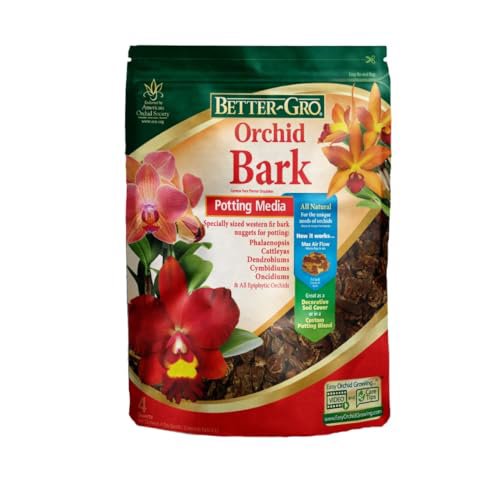
3 After the infestation is under control, repot the orchid using a fresh, well-draining medium like orchid bark to remove any remaining pests hiding in the substrate.
warning

Sooty Mold Growth

While not a primary cause, sooty mold is a black fungus that grows on the honeydew left behind by sap-sucking insects. The presence of black, powdery residue confirms a secondary insect issue.

Common
lightbulb
How to confirm: Check if the sticky residue is accompanied by a dark, soot-like coating on the leaf surface.
build How to fix it
shopping_cart Recommended Products
1 Identify and treat the underlying insect pest (such as aphids, scale, or mealybugs) using an organic insecticide to stop the production of honeydew.
2 Gently wipe the black, powdery residue off the leaves with a soft cloth dampened with water or a mild insecticidal soap to restore photosynthesis.
3 Improve air circulation around the orchid to prevent further fungal growth and ensure the leaves dry quickly after watering.

Other Phalaenopsis Beaumont problems

Your plant might also be experiencing one of these issues:

local_hospital All symptoms eco All plants with sticky leaves
favorite