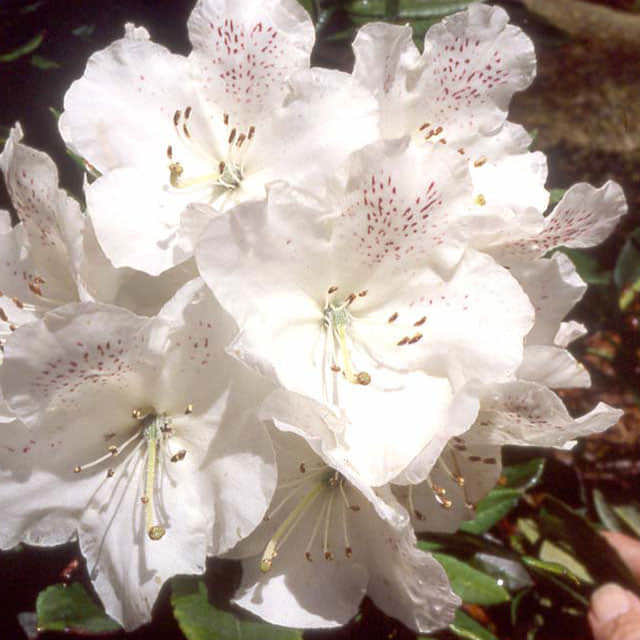
Rhododendron Aberconwayi Drooping Leaves
eco Drooping Leaves

Rhododendron Aberconwayi – Drooping Leaves

Why does your Rhododendron Aberconwayi have drooping leaves? Diagnose the cause and fix it with our step-by-step guide.

search Possible Causes

error

Root Rot (Phytophthora)

Overwatering or poorly draining soil leads to oxygen deprivation in the roots, causing fungal pathogens like Phytophthora to thrive. For a cultivar like 'Aberconwayi', which prefers consistent moisture but high drainage, this results in systemic wilt and drooping.

Very Common
lightbulb
How to confirm: Gently lift the plant from the pot or check deep into the soil; if the roots are brown, slimy, or have an unpleasant odor, it is root rot.
build How to fix it
shopping_cart Recommended Products
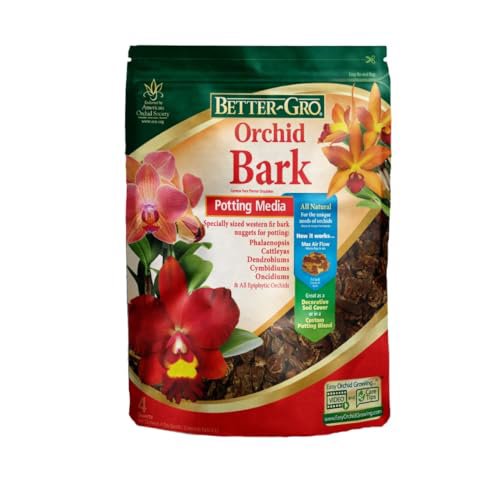
1 Immediately repot the plant in a highly aerated, well-draining medium to eliminate excess moisture around the roots.
2 Prune away any mushy, blackened, or dead roots using sterilized shears to prevent the spread of Phytophthora.
3 Monitor the soil moisture levels closely with a meter to ensure the substrate remains damp but never waterlogged.
error

Water Stress (Drought)

Rhododendron 'Aberconwayi' has relatively large leaves that lose moisture quickly through transpiration. If the substrate dries out completely, the plant loses turgor pressure, leading to characteristic drooping.

Very Common
lightbulb
How to confirm: Check the moisture level of the soil two inches below the surface; if it is bone dry, the plant needs immediate deep watering.
build How to fix it
shopping_cart Recommended Products
1 Immediately check the soil moisture level using a moisture meter to confirm the depth of the drought.
2 Thoroughly water the plant until water drains from the bottom, ensuring the entire root ball is saturated.
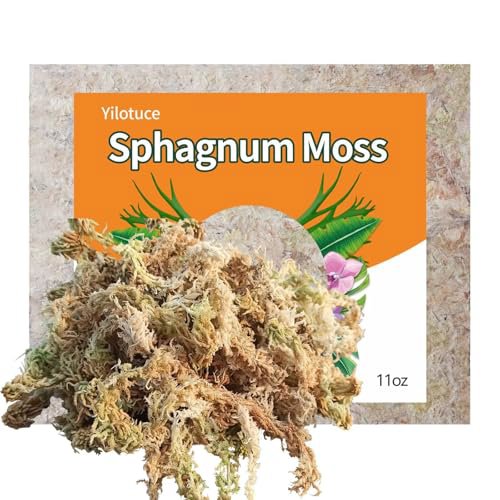
3 Apply a layer of organic mulch or sphagnum moss around the base to help retain soil moisture and prevent future drying.
warning

Foliar Desiccation (Low Humidity)

This cultivar thrives in humid environments. Dry air or high winds can cause moisture to evaporate from the leaf margins faster than the roots can replace it, causing the foliage to wilt.

Common
lightbulb
How to confirm: Observe if the drooping is accompanied by crispy, brown leaf edges during periods of low indoor humidity.
build How to fix it
shopping_cart Recommended Products
1 Increase local humidity around the plant by using a pebble tray or a fine misting tool to hydrate the foliage.
2 Monitor soil moisture levels closely to ensure the roots are providing enough water to counteract evaporation.
3 Move the plant away from direct drafts, heating vents, or high-wind areas to reduce moisture loss from the leaves.
warning

Fertilizer Burn

Excessive application of high-nitrogen fertilizers can lead to a buildup of salts in the soil. This creates osmotic stress, making it difficult for the roots to pull water into the plant, resulting in wilted leaves.

Common
lightbulb
How to confirm: Look for darkened or burnt leaf tips and check if you have recently applied a strong liquid fertilizer.
build How to fix it
shopping_cart Recommended Products
1 Flush the soil thoroughly with large amounts of fresh, low-mineral water to leach out accumulated fertilizer salts.
2 Check the soil moisture levels to ensure the plant is not also suffering from dehydration, using a moisture meter to verify.
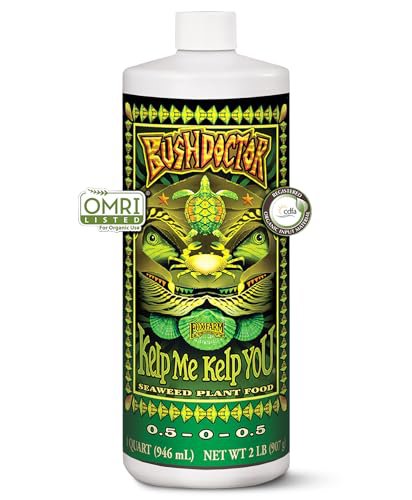
3 Avoid all nitrogen-rich fertilizers for several weeks and consider adding a diluted dose of a seaweed-based fertilizer to help the plant recover from stress.

Other Rhododendron Aberconwayi problems

Your plant might also be experiencing one of these issues:

local_hospital All symptoms eco All plants with drooping leaves
favorite