Rhododendron Aberconwayi Sudden Leaf Drop
eco Sudden Leaf Drop

Rhododendron Aberconwayi – Sudden Leaf Drop

Why does your Rhododendron Aberconwayi have sudden leaf drop? Diagnose the cause and fix it with our step-by-step guide.

search Possible Causes

error

Root Rot (Phytophthora species)

As an acid-loving cultivar, R. Aberconwayi is highly susceptible to waterlogged soil which encourages Phytophthora pathogens. This leads to root decay, preventing the plant from supporting its foliage, resulting in rapid leaf senescence and drop.

Very Common
lightbulb
How to confirm: Gently lift the edge of the root ball to check if the roots are dark, slimy, or emitting a foul odor.
build How to fix it
shopping_cart Recommended Products
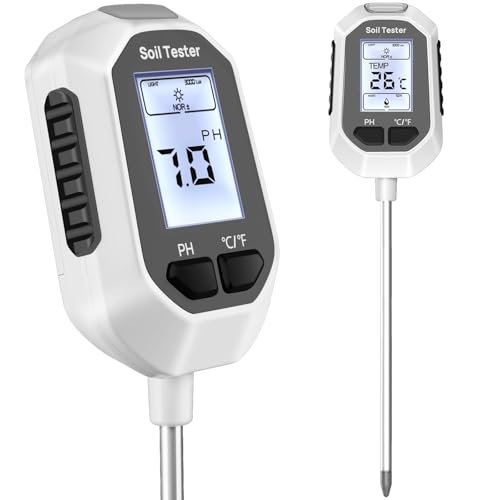
1 Immediately inspect the soil moisture and ensure the plant is not sitting in stagnant water; use a moisture meter to confirm the soil is not waterlogged.
2 Repot the plant in a well-draining, acidic medium specifically formulated for acid-loving plants to improve aeration and prevent further decay.
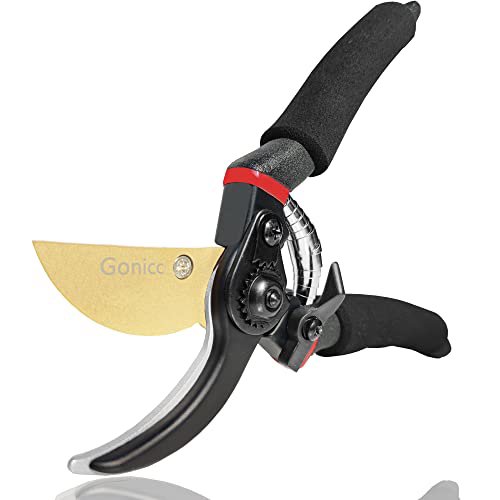
3 Prune away any mushy, blackened, or dead roots using sterilized tools to stop the spread of the Phytophthora pathogen.
error

Severe Drought Stress

Rhododendrons have shallow root systems that are highly sensitive to moisture fluctuations. Sudden leaf drop is a defense mechanism used by the plant to reduce transpiration when soil moisture levels fall below critical thresholds.

Very Common
lightbulb
How to confirm: Check the soil depth approximately 2-3 inches below the surface; if it is bone dry and pulling away from the pot edges, drought is likely.
build How to fix it
shopping_cart Recommended Products
1 Immediately check the soil moisture level at the root zone to confirm the extent of the drought stress.
2 Apply a deep, slow watering to the base of the plant to rehydrate the shallow root system, ensuring the water reaches deep into the soil.
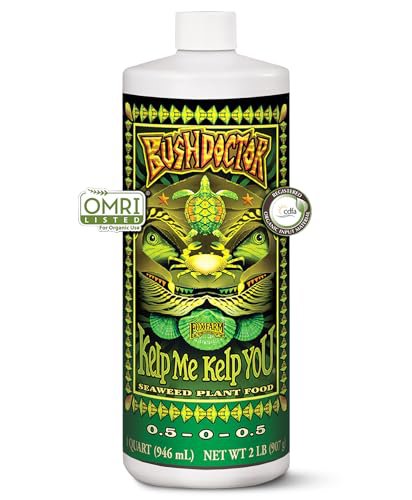
3 Apply a liquid seaweed fertilizer to help the plant recover from environmental stress and boost nutrient uptake.
warning

Temperature Shock / Frost Damage

R. Aberconwayi can experience sudden leaf drop if exposed to rapid temperature swings or late spring frosts. Sudden freezing of the leaf tissue causes cellular collapse, leading the plant to shed the damaged leaves quickly.

Common
lightbulb
How to confirm: Inspect the remaining leaves for dark, blackened patches or 'burned' edges that occurred following a cold night.
build How to fix it
shopping_cart Recommended Products
1 Immediately move the plant to a sheltered, frost-free location or bring it indoors to a stable environment to prevent further temperature fluctuations.
2 Apply a liquid seaweed fertilizer to help the plant recover from environmental stress and boost nutrient uptake.
3 Prune away any mushy or clearly dead stems using sterilized shears to prevent secondary fungal infections.
warning

Nutrient Imbalance (Specifically Magnesium Deficiency)

Rhododendrons require highly acidic soil to uptake micronutrients; if the pH rises, magnesium uptake is inhibited. While usually slower than rot, severe deficiency can cause leaves to yellow and drop prematurely.

Common
lightbulb
How to confirm: Look for interveinal chlorosis (yellowing between green veins) on older leaves before they fall.
build How to fix it
shopping_cart Recommended Products
1 Test your soil pH immediately to ensure it remains in the acidic range (4.5 to 6.0) required for Rhododendrons to absorb nutrients.
2 Apply an acid-loving fertilizer to replenish essential micronutrients and correct the magnesium deficiency.
3 Amend the soil with organic matter to improve nutrient availability and maintain acidity.

Other Rhododendron Aberconwayi problems

Your plant might also be experiencing one of these issues:

local_hospital All symptoms eco All plants with sudden leaf drop
favorite