Rhododendron alabamense Tiny Black Flies
eco Tiny Black Flies

Rhododendron alabamense – Tiny Black Flies

Why does your Rhododendron alabamense have tiny black flies? Diagnose the cause and fix it with our step-by-step guide.

search Possible Causes

error

Fungus Gnats

The tiny black flies are likely the adult stage of fungus gnats, which thrive in the moist organic matter found in Rhododendron potting media. Their larvae feed on fungal mycelia and fine feeder roots, which can lead to root damage and decreased vigor in Alabama Azaleas.

Very Common
lightbulb
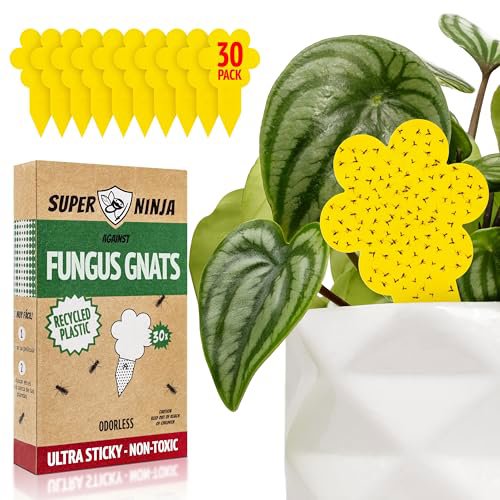
How to confirm: Set a yellow sticky trap near the soil surface to confirm the presence of flying adults.
build How to fix it
shopping_cart Recommended Products
1 Deploy yellow sticky traps to capture the adult flying gnats and disrupt their breeding cycle.
2 Allow the top inch of soil to dry out completely between waterings to eliminate the moist environment required for larvae survival.
3 Apply a biological control or organic insecticide to target the larvae in the soil and protect the delicate root system.
error

Drainage Issues / Overwatering

While not the flies themselves, chronic overwatering creates the damp, anaerobic conditions that trigger fungus gnat outbreaks. For Rhododendron alabamense, which requires well-draining acidic soil, excess moisture leads to substrate degradation and insect attraction.

Very Common
lightbulb
How to confirm: Insert your finger two inches into the soil to check if it remains saturated for long periods.
build How to fix it
shopping_cart Recommended Products
1 Reduce watering frequency and allow the top inch of soil to dry out completely to eliminate the damp environment attracting fungus gnats.
2 Apply yellow sticky traps near the soil surface to capture and remove the adult flying insects.
3 Repot the plant in a well-draining, acidic substrate enriched with perlite to improve aeration and prevent future anaerobic conditions.
warning

Soil Organic Matter Decomposition

A high concentration of decomposing peat or compost in the azalea's pot provides an ideal breeding ground and food source for small dipterans. The flies are attracted to the carbon dioxide and humidity released during the breakdown of organic nutrients.

Common
lightbulb
How to confirm: Inspect the top layer of the potting mix for a fuzzy white mold or high levels of decaying leaf litter.
build How to fix it
shopping_cart Recommended Products
1 Apply a biological control to eliminate the adult flies and larvae by disrupting their life cycle.
2 Reduce the moisture in the top layer of soil and allow it to dry out more between waterings to make the environment less hospitable for breeding.
3 Refresh the top layer of the potting medium with a cleaner substrate to remove the decomposing organic matter attracting the pests.

Other Rhododendron alabamense problems

Your plant might also be experiencing one of these issues:

local_hospital All symptoms eco All plants with tiny black flies
favorite