Rhododendron arboreum Brown Leaf Tips
eco Brown Leaf Tips

Rhododendron arboreum – Brown Leaf Tips

Why does your Rhododendron arboreum have brown leaf tips? Diagnose the cause and fix it with our step-by-step guide.

search Possible Causes

error

Salt Accumulation (Salinity Stress)

Rhododendrons are sensitive to high concentrations of salts from tap water or synthetic fertilizers. Excess sodium or chloride ions accumulate in the leaf margins, causing desiccation and characteristic brown tips.

Very Common
lightbulb
How to confirm: Check if you are using hard water or if there is a white crusty residue on the soil surface.
build How to fix it
shopping_cart Recommended Products
1 Flush the soil thoroughly with distilled or rainwater to leach accumulated salts away from the root zone.
2 Prune away the heavily browned leaf tips using sterilized shears to prevent further aesthetic decline.
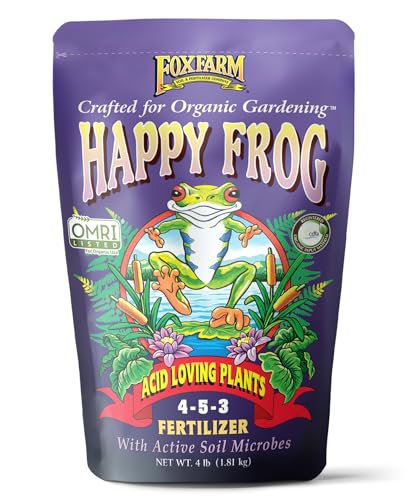
3 Switch to an acid-loving fertilizer and avoid high-salt synthetic options; consider using organic amendments like FoxFarm Cal Mag to help stabilize the plant.
error

Erratic Watering / Drought Stress

As an acid-loving evergreen, Rhododendron arboreum requires consistent moisture. If the soil dries out completely between waterings, the leaf margins lose turgor and undergo necrosis.

Very Common
lightbulb
How to confirm: Stick your finger two inches into the soil to see if it has become bone dry before the last watering.
build How to fix it
shopping_cart Recommended Products
1 Establish a consistent watering schedule to ensure the soil remains moist but not waterlogged, preventing the soil from drying out completely.
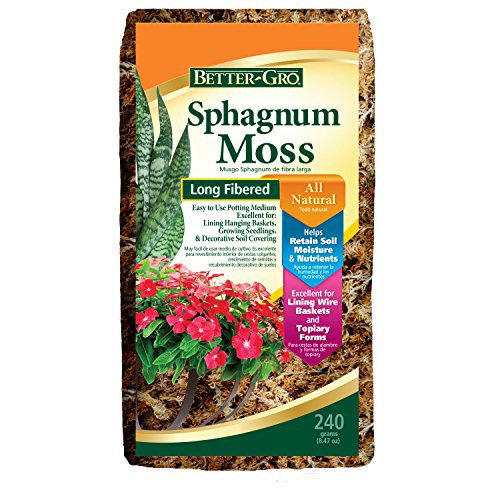
2 Apply a layer of organic mulch or sphagnum moss around the base of the plant to help retain soil moisture and regulate temperature.
3 Since Rhododendrons are acid-loving plants, ensure the soil pH remains low by using a specialized acid-loving fertilizer if needed.
warning

Root Rot (Phytophthora)

Poorly draining soil can lead to root rot, which impairs the tree's ability to transport water to the leaf extremities. This physiological drought manifests as browning tips even if the soil is wet.

Common
lightbulb
How to confirm: Examine the base of the trunk and the roots for any signs of mushy, dark, or foul-smelling tissue.
build How to fix it
shopping_cart Recommended Products
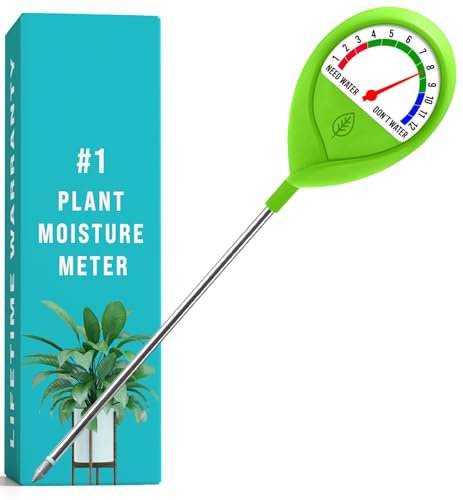
1 Immediately inspect the soil moisture levels using a meter to confirm if the root zone is waterlogged.
2 Repot the plant in a highly aerated, well-draining medium specifically formulated for acid-loving plants to prevent further rot.
3 Ensure the plant is in a container with excellent drainage and use a saucer to prevent water from pooling around the base.
warning

Nutrient Deficiency (Potassium)

A lack of potassium can disrupt the plant's osmotic regulation, making leaf edges more susceptible to environmental stress and browning.

Common
lightbulb
How to confirm: Look for a general yellowing (chlorosis) in the leaves alongside the brown tips.
build How to fix it
shopping_cart Recommended Products
1 Apply a specialized fertilizer to address the potassium deficiency and support osmotic regulation.
2 Check the soil pH and moisture levels using a meter to ensure the roots can effectively absorb nutrients.
3 Mulch the base of the plant with organic matter to help stabilize soil temperature and moisture.

Other Rhododendron arboreum problems

Your plant might also be experiencing one of these issues:

local_hospital All symptoms eco All plants with brown leaf tips
favorite