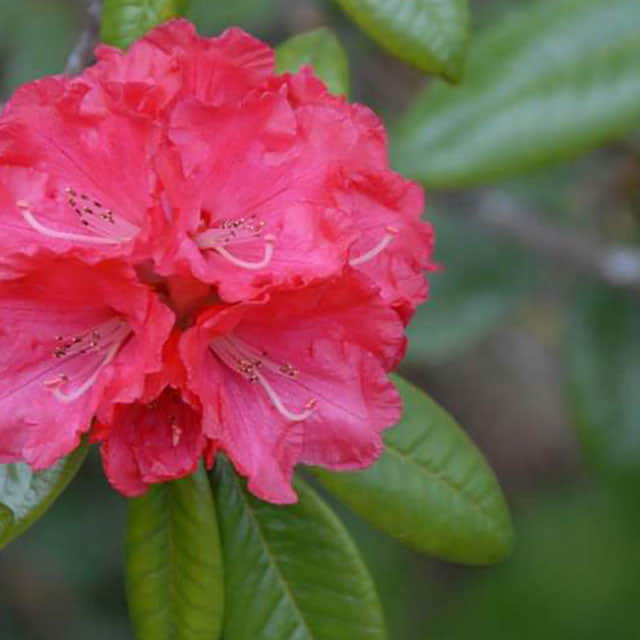
Rhododendron arboreum Drooping Leaves
eco Drooping Leaves

Rhododendron arboreum – Drooping Leaves

Why does your Rhododendron arboreum have drooping leaves? Diagnose the cause and fix it with our step-by-step guide.

search Possible Causes

error

Root Rot (Phytophthora spp.)

As a species that prefers well-drained but moist acidic soil, overwatering in heavy clay can cause Phytophthora root rot. This destroys the fine feeder roots, preventing water uptake and causing the leaves to wilt even if the soil is wet.

Very Common
lightbulb
How to confirm: Gently lift the edge of the soil to check if the roots are dark brown and slimy rather than firm and white.
build How to fix it
shopping_cart Recommended Products
1 Immediately reduce watering frequency and ensure the plant is in a highly aerated, well-draining medium to stop the spread of Phytophthora.
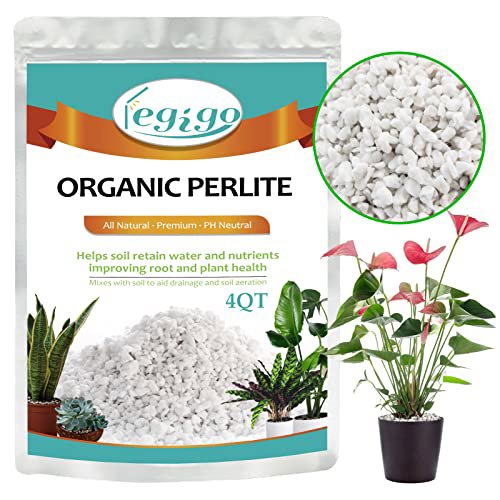
2 Repot the plant in a fresh, acidic, and well-draining mix, incorporating perlite to improve oxygen levels around the roots.
3 Prune away any mushy, blackened, or dead roots using sterilized tools to prevent further infection from spreading to healthy tissue.
error

Water Stress (Drought)

Rhododendron arboreum has large, leathery leaves with high transpiration rates. If the soil dries out completely, the tree loses turgor pressure rapidly, leading to characteristic drooping.

Very Common
lightbulb
How to confirm: Check the moisture level 2-3 inches below the soil surface; if it is bone dry, the plant needs deep watering.
build How to fix it
shopping_cart Recommended Products
1 Immediately check the soil moisture level at the root zone to confirm the extent of the drought.
2 Apply a deep, slow watering to the base of the tree to restore turgor pressure, ensuring the water reaches the deeper root system.
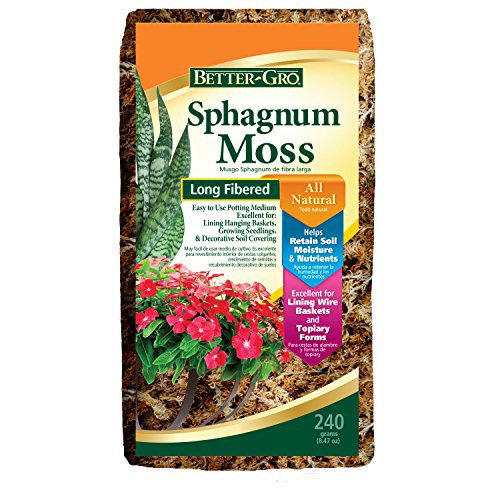
3 Apply a layer of organic mulch around the base to help retain soil moisture and prevent future rapid evaporation.
warning

Root Compaction or Poor Drainage

This tree requires high oxygen levels around its root zone. Compacted soil prevents gas exchange and limits root expansion, leading to physiological wilt symptoms throughout the canopy.

Common
lightbulb
How to confirm: Use a probe or finger to check if the soil feels hard and impenetrable to the roots.
build How to fix it
shopping_cart Recommended Products
1 Gently aerate the soil around the root zone using a hand tool to break up compaction and improve oxygen exchange.
2 Amend the existing soil with organic horticultural perlite to enhance drainage and prevent future waterlogging.
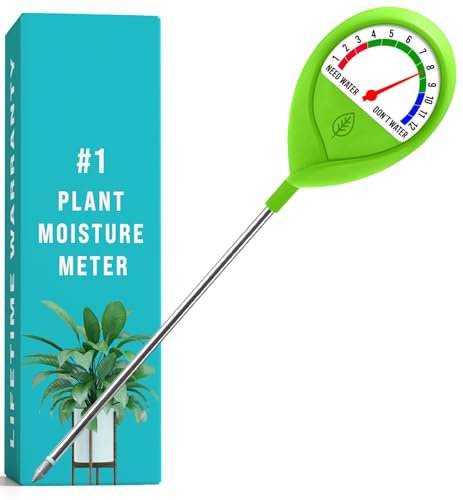
3 Monitor soil moisture levels closely with a moisture meter to ensure the soil is not staying saturated, which exacerbates root rot.
warning

Foliar Fungal Pathogens (e.g., Phytophthora ramorum)

Certain fungal pathogens specifically target Rhododendron species, causing leaf wilt and eventual dieback of the branches. This is often accompanied by dark spots or lesions on the foliage.

Common
lightbulb
How to confirm: Inspect the undersides of the drooping leaves for any signs of dark spotting or fungal growth.
build How to fix it
shopping_cart Recommended Products
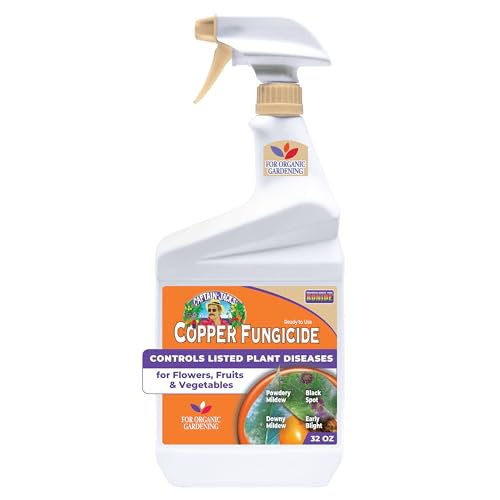
1 Apply an organic fungicide to the foliage to combat the fungal pathogens and prevent the spread of lesions.
2 Prune away any heavily infected or dead branches using sterilized tools to prevent the pathogen from moving into healthy tissue.
3 Ensure the plant is in well-draining soil and avoid overhead watering to reduce the moisture that fungal pathogens thrive in.

Other Rhododendron arboreum problems

Your plant might also be experiencing one of these issues:

local_hospital All symptoms eco All plants with drooping leaves
favorite