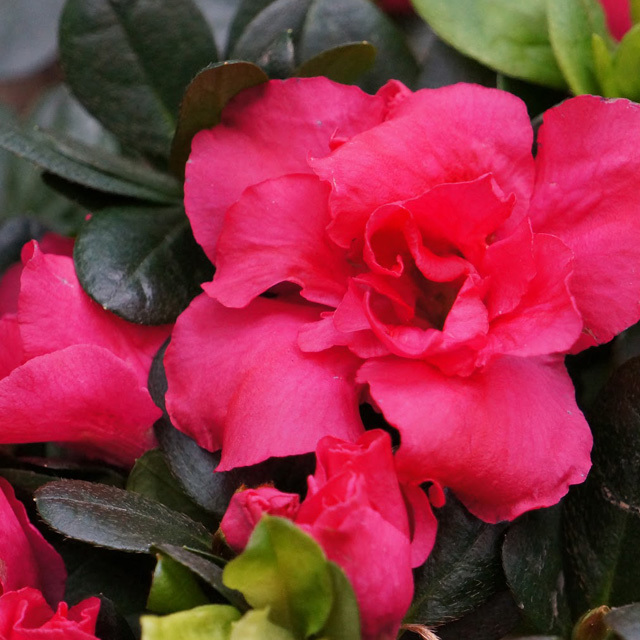
Rhododendron hybridum hot Drooping Leaves
eco Drooping Leaves

Rhododendron hybridum hot – Drooping Leaves

Why does your Rhododendron hybridum hot have drooping leaves? Diagnose the cause and fix it with our step-by-step guide.

search Possible Causes

error

Water Stress (Drought or Root Desiccation)

Rhododendrons have shallow, fibrous root systems that are highly sensitive to drying out. When the soil moisture drops below a critical threshold, the plant cannot maintain turgor pressure, leading to immediate wilting.

Very Common
lightbulb
How to confirm: Stick your finger 2 inches into the soil to check if it feels dry and crispy.
build How to fix it
shopping_cart Recommended Products
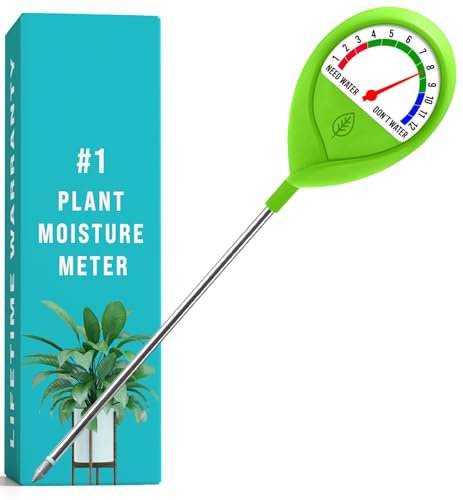
1 Immediately check the soil moisture level at the root zone to confirm the extent of the drought stress.
2 Apply a deep, slow watering to the base of the plant to ensure the shallow, fibrous root system is fully rehydrated.
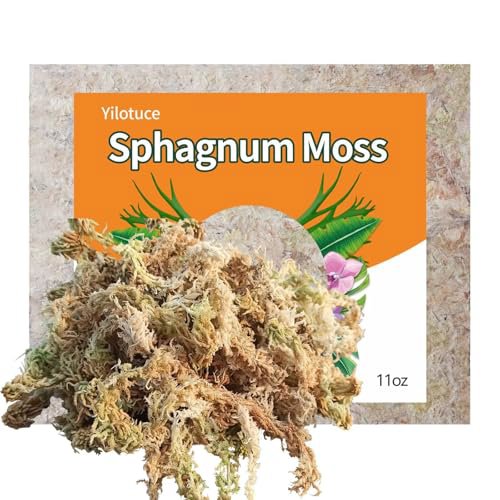
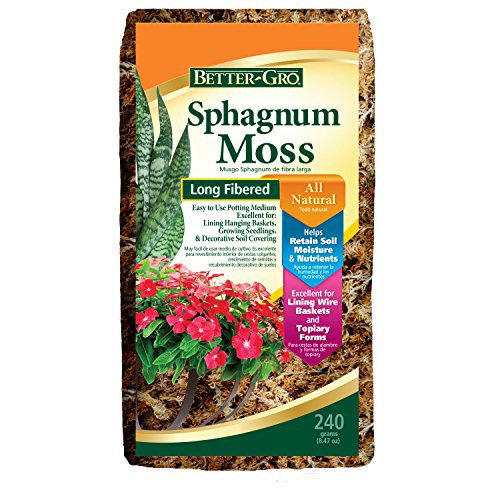
3 Apply a layer of organic mulch or sphagnum moss around the base to help retain soil moisture and prevent future desiccation.
error

Phytophthora Root Rot

Overwatering or poor drainage in acidic soils creates anaerobic conditions that favor Phytophthora species. This pathogen destroys the fine feeder roots, preventing water uptake and causing the leaves to droop even if the soil is wet.

Very Common
lightbulb
How to confirm: Examine the base of the stems for dark, water-soaked lesions or mushy roots.
build How to fix it
shopping_cart Recommended Products
1 Immediately reduce watering frequency and ensure the plant is in a well-draining environment to eliminate the anaerobic conditions favoring the pathogen.
2 Repot the plant in a highly aerated, acidic medium and consider adding perlite to improve drainage and prevent future waterlogging.
3 Prune away any mushy, darkened roots and treat the soil with a fungicide if necessary to manage the spread of Phytophthora.
warning

Temperature Stress (Heat Scorch)

Extreme heat or sudden temperature spikes cause rapid transpiration that exceeds the plant's ability to pull water from the soil. This is common in 'hot' hybrids during mid-day sun exposure.

Common
lightbulb
How to confirm: Check if the drooping occurs primarily during the hottest part of the day and recovers at night.
build How to fix it
shopping_cart Recommended Products
1 Move the plant to a shaded area or provide temporary afternoon shade to reduce direct solar radiation and lower leaf temperature.
2 Check the soil moisture levels to ensure the plant is not experiencing drought alongside the heat stress.
3 Apply a mulch layer around the base of the plant to help regulate soil temperature and retain moisture.
warning

Nutrient Deficiency (Iron Chlorosis)

In soils with a pH that is too high (alkaline), Rhododendrons cannot absorb iron. While primarily causing yellowing, severe deficiency can weaken the plant's vascular system and lead to structural drooping.

Common
lightbulb
How to confirm: Look for yellow leaves with distinct green veins (interveinal chlorosis) alongside the wilting.
build How to fix it
shopping_cart Recommended Products
1 Lower the soil pH by applying an acidifying fertilizer specifically designed for acid-loving plants to ensure iron availability.
2 Monitor the soil moisture levels using a moisture meter to ensure the plant is not also suffering from drought stress, which can exacerbate drooping.
3 Check the soil for alkalinity and consider adding organic matter like sphagnum moss to help maintain a lower pH environment.

Other Rhododendron hybridum hot problems

Your plant might also be experiencing one of these issues:

local_hospital All symptoms eco All plants with drooping leaves
favorite