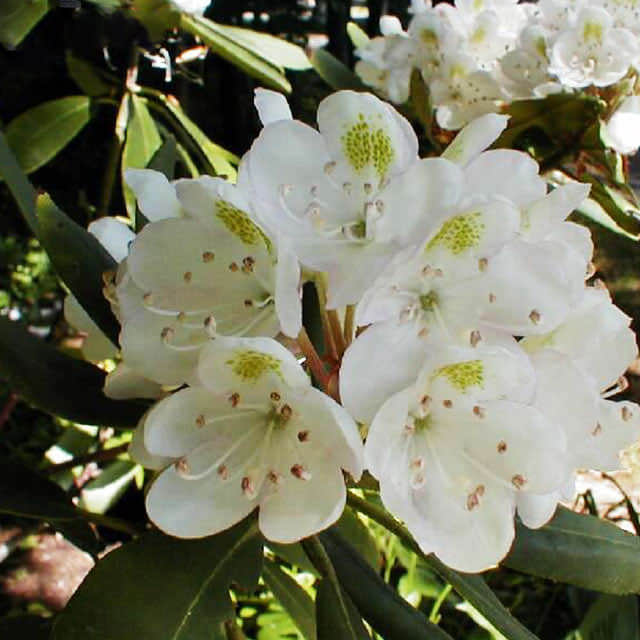
Rhododendron maximum Drooping Leaves
eco Drooping Leaves

Rhododendron maximum – Drooping Leaves

Why does your Rhododendron maximum have drooping leaves? Diagnose the cause and fix it with our step-by-step guide.

search Possible Causes

error

Phytophthora Root Rot

This soil-borne oomycete is common in the acidic, poorly drained soils that Rhododendron maximum prefers. The pathogen attacks the root system, disrupting water transport and causing sudden leaf drooping even when soil moisture seems adequate.

Very Common
lightbulb
How to confirm: Inspect the base of the stem for dark, water-soaked lesions and check if the roots are brown and mushy instead of firm and white.
build How to fix it
shopping_cart Recommended Products
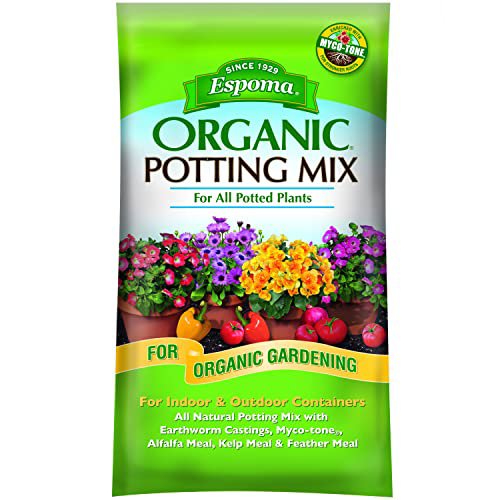
1 Immediately improve soil drainage by repotting the plant in a highly aerated, acidic medium and ensure the container has adequate drainage holes.
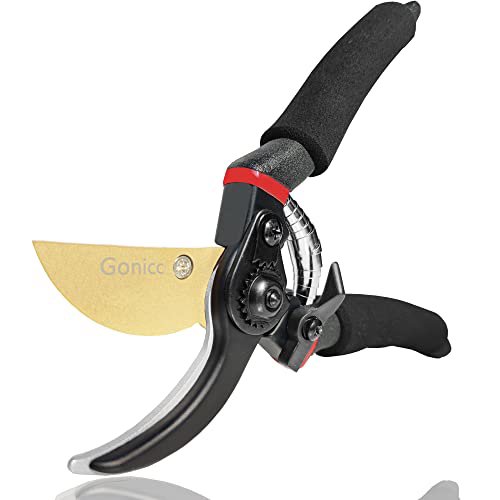
2 Prune away any mushy, darkened, or dead roots using sterilized tools to prevent the pathogen from spreading further through the root system.
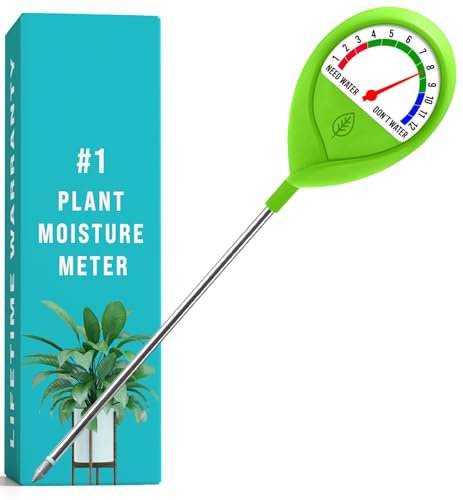
3 Monitor soil moisture levels closely with a meter to ensure the soil is not staying waterlogged, which facilitates the spread of Phytophthora.
error

Water Stress (Drought)

As an understory species, Great Laurel relies on consistent humidity and soil moisture. Prolonged dry periods cause the large, leathery leaves to lose turgor pressure, leading to visible drooping.

Very Common
lightbulb
How to confirm: Check the depth of the soil moisture; if the top 2 inches are bone dry, the plant is likely experiencing drought stress.
build How to fix it
shopping_cart Recommended Products
1 Immediately check the soil moisture level at the root zone to confirm the depth of the drought.
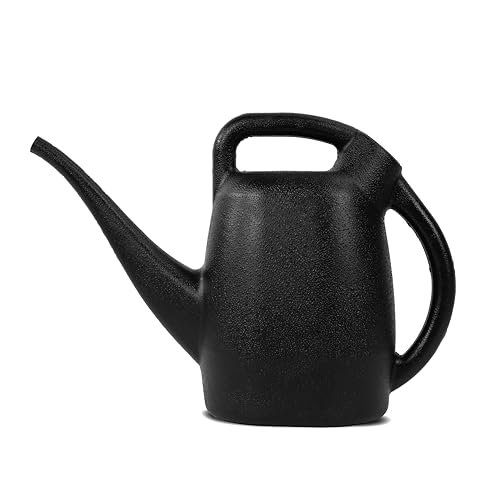
2 Apply a deep, slow watering to the base of the plant to ensure the moisture reaches the deep root system.
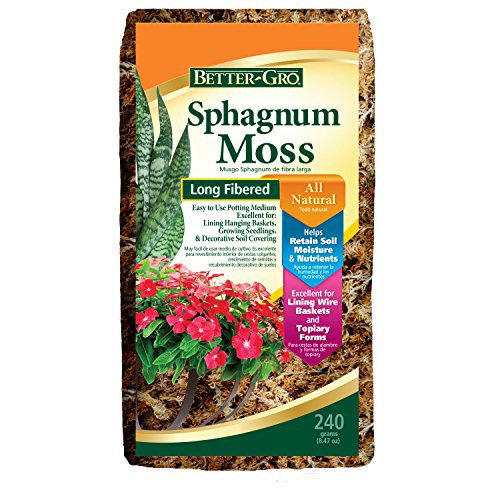
3 Apply a layer of organic mulch or sphagnum moss around the base to help retain soil moisture and regulate temperature.
warning

Root Desiccation from Planting Depth

If the crown of the Rhododendron maximum was planted too deep in the soil, the stem tissue can suffocate and rot, or if too shallow, the roots may dry out quickly. This disrupts the vascular system's ability to lift water to the leaves.

Common
lightbulb
How to confirm: Examine the root flare at the soil line to ensure it is slightly above the soil level and not buried deep under mulch.
build How to fix it
shopping_cart Recommended Products
1 Check the soil moisture level around the root zone using a moisture meter to determine if the roots are drying out or if the soil is waterlogged.
2 Gently adjust the planting depth to ensure the crown is level with the soil surface, and apply a layer of organic mulch to help retain moisture and prevent further desiccation.
3 Apply a liquid seaweed fertilizer to help the plant recover from environmental stress and boost nutrient uptake during the recovery process.
warning

Foliar Anthracnose

Certain fungal pathogens like Anthracnose can cause leaf wilting and drooping, often accompanied by dark spots or necrotic patches on the leaf margins.

Common
lightbulb
How to confirm: Look for small, dark, sunken spots on the leaves in addition to the drooping symptom.
build How to fix it
shopping_cart Recommended Products
1 Apply an organic fungicide to the foliage to control the spread of the Anthracnose pathogen and protect healthy leaves.
2 Prune and dispose of any heavily infected or necrotic leaves to prevent fungal spores from spreading to healthy parts of the plant.
3 Improve air circulation around the plant and avoid overhead watering to reduce the humidity that promotes fungal growth.

Other Rhododendron maximum problems

Your plant might also be experiencing one of these issues:

local_hospital All symptoms eco All plants with drooping leaves
favorite